
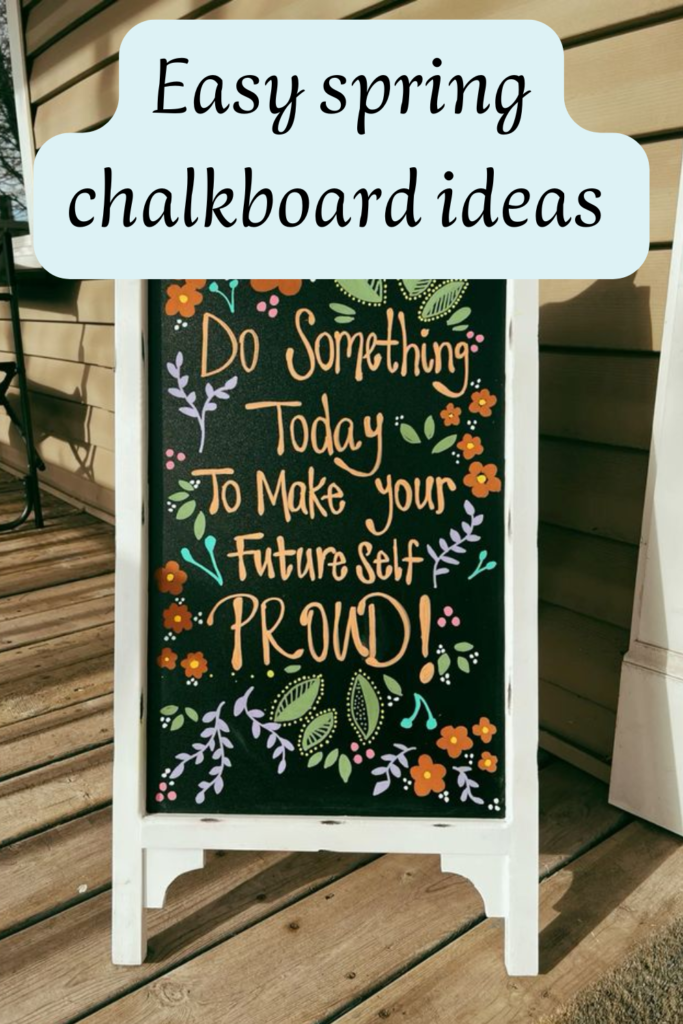
Spring is the perfect time to refresh your home with light, cheerful decor. If you’re looking for a simple and affordable way to add seasonal charm, these easy spring chalkboard ideas will instantly brighten your space. From floral designs to uplifting quotes, there’s something here for every style and skill level.
The beauty of chalkboard art is that it’s completely temporary — which means you can change it as often as the season does. Whether you’re decorating your kitchen, entryway, or living room, spring chalkboard ideas give you the freedom to express creativity without any long-term commitment.
And the best part? You don’t need to be an artist. With the right supplies and a little inspiration, anyone can create stunning spring chalkboards that look like they belong on Pinterest.
Why Choose Chalkboard Decor for Spring?
When it comes to seasonal home decorating, chalkboard art sits in a sweet spot: it’s creative, customizable, and surprisingly budget-friendly. Here’s why it’s one of the best spring home decor ideas you can try this year.
Budget-friendly: A basic chalkboard, a few chalk markers, and a stencil set will cost you less than most seasonal decor items — and you can reuse them endlessly across every season.
Easy to change: Unlike wall stickers or painted murals, chalkboard art wipes clean in seconds. You can swap out a winter design for a springtime chalkboard idea in under five minutes.
Infinitely creative: From farmhouse rustic to modern minimalist, chalkboard art adapts to any aesthetic. You control the fonts, the florals, the colors, and the vibe — every single time.
Essential Supplies for Spring Chalkboard Designs
Before you start creating, gather these core supplies to set yourself up for success:
- Chalk markers: These give cleaner, more precise lines than traditional chalk and come in beautiful pastel colors perfect for spring.
- White chalk pencils: Ideal for fine details like delicate flowers or thin lettering.
- Stencils: A game-changer for beginners — floral stencils and brush lettering stencils make designs look professional with minimal effort.
- A quality eraser or damp cloth: For correcting mistakes and cleaning the board between designs.
- Liquid chalk pens: Great for bold outlines and high-contrast designs.
- A chalkboard surface: This can be a traditional framed board, a chalkboard-painted wall, or even a chalkboard contact paper panel.
Investing in chalk markers over traditional chalk sticks will noticeably elevate the quality of your spring chalkboard artwork right from the start.
Easy Spring Chalkboard Ideas to Try
Floral Chalkboard Designs
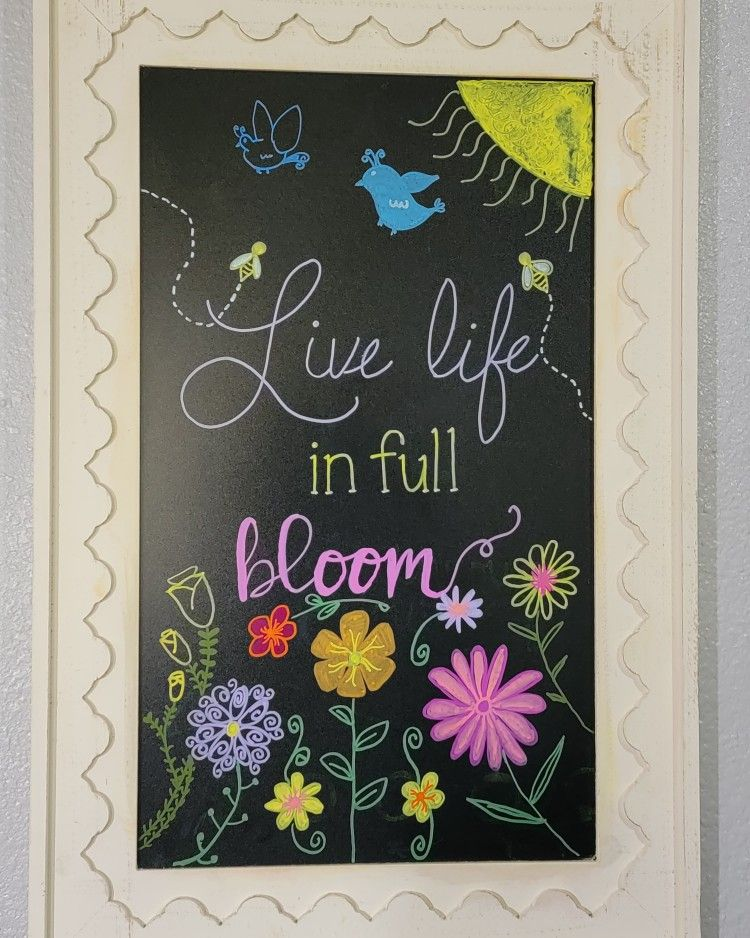
Flowers are the heartbeat of spring, and they translate beautifully onto chalkboard surfaces. Think loose, hand-drawn tulips, peonies, and wildflowers scattered around a central quote or phrase. Botanical patterns — branches, leaves, and ferns — add an elegant, organic touch without requiring advanced drawing skills. Even simple circular wreaths filled with blooms make a stunning focal point. For a softer look, stick to pastel chalk colors like blush pink, lavender, and sage green.
Spring Quotes & Lettering Ideas
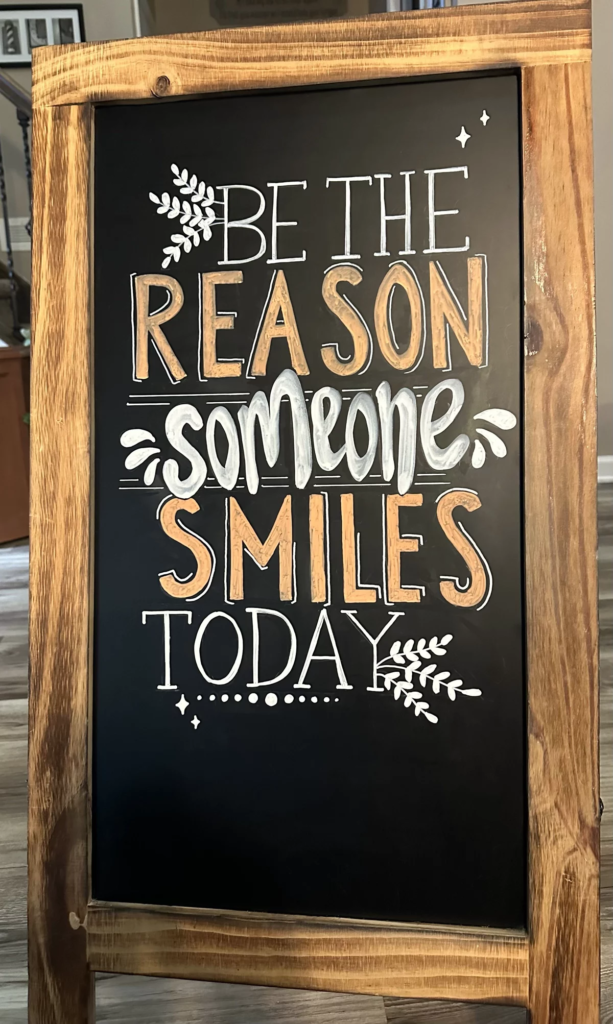
Words carry enormous decorating power. Short, uplifting phrases like “Hello Spring”, “Bloom Where You’re Planted”, or “Fresh Starts” look gorgeous in a mix of brush lettering and printed fonts. The key is contrast — pair a flowing script with a bold, clean uppercase font to add visual interest. Avoid cramming too much text; white space is your best friend in chalkboard lettering.
Farmhouse Style Chalkboard Ideas
Rustic and cozy, the farmhouse aesthetic pairs naturally with chalkboard art. Think chunky serif fonts, hand-drawn wreaths made of eucalyptus and cotton stems, and earthy seasonal greetings. A simple “Welcome Spring” framed by a botanical wreath on a large farmhouse-style board instantly transforms an entryway or kitchen wall into something warm and inviting.
Minimalist Spring Chalkboard Designs
Less is genuinely more here. A single botanical illustration — one branch, one flower, one leaf — centered on a clean board with a short phrase in thin lettering creates a modern, gallery-worthy look. This style works beautifully in contemporary homes where simplicity and negative space are valued design elements.
Kitchen & Entryway Chalkboard Ideas
These two spaces are ideal for functional-yet-decorative chalkboard art. In the kitchen, combine practical elements (a weekly menu, a grocery reminder) with spring floral borders. In the entryway, a welcoming seasonal message surrounded by illustrated flowers sets a lovely tone the moment guests walk in. Springtime chalkboard ideas for these high-traffic spaces should be bold enough to read at a glance but beautiful enough to admire up close.
How to Create a Simple Spring Chalkboard Design
This step-by-step process works for beginners and experienced artists alike.
Step 1 — Clean the board: Wipe your chalkboard surface with a damp cloth and let it dry completely. If it’s a new board, “season” it by rubbing the side of a piece of chalk across the entire surface and erasing it — this prevents ghosting.
Step 2 — Sketch your design lightly: Use a chalk pencil or the edge of regular chalk to sketch the layout before committing. Place your main text in the center, then map out where decorative elements (florals, borders) will go.
Step 3 — Add your lettering: Start with the largest text first. Use a stencil if needed. Write slowly and confidently — hesitation creates shaky lines. Let each layer dry before adding details on top.
Step 4 — Decorate with floral elements: Add your botanical accents last. Work outward from the lettering, filling negative space naturally. Vary flower sizes — large blooms, medium buds, and tiny detail leaves — for a layered, professional look.
Step 5 — Review and refine: Step back and evaluate the overall balance. Erase and adjust anything that feels off. Add small details — dots, tiny stars, thin flourishes — to polish the final design.
Tips to Make Your Chalkboard Look Aesthetic
Getting the technical basics right makes all the difference between amateur and polished results.
Use contrast intentionally: White on black is classic, but adding one or two chalk marker colors — a dusty rose, a soft green — creates depth and visual warmth.
Keep spacing balanced: Crowded designs feel chaotic. Aim for deliberate breathing room between your text and decorative elements.
Mix fonts thoughtfully: Combining two complementary font styles (one script, one print) adds sophistication. Stick to two fonts maximum per design to avoid visual noise.
Work in layers: Build your design from background to foreground. Large shapes first, fine details last.
Photograph in natural light: If you’re sharing your spring chalkboards online, photograph them near a window during daylight for the most flattering results.
Save These Spring Chalkboard Ideas for Later
Pinterest is the natural home for chalkboard art inspiration, and your designs deserve to be there. When photographing your work for sharing, shoot vertically (portrait orientation) to match Pinterest’s preferred image ratio of roughly 2:3. Use natural lighting, a clean background, and consider adding a few real spring props — a small vase of flowers, a linen cloth — to style the shot beautifully.
Pin your favorite springtime chalkboard ideas to a dedicated seasonal board so you can revisit them year after year, and don’t forget to save ideas from other creators that inspire you.
Frequently Asked Questions
What chalk is best for chalkboard art? Chalk markers (also called liquid chalk pens) are the top choice for clean, vibrant designs. They offer precision and bold color. For softer, more blended effects, traditional chalk sticks or chalk pastels work well.
How do you make chalk art last longer? Once your design is complete and fully dry, lightly mist it with hairspray or a chalkboard sealer spray from a distance of about 12 inches. This significantly extends the life of the design without smearing.
Can beginners create chalkboard designs? Absolutely. Start with stencils and simple lettering — even basic text surrounded by a hand-drawn floral border looks impressive. The key is practice and not being afraid to erase and try again.
How do I prevent ghosting on my chalkboard? Always season a new board before first use (see the tutorial above). Ghosting — faint outlines of previous designs — is much less likely on a properly conditioned surface.