

Wooden cornices for windows are one of those design details that quietly do everything — they hide curtain hardware, frame a view, and add a layer of polish that elevates an entire room. Whether you’re renovating a farmhouse kitchen or refreshing a minimalist apartment, a well-chosen wooden cornice can be the finishing touch you didn’t know you were missing.
Over the past few years, wooden window cornices have surged back into interior design conversations — and for good reason. They blend function with form in a way few other window treatments can match. In this guide, we’ll walk through 10 beautiful wooden cornice ideas, from sleek modern boards to richly carved statement pieces, plus tips on choosing the right style and installing it like a pro.
1. Modern Minimalist Wooden Cornice
The minimalist cornice strips window dressing back to its essential geometry — a clean, flat board with sharp lines and no ornamentation. It sits flush with the wall, creating a seamless horizontal accent above the window.
Why it works: This style thrives in contemporary interiors because it doesn’t compete with other design elements. The absence of decoration is itself a design choice — deliberate, confident, calm. It makes a room feel ordered and intentional.
Best for: Living rooms, home offices, and small spaces where visual clutter would shrink the room further.
Pro tip: Opt for neutral finishes — white, soft beige, or light natural wood. Painting it the same shade as your trim or ceiling makes the cornice “disappear” while still adding structure.
2. Rustic Farmhouse Wooden Cornice
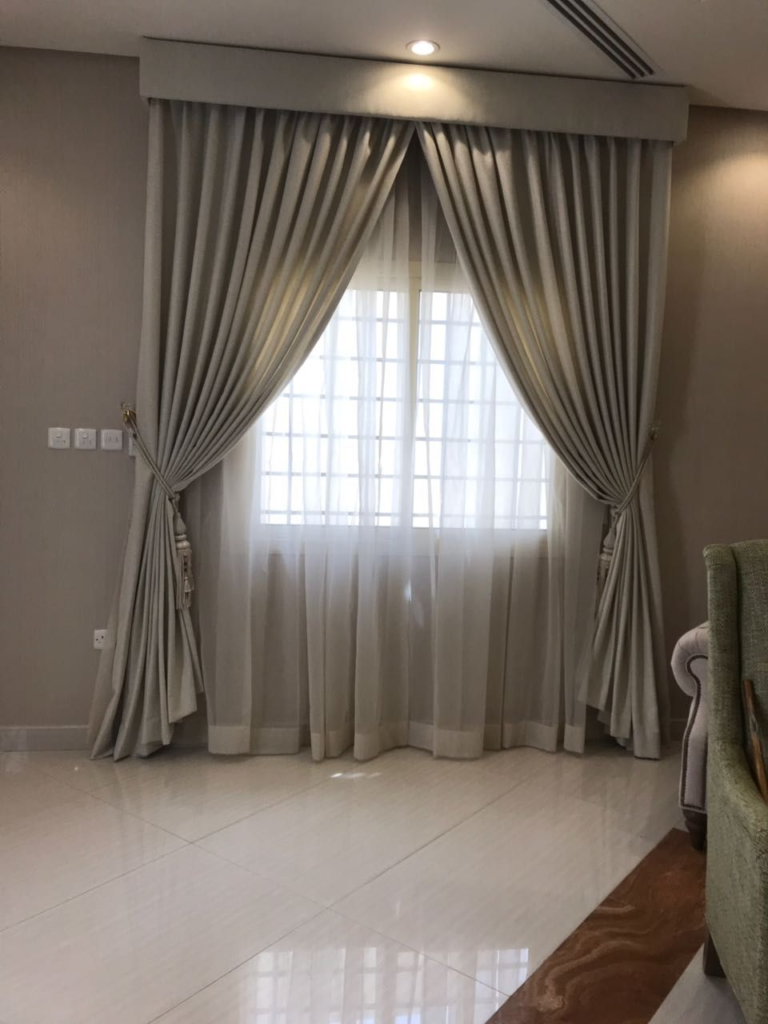
Farmhouse style embraces imperfection. A rustic wooden window cornice works best with reclaimed or whitewashed timber, visible grain, and a slightly weathered finish that tells a story.
Why it works: The warmth of natural wood pairs beautifully with linen curtains, shiplap walls, and vintage hardware. It anchors the window in a way that feels lived-in and welcoming.
Best for: Kitchens, dining rooms, and mudrooms with a country or cottage aesthetic.
Pro tip: Leave knots and grain patterns exposed — they’re features, not flaws in this style.
3. Classic Crown Molding Cornice
This style borrows from traditional millwork, mimicking the profile of crown molding with layered edges and gentle curves. It’s a nod to classical architecture rendered at the window scale.
Why it works: Crown molding cornices add gravitas and formality, making them a natural fit for rooms with high ceilings, period architecture, or traditional furniture.
Best for: Formal living rooms, dining rooms, studies, and Victorian or Georgian-style homes.
Pro tip: Match the cornice profile to any existing crown molding in the room for a cohesive, built-in look.
4. Painted Wooden Cornice
A painted finish completely transforms the character of a wooden cornice board. Bold colors make it a focal point; soft pastels keep it subtle. Either way, paint lets you coordinate with your palette precisely.
Why it works: Paint bridges the gap between wooden construction and a fabric-like softness. A sage green or dusty blue cornice can feel as intentional as a patterned valance — without the fuss of upholstery.
Best for: Children’s rooms, eclectic interiors, and spaces where you want to introduce color at the window without overwhelming the room.
Pro tip: Use a satin or semi-gloss finish so the surface is easy to wipe clean and holds color well over time.
5. Carved Decorative Cornice
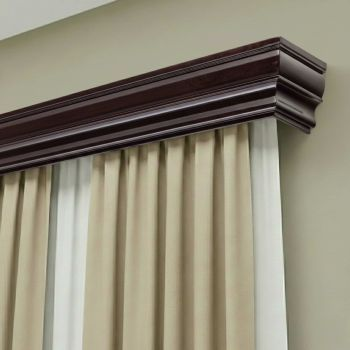
For rooms that call for drama, a carved wooden cornice delivers it. Floral motifs, scrollwork, geometric fretwork — this style turns functional trim into sculptural art.
Why it works: Carving adds depth and shadow that changes throughout the day as light shifts. It rewards a slow look and brings a craftsmanship quality that no mass-produced treatment can replicate.
Best for: Master bedrooms, formal dining rooms, and heritage-style interiors.
Pro tip: A single carved cornice over a focal window is often more impactful than applying the style across every window in the room.
6. Floating Wooden Cornice
A floating cornice is mounted slightly away from the wall, creating a shadow gap that makes it appear to hover. This subtle architectural trick adds dimension without bulk.
Why it works: The floating detail gives the cornice a modern, gallery-like quality. It looks deliberate and refined — the kind of detail architects use to make a space feel crafted rather than assembled.
Best for: Contemporary and Scandinavian interiors, and any room where you want visual interest without ornamentation.
Pro tip: Use LED strip lighting inside the shadow gap for a dramatic ambient effect in the evening.
7. Dark Stained Wooden Cornice
A deep walnut, ebony, or espresso stain makes a wooden cornice board feel grounded and sophisticated. It draws the eye upward and frames the window like a picture frame.
Why it works: Dark wood adds contrast and weight, anchoring a window without the visual softness of fabric. It works especially well against light walls, where the contrast creates a strong architectural statement.
Best for: Moody reading rooms, masculine home offices, and mid-century modern interiors.
Pro tip: Balance dark cornices with lighter curtain panels so the window doesn’t feel heavy.
8. Layered Cornice with Curtains
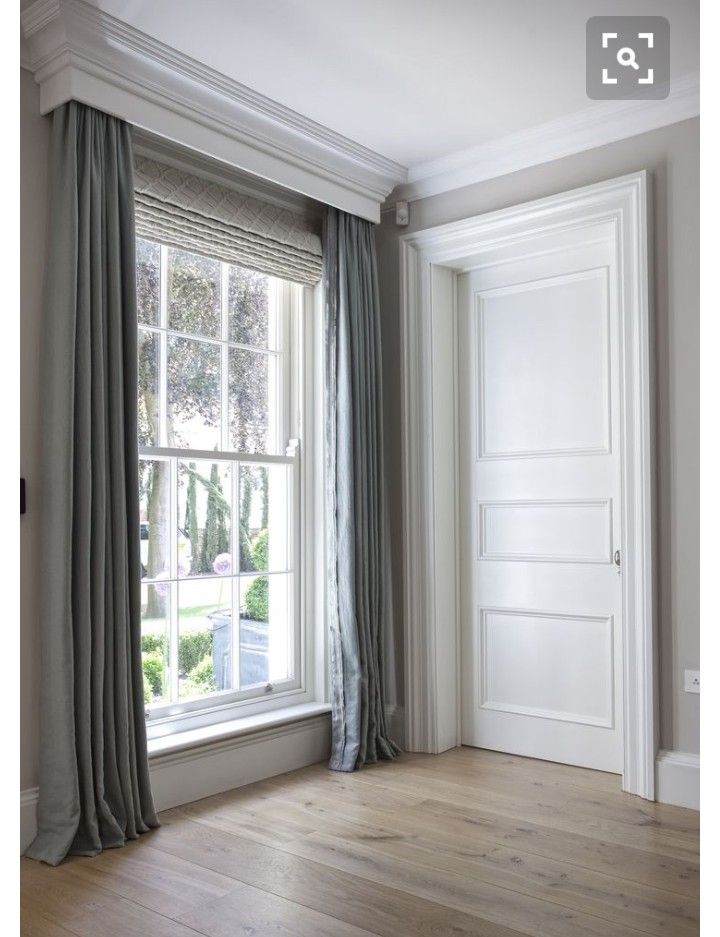
Pairing a wooden cornice valance with floor-length curtains creates a layered, curated look that feels both polished and luxurious. The cornice hides the rod; the curtains do the drama.
Why it works: The combination gives you light control, texture, and structure in one treatment. The wooden frame gives the soft curtain fabric a strong top edge, making the whole arrangement feel purposeful.
Best for: Bedrooms, living rooms, and any window you want to make feel like a design centerpiece.
Pro tip: Use a cornice that extends 15–20 cm beyond the window frame on each side. This visually widens the window and lets more light in when the curtains are open.
9. DIY Wooden Cornice Board
A basic wooden cornice is one of the most accessible DIY window treatments. With a sheet of MDF or plywood, a few lengths of trim, paint or fabric, and basic tools, you can build one in an afternoon.
Why it works: DIY cornices are endlessly customizable and far cheaper than custom-made options. They also give you the satisfaction of a handmade detail that fits your window perfectly.
Best for: Budget-conscious renovators, renters who want to leave a mark, and design lovers who enjoy a weekend project.
Pro tip: Wrap your cornice board in fabric instead of painting it for an upholstered look — no sewing required, just a staple gun and patience.
10. Luxury Wide Wooden Cornice
Wide cornices — extending the full width of large windows or even spanning an entire wall — make a bold architectural statement. Think grand proportions, rich materials, and careful joinery.
Why it works: The scale commands attention. A wide wooden cornice above a bank of windows transforms what might be a plain wall of glass into something that looks designed from the ground up.
Best for: Open-plan living areas, large bay windows, and high-end residential interiors where window treatments are part of the architecture, not an afterthought.
Pro tip: For very wide cornices, use a solid hardwood or veneered MDF to prevent warping over time.
How to Choose the Right Wooden Cornice
Match your interior style. Start by identifying your room’s dominant aesthetic — contemporary, farmhouse, traditional, eclectic — and choose a cornice profile and finish that belongs in that world. A carved cornice in a minimalist room creates friction; a plain board in a maximalist room disappears.
Measure your window width carefully. As a general rule, your cornice should extend 8–15 cm beyond the window frame on each side. This covers the curtain stack and makes the window look wider. Height is typically 15–30 cm, depending on ceiling height and proportion.
Choose the right wood finish. Paint for maximum colour control, stain for natural warmth, or clear lacquer to let the grain speak. Consider the other wood tones in the room — floors, furniture, doors — and either match them or contrast deliberately.
Consider ceiling height. In rooms with standard 2.4 m ceilings, keep cornices slim and mount them close to the ceiling. Higher ceilings can support deeper, more elaborate designs without feeling oppressive.
Styling Tips for Wooden Cornices
- Pair with the right window treatment. Wooden cornices look excellent above sheer panels, linen drapes, Roman shades, and roller blinds. The cornice provides the structure; the treatment below provides texture and light control.
- Coordinate colours with furniture. A cornice painted to match your shelving or trim creates a sense of intentional cohesion that makes a room feel designed rather than decorated.
- Mount higher to make windows look bigger. Placing the cornice 10–20 cm above the actual window frame — or even close to the ceiling — draws the eye up and exaggerates window height significantly.
FAQs
What is a wooden cornice for windows? A wooden cornice is a decorative box or board mounted above a window to conceal the curtain rod and hardware. It adds architectural definition to the window and can be finished in paint, stain, or fabric to suit any interior style.
Are wooden cornices still in style? Absolutely. Wooden window cornices are thriving in both modern and farmhouse interiors. Their appeal lies in their versatility — they can be as simple or as ornate as the room demands, making them relevant across virtually every design trend.
Can I make a DIY wooden cornice? Yes. A basic cornice board requires only MDF or plywood, some decorative trim, paint or fabric, and a staple gun. Many tutorials are available and the project suits a beginner DIYer with a few hours available on a weekend.
How high should a window cornice be placed? Typically 10–15 cm above the window frame, though mounting it higher — up to the ceiling line — is a popular trick for making windows and ceilings appear taller than they are.