
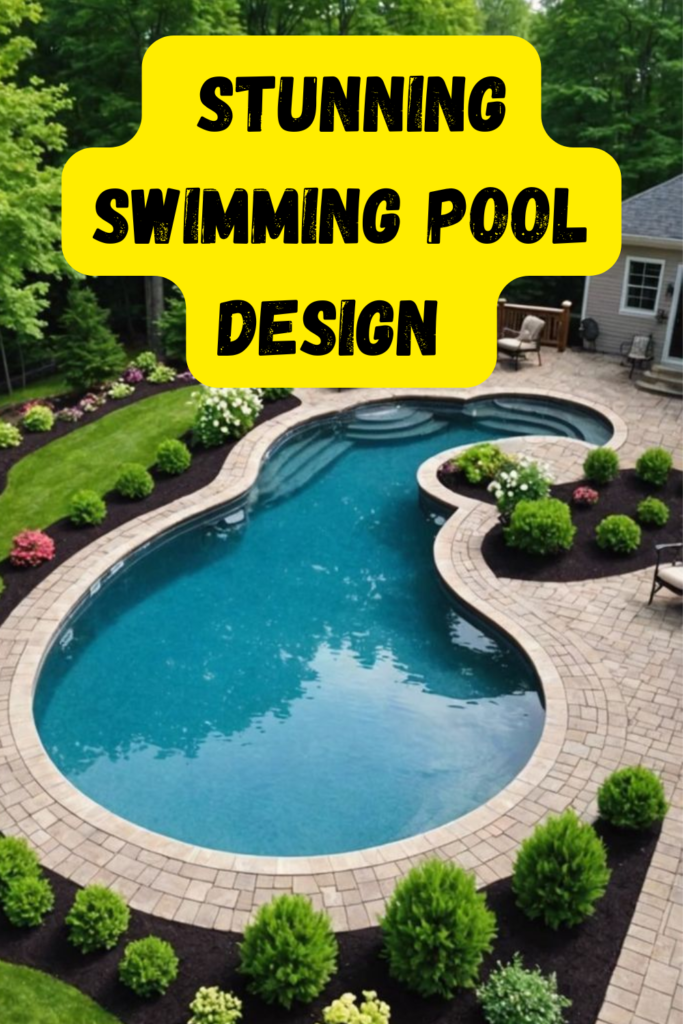
Transform your backyard into a luxurious oasis with the right swimming pool design ideas — because a pool isn’t just a place to cool off, it’s the centerpiece of your outdoor living space. Whether you’re dreaming of a sleek modern lap pool, a resort-style infinity edge with cascading waterfalls, or even a swimming pool inside house for year-round enjoyment, the options available today are more creative and accessible than ever. In this guide, we’ll walk you through the most inspiring designs, materials, landscaping tips, safety considerations, and frequently asked questions — everything you need to design the perfect aquatic retreat for your home.
1. Modern Swimming Pool Designs
Contemporary pool design is defined by clean geometry, minimalist aesthetics, and seamless integration with the surrounding architecture. Think sharp rectangular forms, frameless glass fencing, and a muted color palette of charcoal, slate, or crisp white. Modern pools often feature wet-edge finishes, integrated spa sections, and smart automation systems that control water temperature, jets, and lighting from your phone.
The material you choose will significantly shape both the look and the long-term cost of your pool.
Concrete Pools
Concrete (or gunite/shotcrete) pools are the gold standard for customization. They can be sculpted into virtually any shape — freeform lagoon, geometric rectangle, or an L-shaped design that wraps around your outdoor kitchen. Concrete is extremely durable and allows for tile inlays, mosaic patterns, and textured finishes. The trade-off is a longer construction timeline (typically 3–6 months) and a higher upfront cost. Expect to budget $50,000–$100,000+ depending on size and features.
Fiberglass Pools
Fiberglass shells are manufactured off-site and lowered into your yard in a single day, dramatically cutting installation time. Their non-porous surface resists algae growth, which means lower chemical usage and easier upkeep. While the selection of shapes is more limited than concrete, modern manufacturers now offer dozens of elegant pre-designed models suited for backyard pool design. A typical fiberglass pool runs $45,000–$85,000 installed.
Vinyl Liner Pools
Vinyl liner pools are the most budget-friendly option, with installation costs often ranging from $35,000–$65,000. A flexible vinyl liner sits inside a steel or polymer frame and can be printed in a wide variety of patterns — stone effects, blue tiles, or sandy gradients. Liners do need replacement every 8–12 years, but for homeowners prioritizing upfront affordability, they offer excellent value.
2. Small Backyard Pool Ideas
Limited outdoor space doesn’t mean you have to sacrifice the dream of a private pool. With thoughtful planning, even a compact yard can accommodate a stunning aquatic feature.
Plunge pools are among the most popular solutions for tight spaces — typically 10 to 15 feet long and 6 to 8 feet wide, they’re deep enough to submerge and cool down but don’t dominate the yard. Pair them with a built-in bench or hydrotherapy jets to maximize functionality in minimal square footage.
Cocktail pools (also called spools — a pool/spa hybrid) are another smart option. They typically measure 12 by 14 feet and combine the fun of a pool with the therapeutic benefits of a spa, making them ideal for entertaining.
For narrow yards, lap pools in a long, slim configuration (8 feet wide by 40+ feet long) make creative use of the lengthwise space. Installing a counter-current swim jet means you can exercise in a pool half the traditional size.
Design tips for small backyard pool design include:
- Using large-format tile or coping to make the area feel more expansive
- Choosing light-colored plaster finishes to reflect sunlight and visually enlarge the water
- Incorporating vertical landscaping (climbing plants, tall ornamental grasses) to frame the pool without crowding it
3. Luxury & Resort-Style Pools
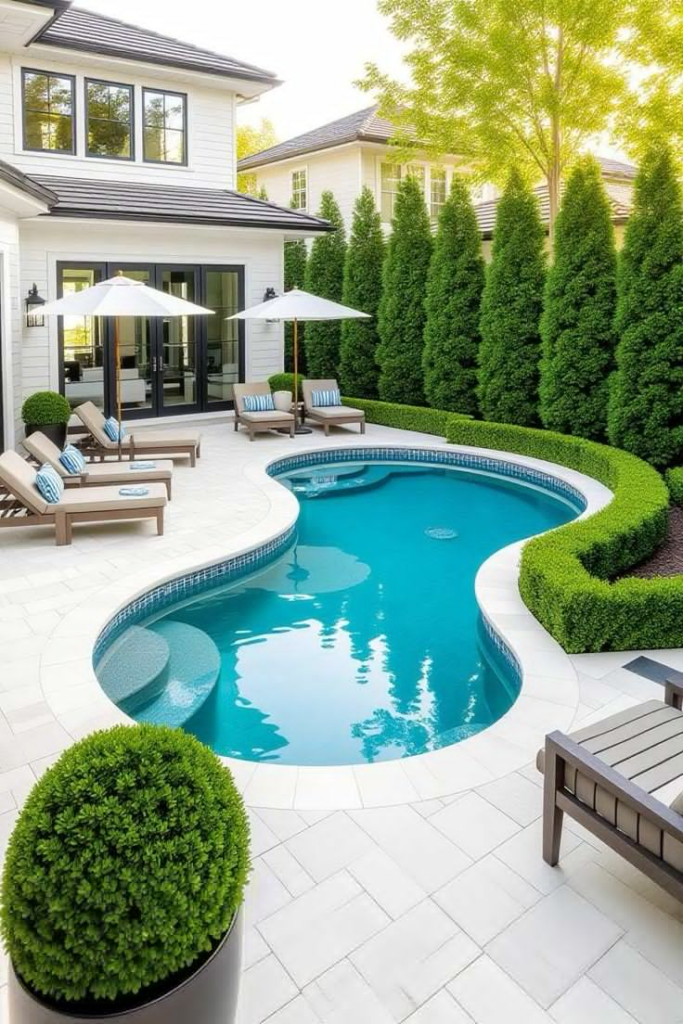
For those who want a backyard that rivals a five-star hotel, the design possibilities are spectacular.
Infinity (negative edge) pools create the illusion that the water extends to the horizon, making them especially dramatic on hillside or ocean-facing properties. Water spills silently over one or more edges into a hidden catch basin and is continuously recirculated. Construction complexity means these typically add $20,000–$30,000 to the base pool cost.
Water features elevate any pool into a multi-sensory experience. Cascading rock waterfalls, deck jets that arc water in precise parabolas, rain curtains, and bubbling grottos all add movement and sound that make the space feel alive and resort-like.
LED lighting is a game-changer for evening ambiance. Color-changing underwater LEDs can shift from warm white to tropical blue at the touch of a button. Pair this with landscape uplighting and string lights above the patio area for a complete nighttime transformation.
Indoor pools — a swimming pool inside house — are the ultimate luxury upgrade, offering year-round swimming regardless of climate. Common in high-end homes and contemporary architecture, indoor pools require proper HVAC and dehumidification systems to manage moisture. The cost premium is substantial (often $200,000+), but the lifestyle benefits in colder regions are unmatched.
For a cost-effective resort feel without the extreme price tag, consider adding a swim-up bar ledge, tanning shelf (also called a Baja shelf), or a fire pit positioned just steps from the water’s edge.
4. Pool Landscaping & Outdoor Décor
The area surrounding your pool is just as important as the pool itself. Great landscaping ties the whole design together and can make even a modest-sized pool feel like a destination.
Decking materials set the foundation. Travertine is timeless and naturally cool to the touch — ideal for hot climates. Composite wood decking offers a warm, natural aesthetic with lower maintenance than real timber. Concrete pavers in large formats deliver a clean, modern look and can be laid in herringbone, running bond, or stacked patterns for visual variety.
Plant selections around a pool should balance beauty with practicality. Choose plants that don’t drop excessive leaf litter — ornamental grasses, agave, bird of paradise, and lavender are excellent candidates. Palms and bamboo (in contained planters) add a tropical mood. Avoid plants with deep root systems near the pool shell, as roots can compromise waterproofing over time.
Furniture should be weather-resistant and proportional to your pool size. Oversized loungers with deep cushions, a daybed with a canopy, and a dining set with an umbrella create multiple zones for relaxing, eating, and socializing. Choose teak, powder-coated aluminum, or all-weather wicker for longevity.
Lighting beyond the pool includes pathway lights, wall sconces, underwater LED strips along retaining walls, and lanterns on dining tables. Layering lighting sources at different heights creates depth and drama after sunset.
5. Pool Safety & Maintenance Tips
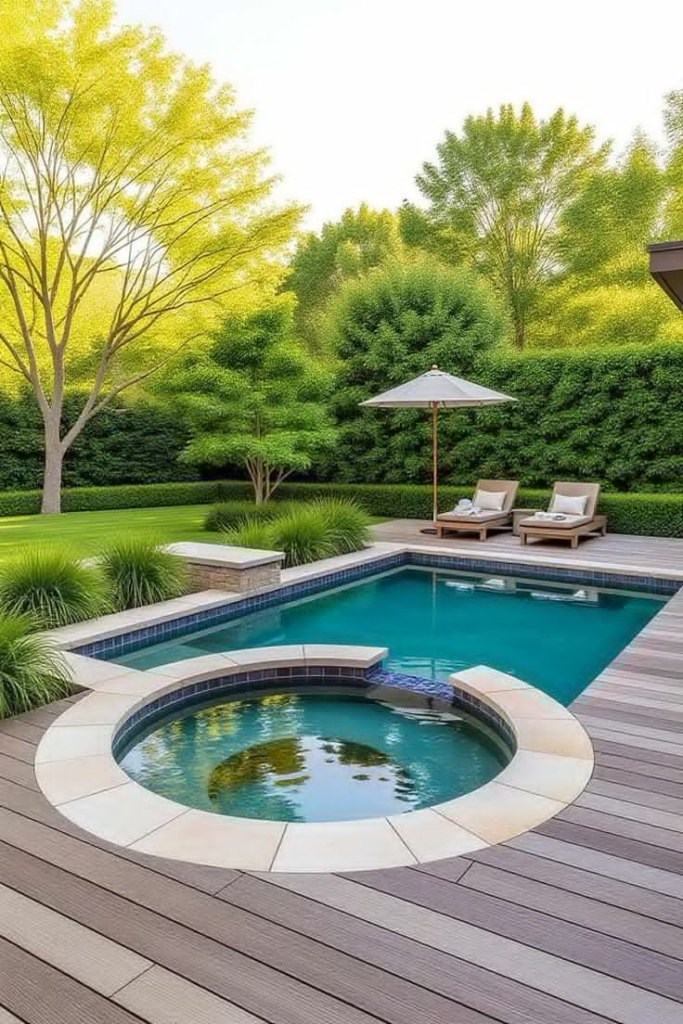
A beautiful pool is also a responsible one. Safety infrastructure and a consistent maintenance routine protect your investment and keep everyone who uses it safe.
Fencing is the single most critical safety feature, especially for households with children. Most municipalities require a minimum 48-inch fence with a self-latching gate that opens away from the pool. Glass panel fencing is a popular modern choice because it maintains sightlines while meeting safety codes.
Pool covers serve dual purposes — safety and energy efficiency. Safety covers are load-bearing and can support the weight of an adult, preventing accidental falls. Automatic retractable covers make daily use effortless. Solar covers, while not safety-rated, reduce water evaporation and help retain heat, cutting energy costs significantly.
Water chemistry should be tested at least twice weekly during peak season. Maintaining a pH between 7.2 and 7.6, balanced alkalinity, and appropriate sanitizer levels (chlorine or saltwater alternatives) prevents algae growth, protects the pool surface, and ensures the water is safe and comfortable.
Routine maintenance includes skimming the surface daily, vacuuming weekly, cleaning the filter monthly, and having a professional inspection annually. Robotic pool cleaners have become surprisingly affordable and can automate much of the weekly floor and wall cleaning.
6. Frequently Asked Questions
What is the best pool design for small backyards? A plunge pool or cocktail spool is typically the best fit for compact spaces. These designs maximize enjoyment in a footprint of 10 by 14 feet or less. Opting for a light plaster finish, minimal landscaping clutter, and vertical plant elements helps the area feel larger. Fiberglass shells are popular here because they require less excavation and can be installed quickly.
How do I make a backyard pool look luxurious on a budget? You don’t need an infinity edge to create a high-end feel. Adding LED underwater lighting ($500–$2,000) transforms evening ambiance dramatically. A tanning ledge, beautiful coping tile, and well-chosen loungers signal luxury without requiring a full rebuild. Landscaping with structural plants and uplighting is one of the highest-impact, lowest-cost upgrades available.
Is a swimming pool inside a house a good investment? For regions with harsh winters or year-round precipitation, an indoor pool can offer exceptional lifestyle value and may appeal to buyers in the luxury real estate market. However, the construction cost, ongoing HVAC requirements, and dehumidification complexity mean it’s rarely recouped fully on resale in average markets. It’s best approached as a quality-of-life investment.
What pool materials last the longest? Concrete pools, properly maintained and resurfaced every 10–15 years, have the longest lifespan — often 50+ years. Fiberglass shells are also extremely durable (25–30 years), while vinyl liners need replacement more frequently (8–12 years) but allow for low-cost refreshes.
Can I add a pool to a very small backyard? Yes. As long as you have roughly 10 by 14 feet of clear space and appropriate setback from property lines (typically 3–5 feet, varying by local code), a plunge pool or compact spa pool is feasible. Always consult your local planning department and a licensed pool contractor before beginning excavation.