
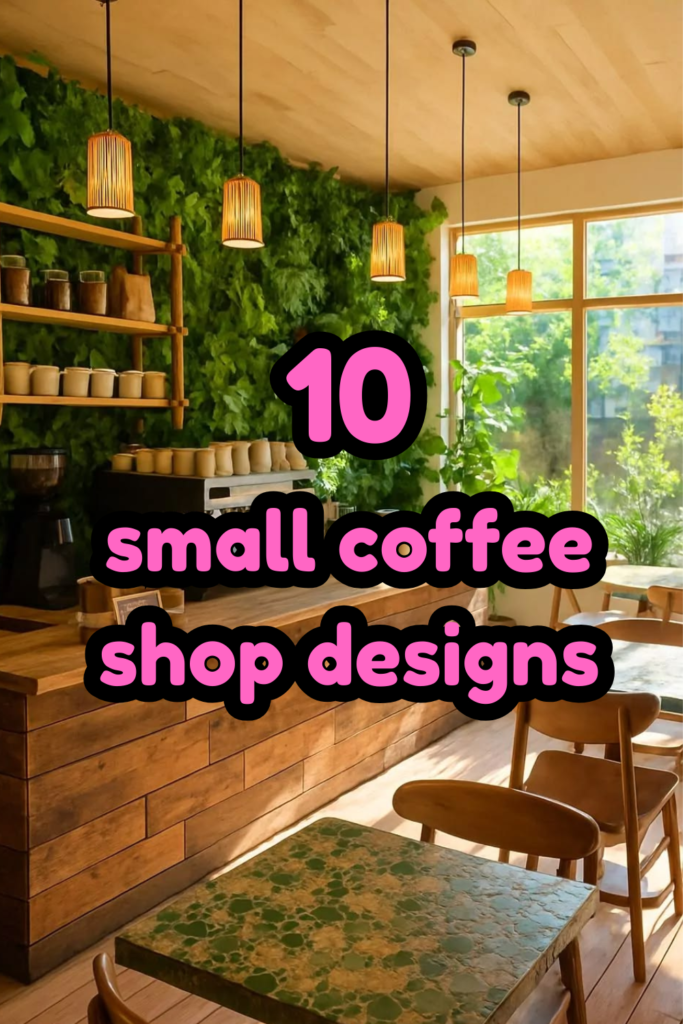
Small coffee shop designs can make or break your café’s success, especially when you’re working with a tight footprint. The right layout, lighting, and decor can transform even the most compact space into a cozy, profitable destination customers can’t stop visiting. Whether you’re opening your first spot or refreshing an existing one, these 10 ideas will help you design smarter, not bigger.
1. Minimalist Small Coffee Shop Design
Less is genuinely more when square footage is limited. A minimalist approach strips away visual clutter, making a cramped room feel open and intentional. Customers can breathe, focus, and linger — all of which translates directly into longer visits and higher average spend.
Key elements:
- Neutral palette: whites, warm grays, and natural wood tones
- Streamlined furniture with clean lines and no excess ornamentation
- Open floor plan that maximizes sightlines from the entrance
- Strategic negative space — not every corner needs to be filled
Pro tip: A minimalist tiny cafe design is the easiest to photograph well, which means free marketing every time a customer posts a picture.
2. Cozy Corner Café Layout
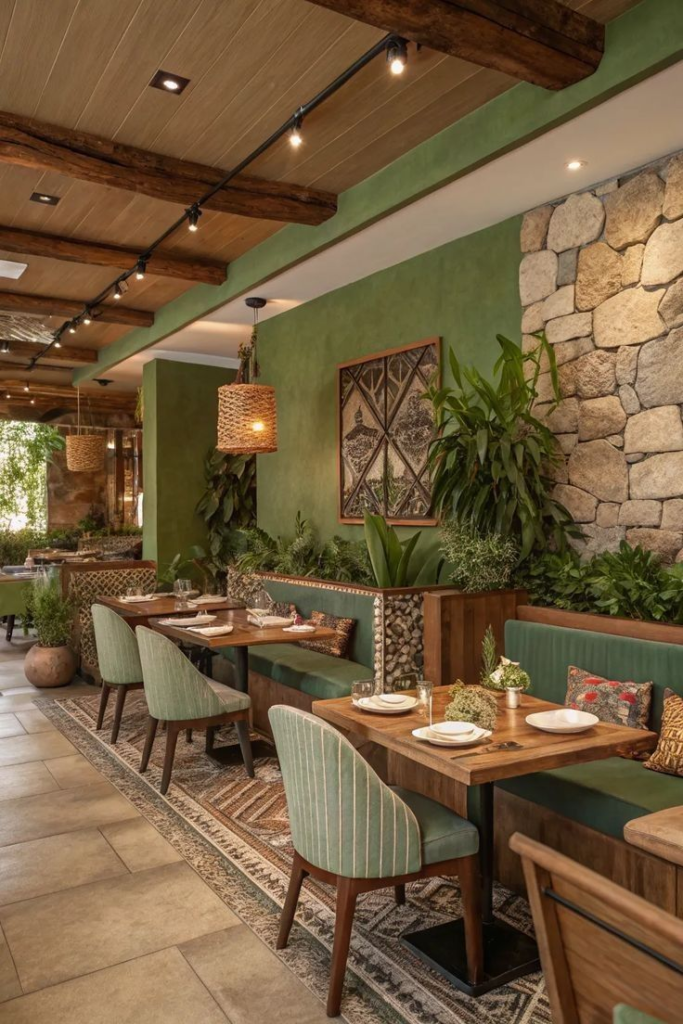
Warmth and intimacy drive repeat visits in ways that trendy aesthetics rarely do. A cozy small coffee shop design gives customers the feeling of their favorite armchair at home — just with better espresso.
Key elements:
- Plush seating in alcoves or against window walls
- Warm, low-wattage bulbs and layered lighting zones
- Textiles: cushions, rugs, curtains to absorb sound and add softness
- Books, plants, or curated shelf displays as decor anchors
Pro tip: Place the coziest seats near the front window. Passersby see happy people relaxing and want in — your interior does your marketing for you.
3. Industrial Small Coffee Shop Design
Exposed brick, metal fixtures, and open ductwork turn a bare-bones space into something with genuine character. Industrial small coffee shop designs work especially well in urban locations where the architecture itself becomes part of the brand.
Key elements:
- Raw materials: exposed concrete, steel shelving, reclaimed wood counters
- Edison bulbs or pendant lighting with metal shades
- Open kitchen or visible espresso station for transparency and theatre
- Dark accent walls balanced with lighter flooring
Pro tip: Industrial doesn’t mean cold. Add a few warm-toned soft furnishings — a leather bench, a wool throw — to invite people to stay.
4. Rustic Coffee Shop Interior
A rustic tiny cafe design leans into texture and story. Reclaimed wood, mason jars, vintage signage, and earthy tones make every surface feel like it has a history. This style particularly resonates in suburban and small-town markets.
Key elements:
- Reclaimed or distressed wood for tables, shelving, and wall panels
- Warm earth tones: terracotta, forest green, burnt sienna
- Handwritten chalkboard menus
- Vintage or antique decorative accents
Pro tip: Source locally when decorating. A barn door from a nearby farm or regional pottery mugs adds authenticity no franchise can replicate.
5. Modern Scandinavian Café Design
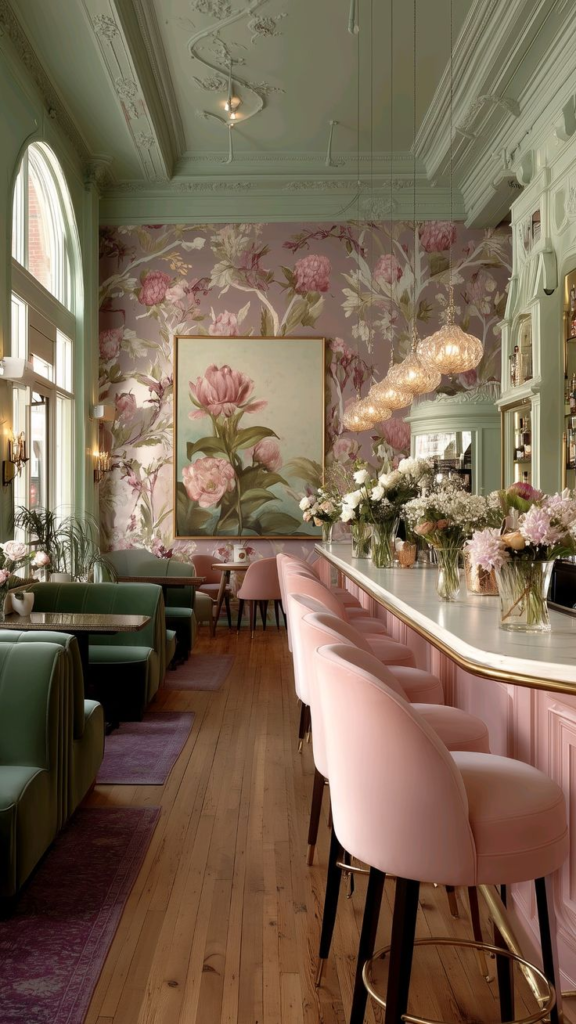
Scandinavian design is built for small spaces. Functionality, simplicity, and natural light are its pillars — exactly what a compact café needs. This small coffee shop design style feels sophisticated without being cold, and budget-friendly to execute well.
Key elements:
- Light wood (birch, pine) and white surfaces dominating the palette
- Monochrome accents in black or charcoal
- Large windows or mirrors to amplify natural light
- Plants as the primary decorative element
Pro tip: Hygge (the Danish concept of cozy contentment) is your north star. If every element makes someone feel at ease, you’ve nailed the aesthetic.
6. Small Coffee Shop with Bar Seating
Bar seating along a window wall or counter can nearly double your customer capacity without expanding your footprint. It’s a practical small coffee shop design strategy that also creates a social, energetic atmosphere.
Key elements:
- Counter-height bar along windows or walls
- Slim bar stools that tuck away completely when not in use
- USB charging ports or outlets integrated into the bar top
- Overhead pendant lighting to define the bar zone visually
Pro tip: Solo customers love bar seats. By designing specifically for them, you capture the freelancer and remote worker market — reliable, high-frequency visitors.
7. Outdoor + Indoor Hybrid Café
Even a narrow sidewalk or small patio can expand your effective seating by 30–50%. Blurring the indoor-outdoor boundary with a hybrid small coffee shop design is one of the highest-ROI moves available to small operators.
Key elements:
- Folding or sliding glass panels that open entirely in warm weather
- Matching furniture indoors and outdoors for visual continuity
- Outdoor heaters and string lights to extend the usable season
- Planters or trellises to create a sense of enclosure outside
Pro tip: File for a seasonal outdoor permit early. Many cities have streamlined patio licensing for small businesses — the paperwork is worth the square footage.
8. Aesthetic Instagram-Style Coffee Shop
Designed virality is a legitimate business strategy. A carefully crafted aesthetic tiny cafe design gives customers a reason to photograph your space and publish it to their audiences — unpaid, organic marketing at scale.
Key elements:
- One “hero wall”: a mural, neon sign, or striking typographic print
- Consistent, photogenic color palette carried throughout the space
- Good natural light near seating (golden-hour windows are gold)
- Branded details: custom cups, locally made ceramics, distinctive packaging
Pro tip: Design one corner specifically for photos. A clean backdrop, good light, and a branded element is all it takes. Tag your café in the caption suggestions near that spot.
9. Budget-Friendly Small Café Design
A tight launch budget doesn’t mean a forgettable space. The most memorable small coffee shop designs are often the most resourceful — distinctive personality costs creativity, not cash.
Key elements:
- Second-hand furniture refinished to match a chosen palette
- DIY shelving from plumbing pipe and reclaimed boards
- Plants (high visual impact, low cost) as primary decor
- Paint as your biggest design lever — one bold wall transforms a room
Pro tip: Focus spend on the two things customers interact with most: the counter experience and the seating comfort. Everything else is visual noise.
10. Multi-Functional Coffee Shop Layout
The most profitable small coffee shop designs do more than serve drinks. A space that shifts between morning café, afternoon coworking hub, and evening event venue generates revenue streams a single-purpose layout cannot.
Key elements:
- Modular furniture that reconfigures easily (stackable chairs, foldable tables)
- Bookable private nook or semi-enclosed space for meetings
- Acoustic panels or curtains to create flexible sound zones
- A/V equipment and reliable Wi-Fi designed into the build-out from the start
Pro tip: Partner with local freelancers, photographers, or small businesses for after-hours events. Your space earns money while you sleep.
How to Make Your Small Coffee Shop More Profitable
Design decisions compound into business outcomes. Here are four levers worth building around:
Smart seating layout. Prioritize a mix of table sizes — two-tops, four-tops, and bar seats — rather than defaulting to large communal tables. A table that turns three times in a day generates more revenue than one that hosts a laptop for six hours.
Upselling through design. Position your pastry case or merch display between the entrance and the counter. Customers who walk past it before ordering spend more. Display food at eye level, and price items so the middle option feels like a deal.
Lighting psychology. Bright light accelerates table turnover (think fast food). Warm, dim light slows people down and encourages a second order. Most cafés want the latter — invest in dimmable warm-spectrum bulbs and zone your lighting to give different areas different energies.
Customer flow optimization. A clear, intuitive path from entrance → order → pickup → seating reduces friction and perceived wait times. Queue chaos is a conversion killer. Design the flow before you finalize any fixture placement.