
We’ve all been there. You’re in the middle of a creative DIY project or giving the living room a fresh coat of color, and then it happens. A splash of paint lands on your favorite jeans or a brand-new shirt. You wipe at it frantically, but it’s too late—it’s already starting to set.
The panic sets in as you think the garment is destined for the trash bin. But before you give up hope, take a deep breath. While fresh spills are easier to tackle, removing dried paint from clothes is absolutely possible. It requires a bit more patience and the right technique, but with these simple home methods, you can salvage your wardrobe. In this guide, we’ll explore exactly how to get dried paint out of clothes using everyday household items, ensuring you can confidently remove paint stains from fabric without damaging your garments.
Can Dried Paint Be Removed from Clothes?
The short answer is yes, but the long answer depends entirely on the type of paint you’re dealing with. Paint is a complex substance, and the base of the paint dictates the solvent you’ll need to break it down.
- Water-Based Paints (Acrylic & Latex): These are the most common paints for home projects and crafts. Because they are water-soluble when wet, they seem harmless. However, once they dry, the polymers in the paint cure, making them water-resistant. Luckily, they respond well to solvents like rubbing alcohol.
- Oil-Based Paints: These are much trickier. They create a hard, durable finish that resists water completely. Removing dried paint from clothes that is oil-based usually requires stronger chemical solvents like turpentine, paint thinner, or acetone.
Identifying the paint type is the crucial first step. Once you know what you’re up against, you can choose the most effective method below.
Things You Should Do Before Removing Dried Paint
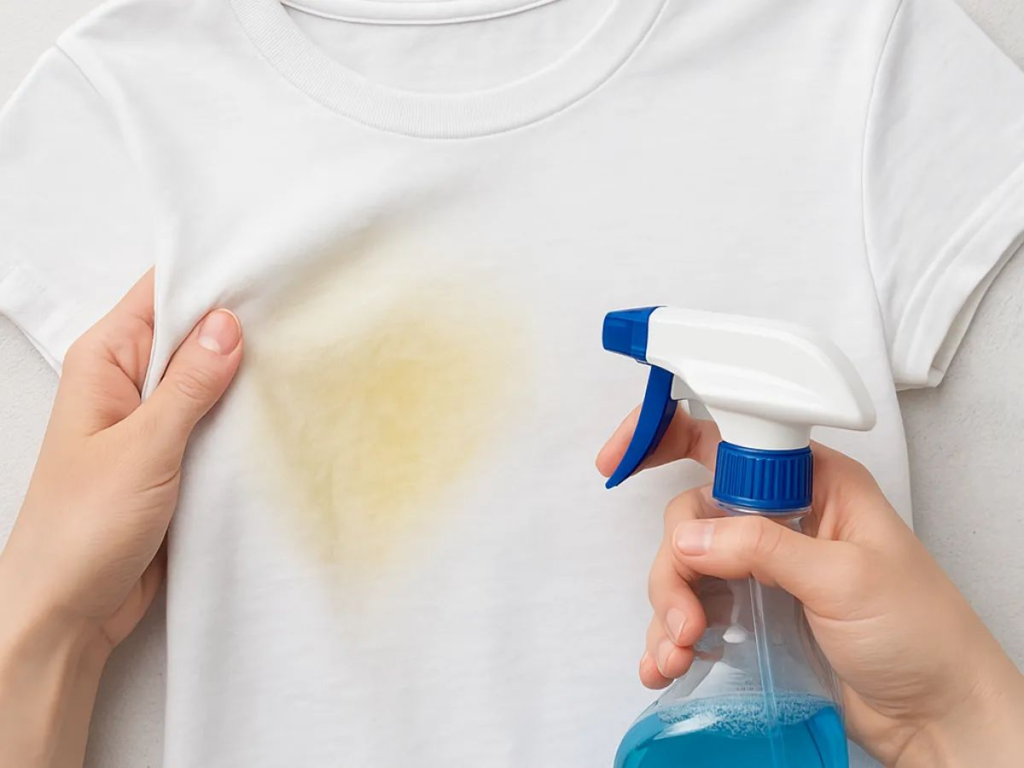
Preparation is key to successful stain removal. Rushing in can sometimes make the problem worse. Before you apply any liquid, follow these preliminary steps:
- Scrape Off the Excess: Use a blunt knife, a spoon, or the edge of a credit card to gently scrape away any dried paint flakes from the surface. Be careful not to push the pigment deeper into the fibers or damage the weave of the fabric.
- Check the Fabric Care Label: Your garment’s care label provides vital information. Delicate fabrics like silk, acetate, or wool require gentler treatment and may not tolerate strong solvents.
- Test in an Inconspicuous Area: Before going all-in, test your chosen cleaning solution on an inside seam or hem. This ensures the solvent won’t discolor or eat away at the fabric.
- Avoid Hot Water at First: Heat can actually set some stains, particularly protein-based ones, but with paint, it can sometimes melt the substance deeper into the fibers. Always start with cold or lukewarm water unless a specific method instructs otherwise.
Method 1 – Remove Dried Paint with Rubbing Alcohol
Rubbing alcohol (isopropyl alcohol) is the undisputed champion when it comes to removing dried paint from clothes, especially for water-based paints. It breaks down the paint’s polymers, turning the solid stain back into a liquid that can be lifted away. This is the go-to method to remove acrylic paint from clothes.
Steps:
- Place the garment over an old towel or a stack of paper towels, with the stain facing down. This allows the alcohol to push the paint out of the fabric rather than just moving it around.
- Saturate a clean cloth or cotton ball with rubbing alcohol and dab it onto the back of the stain. You should see the paint starting to transfer to the towel underneath.
- Flip the garment over and gently rub the stain with a soft-bristled brush or cloth. The paint should begin to break up.
- Once you’ve lifted as much as possible, rinse the area with cold water.
- Finally, launder the item as usual. This alcohol paint removal technique is highly effective for most craft paints.
Method 2 – Use Vinegar and Baking Soda
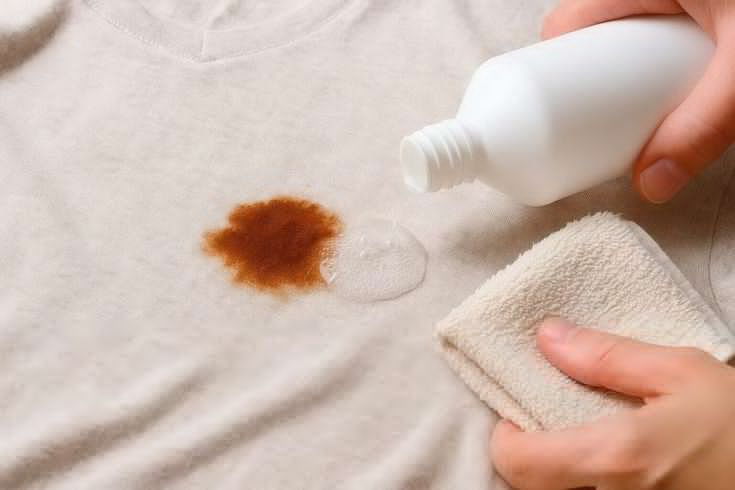
For those who prefer a natural stain remover, white vinegar and baking soda make a powerful, non-toxic team. While not as strong as alcohol for fully cured paint, this method is excellent for treating semi-dried spots or for use on delicate fabrics where you want to remove paint stains naturally.
Steps:
- Soak the stained area with undiluted white vinegar. Let it sit and penetrate the paint for about 15 minutes. The acetic acid in the vinegar helps to soften the paint.
- Sprinkle baking soda generously over the vinegar-soaked area. The mixture will fizz, which helps to lift the stain from the fibers.
- Let the paste sit for another 10-15 minutes.
- Use a soft brush or an old toothbrush to gently scrub the area in a circular motion.
- Wash normally in the washing machine with your regular detergent.
Method 3 – Dish Soap and Warm Water
Sometimes, the simplest solution is the best place to start, particularly for stains that aren’t too old. Liquid dish soap is designed to break down grease and oils, making it a surprisingly effective paint stain removal hack for both latex and acrylic paints.
Steps:
- Apply dish soap directly to the dried paint stain. Use enough to thoroughly cover the area.
- Let the soap sit for a few minutes to penetrate the paint.
- Dip a soft brush or cloth in warm water and gently work the soap into the fabric. You should see the paint beginning to dissolve and lather up.
- Rinse and repeat if necessary until no more paint transfers to your cleaning cloth.
- Once the stain is gone, wash the garment in the washing machine to clean paint stains from fabric completely.
Method 4 – Using Acetone (For Tough Paint Stains)
When home remedies fail, it’s time to bring in the heavy artillery. Acetone, commonly found in nail polish remover, is a potent solvent. It is particularly effective for removing dried paint from clothes when dealing with stubborn, oil-based paints or well-cured acrylics.
Warning: Acetone is harsh. It can dissolve synthetic fibers like acetate and triacetate, and it can strip dye from colored fabrics. Use this method only on sturdy, natural fibers like cotton or denim, and always test first.
Steps:
- Work in a well-ventilated area.
- Place the stain face down on a towel.
- Dab acetone onto the back of the stain with a cotton ball. You should see the paint dissolving and transferring to the towel.
- Blot, don’t rub, to avoid spreading the liquefied paint.
- Rinse immediately with cold water and wash the garment separately.
How to Remove Different Types of Paint from Clothes
To make things even clearer, here is a quick guide based on the specific paint type:
Removing Acrylic Paint from Clothes
Acrylic is plastic-based. Use the rubbing alcohol method. It breaks the plastic bond, allowing you to scrape and wash it away.
Removing Latex Paint from Clothes
Latex paint is rubber-based. Start with the dish soap and warm water method. If that doesn’t work, move on to rubbing alcohol or vinegar.
Removing Oil-Based Paint from Clothes
This requires solvents. Use acetone (on safe fabrics) or specialized paint thinners/mineral spirits. Be prepared for a stronger odor and a more intensive process.
Common Mistakes to Avoid When Removing Paint Stains
Even with the best intentions, you can accidentally set a stain for good. Avoid these common pitfalls:
- Using hot water immediately: Heat can cook the paint into the fabric, making it permanent.
- Scrubbing too hard: Aggressive scrubbing can damage the fabric’s weave and spread the stain to a larger area. Always blot and gently rub.
- Using bleach on colored fabric: Bleach is for whitening, not stain removal on colors. It will ruin the garment’s color. Stick to color-safe methods.
Extra Tips to Remove Old Paint Stains
Have a stain that’s been there for months? Don’t lose hope.
- Use a toothbrush: A clean toothbrush is perfect for working solvents into the tight weave of fabrics without being too abrasive.
- Repeat the treatment: Old stains are stubborn. You may need to go through a chosen method 2-3 times, letting the solvent sit longer each time.
- Try commercial stain removers: If natural methods fail, look for commercial products specifically designed for paint removal. Always follow the instructions carefully.
FAQs About Removing Paint from Clothes
Can dried paint come out of clothes after washing?
Yes, but it is more difficult. Washing and drying a stained garment can heat-set the paint, making it harder to dissolve. However, the methods above (especially alcohol and acetone) can still work on post-wash stains.
What removes dried acrylic paint from fabric?
The most effective solution is isopropyl alcohol (rubbing alcohol). It breaks down the acrylic polymer, turning it back into a liquid state so it can be blotted away.
Does vinegar remove paint stains?
Yes, vinegar can be effective, particularly for latex and some acrylic paints. It acts as a mild solvent and is a great natural stain remover for delicate fabrics where you don’t want to use harsh chemicals.
Conclusion
Discovering a dried paint stain on your clothing doesn’t have to be the end of the road for that garment. Whether you choose the power of rubbing alcohol, the natural fizz of vinegar and baking soda, or the heavy-duty strength of acetone, there is a solution waiting for you.
Remember to always identify your paint type, test your method, and be patient. Removing dried paint from clothes is a process, but with these techniques, you can rescue your favorite outfits from the “painting shirt” pile. Start with the easiest method—like dish soap—and work your way up. Your wardrobe will thank you