
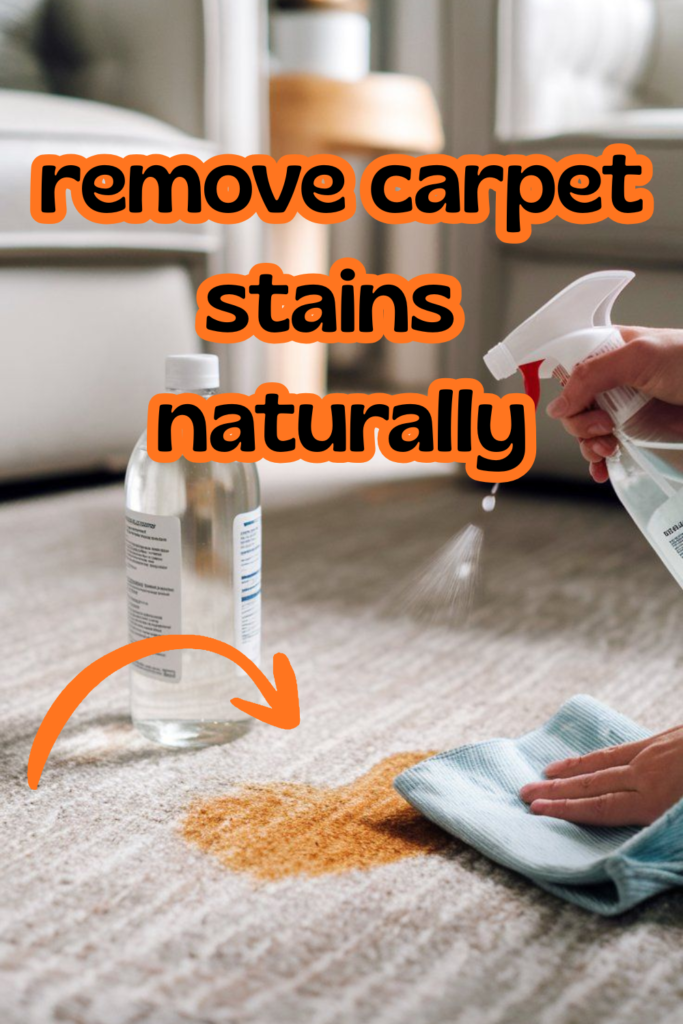
Let’s be real for a second. If you live in a house with kids, pets, or just the general chaos of daily life, your carpet is a battlefield. One minute it’s a pristine, fluffy landscape; the next, it’s a modern art installation featuring a splash of morning coffee, a smear of last night’s red wine, or a mysterious mud trail leading from the back door.
As someone who spends their life deep in the digital weeds of algorithms and SERPs, I appreciate a clean, functional environment. But when it comes to cleaning up those inevitable spills, I’m not reaching for a bottle full of unpronounceable chemicals. Not with toddlers doing tummy time and dogs licking the floor.
The good news? You don’t need a hazmat suit to get your carpets looking new again. Today, we’re diving deep into the ultimate guide on how to clean carpet stains using simple, natural ingredients you already have in your pantry. We’ll cover everything from why natural is better to the exact step-by-step methods that actually work.
Why Choose Natural Carpet Stain Removers?
Before we get into the nitty-gritty of scrubbing, let’s talk about the “why.” In a world of high-powered chemical cleaners, why should we go the eco-friendly route?
- Safe for Children and Pets: This is the big one. Little ones spend a lot of time on the floor. Chemical residues can transfer to skin and paws, leading to irritation or worse. Natural solutions eliminate that worry.
- No Harsh Chemical Smells: You know that “cleaner” smell? That’s often a cocktail of VOCs (Volatile Organic Compounds). Natural cleaners leave your home smelling like, well, nothing—or just a faint hint of vinegar that dissipates quickly.
- Budget-Friendly: You don’t need to spend $15 on a specialized spray. You can effectively remove carpet stains with items like baking soda and soap that cost pennies per use.
- Eco-Friendly: You’re keeping phosphates and synthetic fragrances out of the water supply. It’s a small win for the planet, one stain at a time.
What You Should Do Before Treating a Carpet Stain
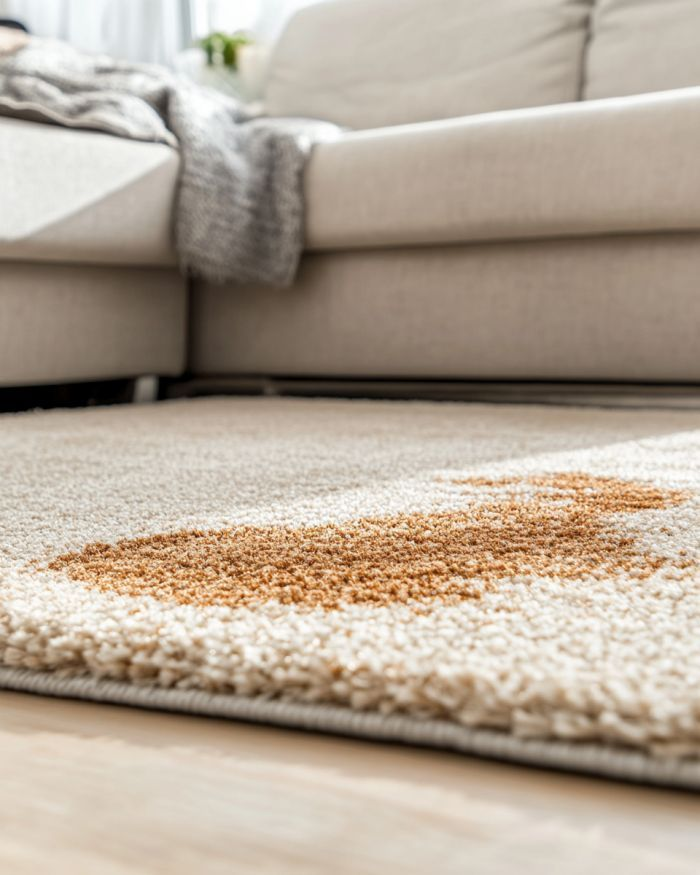
Alright, spill just happened. Don’t panic. Your immediate reaction will determine whether this is a 5-minute fix or a permanent reminder of your clumsiness.
- Blot, Don’t Rub: I’ll shout this from the rooftops. Rubbing grinds the stain deeper into the fibers and damages the carpet pile. Grab a clean, white cloth (colorful ones can bleed dye) and blot from the outside in to prevent spreading.
- Act Quickly: Fresh stains are exponentially easier to treat than dried, set-in ones. Time is of the essence.
- Remove Excess Debris: If it’s mud or something solid, let it dry slightly, then gently scrape up the solids with a spoon or a dull knife before you start blotting the liquid.
- Test in a Hidden Area: Before you unleash a new cleaning solution on your beige carpet, test it in a closet or behind the couch. You want to make sure it doesn’t discolor or damage the fibers.
Best Natural Ingredients for Removing Carpet Stains
Think of your pantry as a cleaning arsenal. Here are the all-star players we’ll be using to tackle that list of “how to clean carpet stains.”
1. Baking Soda
This is the MVP of natural cleaning. It’s a gentle alkali that can break down acidic stains. Plus, it’s a superstar at absorbing odors and moisture. It’s essential if you want to clean carpet with baking soda, as it lifts dirt and neutralizes smells simultaneously.
2. White Vinegar
A mild acid that cuts through grime, breaks down tough stains like coffee and wine, and acts as a natural disinfectant. Don’t worry about the smell; it evaporates completely once dry.
3. Dish Soap
A tiny drop of a clear, grease-fighting dish soap is perfect for cutting through oily or greasy stains. It’s the surfactant that helps lift the dirt out of the carpet.
4. Hydrogen Peroxide (Light Carpets Only)
This is your heavy hitter for stubborn, set-in biological stains (like blood or old pet accidents). Warning: It has mild bleaching properties, so only use it on light-colored or white carpets. Always test first.
Step-by-Step Guide: How to Remove Carpet Stains Naturally
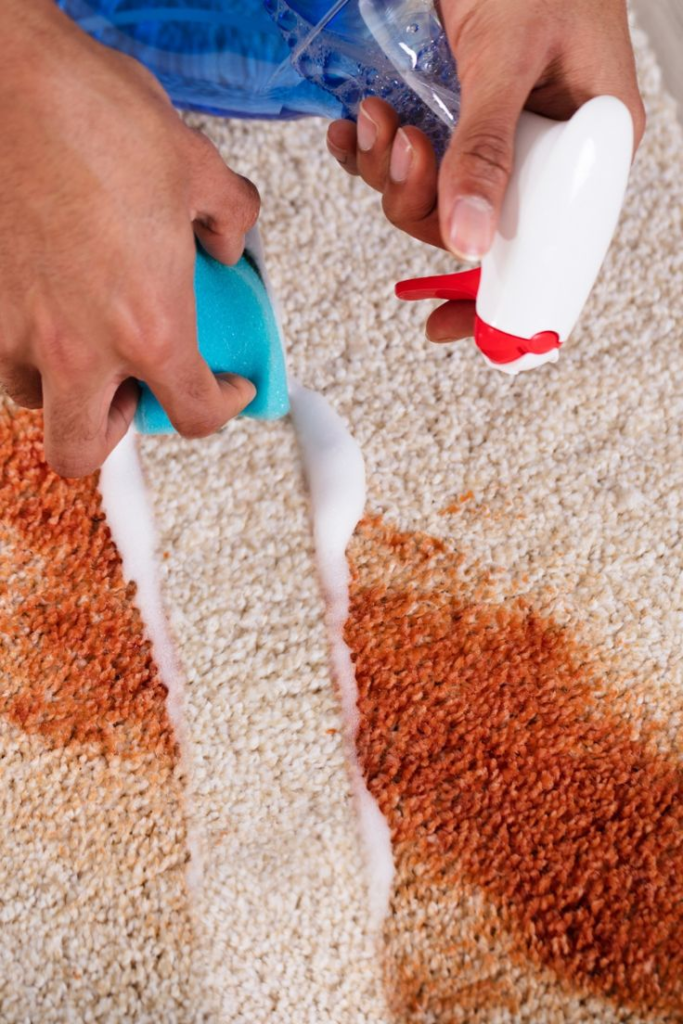
Let’s get down to business. Here are three foolproof methods to tackle almost any spill.
Method 1 – The Fizzing Duo: Baking Soda & Vinegar
This is my go-to for fresh, smelly stains.
- Blot up as much of the spill as possible.
- Sprinkle a generous layer of baking soda directly over the stain. Pat it down gently.
- In a spray bottle, mix a 1:1 solution of white vinegar and warm water.
- Spray the vinegar solution onto the baking soda. It will fizz up—this reaction helps lift the stain to the surface.
- Let it sit and fizz for about 5-10 minutes.
- Blot the area with a clean cloth, absorbing the liquid and the stain.
- Allow the carpet to dry completely. This might take an hour or two.
- Once dry, vacuum up the residual baking soda powder. Your carpet should be clean and fresh.
Method 2 – The Gentle Cleaner: Dish Soap Solution
Perfect for greasy food spills or everyday dirt.
- Mix 1/4 teaspoon of clear dish soap with 1 cup of warm water.
- Dip a clean cloth into the solution and wring it out so it’s damp, not soaking wet.
- Blot the stain, working from the outside in. You’ll see the stain transfer to the cloth.
- Blot with a dry cloth to absorb the dirty solution. Repeat until the stain is gone.
- Finally, “rinse” the area by blotting with a cloth dipped in plain water to remove any soap residue (which can attract dirt).
Method 3 – The Revival: Tackling Old Stains
Got a mystery stain from last month? Here’s how to revive it.
- Re-wet the old stain with a bit of warm water to help loosen the dried gunk.
- Apply a paste made of baking soda and water or the vinegar solution (Method 1). Let it sit for at least 30 minutes, or even an hour.
- Scrub gently with a soft-bristled brush or sponge, then blot vigorously.
- For really stubborn old stains on light carpets, you can try the hydrogen peroxide method: Apply a small amount directly to the stain, let it sit for a few minutes, and blot.
How to Remove Specific Carpet Stains Naturally
Different stains require slightly different tactics. Here’s a quick reference guide:
- Coffee Stains: Blot immediately. Apply a vinegar and water solution, then blot. If a stain remains, use the dish soap solution.
- Red Wine Stains: Don’t panic! Blot up as much as possible. Cover the stain with salt or baking soda to absorb the wine. Let it sit, then vacuum. Follow up with the vinegar solution.
- Pet Stains: This requires an enzymatic approach, but baking soda and vinegar are your first line of defense. Blot well, apply baking soda, spray with vinegar, and let it dry thoroughly to neutralize odors.
- Mud Stains: Let the mud dry completely. Scrape off the excess dirt. Vacuum the area. Then, treat any remaining pigment with the dish soap solution.
- Grease Stains: Sprinkle cornstarch or baking soda on the grease to absorb it. Let it sit for 15 minutes, then vacuum. Treat the spot with the dish soap solution to cut the remaining grease.
Common Carpet Cleaning Mistakes to Avoid
Even with the best intentions, you can make a stain worse. Avoid these pitfalls:
- Scrubbing Too Hard: We covered this. Be gentle, be patient. Blotting is key.
- Using Too Much Water: You’re not mopping a floor. Oversaturating the carpet can soak the padding underneath, leading to mold and mildew. Damp is good; wet is bad.
- Mixing Random Chemicals: Never mix chemical cleaners. And while natural, never mix vinegar with hydrogen peroxide (it creates a toxic gas) or bleach.
How to Keep Your Carpet Stain-Free Longer
Prevention is always easier than cure.
- Vacuum Regularly: This removes the grit that grinds down carpet fibers.
- Use Area Rugs: Place mats in high-traffic zones and entryways.
- Apply a Natural Carpet Freshener: Sprinkle baking soda mixed with a few drops of your favorite essential oil on the carpet, let it sit for 30 minutes, and vacuum.
- Clean Spills Immediately: A spill ignored is a stain embraced.
FAQs About Natural Carpet Stain Removal
Does vinegar damage carpet?
No, when diluted with water, white vinegar is perfectly safe for most carpets. The smell fades as it dries. Avoid using it on natural fibers like wool or silk without testing first, as the acid could be harsh.
Can baking soda remove old stains?
It’s better for fresh stains, but it can help lift old ones. For old stains, mix it with water to make a paste, apply it, let it dry completely, and vacuum. It often pulls the stain up with it.
How long should I leave baking soda on carpet?
For odor removal, 30 minutes to a few hours is great. For stain treatment (as a paste or with vinegar), 10-30 minutes is usually sufficient. For really stubborn smells, you can leave it overnight.
What is the best homemade carpet cleaner?
For a general, all-purpose spot cleaner, the baking soda and vinegar method is unbeatable for its cleaning and deodorizing power. For grease, the tiny bit of dish soap is the winner.
Conclusion
Mastering the art of how to clean carpet stains doesn’t require a degree in chemistry or a cabinet full of expensive products. With a little knowledge and a few pantry staples—specifically, knowing how to clean carpet with baking soda and vinegar—you can tackle life’s little messes safely, effectively, and affordably.
Embrace the eco-friendly approach. Your kids, your pets, and your wallet will thank you.