
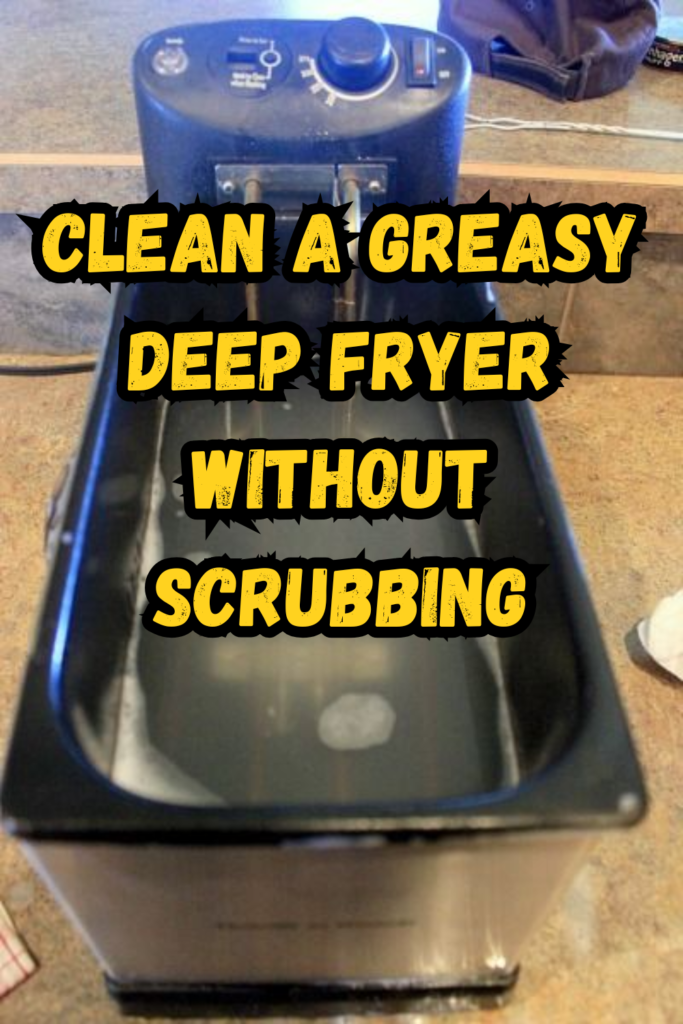
Cleaning a greasy deep fryer can feel like an uphill battle oil buildup clings stubbornly to every surface, and no amount of elbow grease seems to cut through the mess. But here’s the good news: you don’t need harsh chemicals or exhausting scrubbing to get it spotless. In this guide, you’ll discover exactly how to clean a deep fryer using simple household ingredients, step-by-step, so your fryer looks like new in no time.
Why Deep Fryers Get So Greasy
Understanding the problem is half the battle. Every time you fry food, tiny oil particles get heated to extreme temperatures. Over multiple uses, these particles oxidize and polymerize — basically, they bond to the metal surfaces of your fryer, forming layer after layer of hardened, sticky residue.
Regular cleaning prevents this buildup from becoming a permanent fixture. Left untreated, old burnt oil doesn’t just look unpleasant — it can affect the flavor of your food, reduce your fryer’s efficiency, and even become a fire hazard. Knowing how to wash a deep fryer regularly is essential for both performance and safety.
What You’ll Need
Before you start, gather these simple supplies:
- Baking soda
- Dish soap (regular liquid dish soap works great)
- White vinegar
- Hot water
- Soft sponge or microfiber cloth
- Paper towels
No abrasive pads, no harsh chemicals — everything here is gentle enough to protect your fryer’s finish while still being powerful enough to cut through grease.
Step-by-Step: How to Clean a Deep Fryer Without Scrubbing
Step 1: Unplug and Cool Down
Safety always comes first. Before doing anything, unplug your electric fryer and allow it to cool completely — at least 30 minutes after use. Never attempt to clean a hot fryer. The heating element, oil, and metal surfaces retain heat long after you’ve finished cooking.
Step 2: Remove Old Oil
Pour out any remaining oil into a sealable container for proper disposal — never pour it down the drain, as it can clog your pipes. If the oil is still clean enough to reuse, strain it through a fine-mesh sieve and store it in an airtight container.
Step 3: Fill with Hot Water and Dish Soap
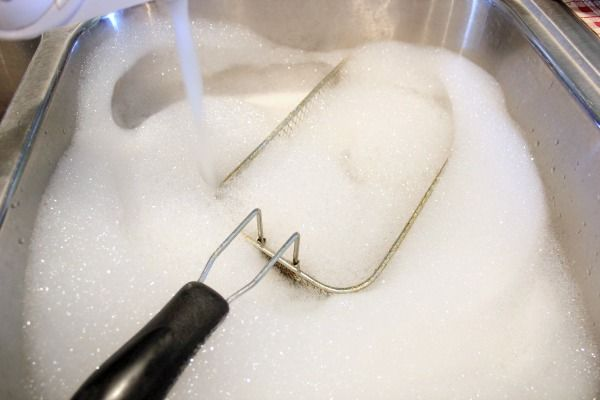
Once empty, fill the fryer basin with hot water — as hot as your tap can go. Add a generous squirt of dish soap. The surfactants in dish soap are specifically designed to break the bond between grease and surfaces, so this is where the real cleaning magic begins.
Step 4: Boil the Water
Here’s the key trick that makes scrubbing unnecessary: if your fryer has a heating element, plug it back in briefly and bring the soapy water to a gentle boil. The heat liquefies baked-on grease and lifts it off surfaces. Allow it to heat for 10–15 minutes, then unplug again and let cool. Caution: Always check your fryer’s manual before boiling water in it — this step applies to most electric deep fryers but may not suit all models.
Step 5: Add Baking Soda
Once the water has cooled slightly (still warm but safe to handle), sprinkle in 2–3 tablespoons of baking soda. Baking soda is a mild alkali that reacts with greasy residue, breaking it down further. Stir gently to combine. You’ll often notice the water darkening as grime loosens from the walls.
Step 6: Let It Sit
Now simply walk away. Let the baking soda solution sit in your fryer for 20–30 minutes. This is the no-scrub phase — the solution is doing all the hard work for you, dissolving burnt oil layers you’d otherwise spend ages trying to scrub off.
Step 7: Rinse and Wipe Clean
Drain the greasy water, then rinse the basin thoroughly with clean water. Use a soft sponge or microfiber cloth to wipe the inside clean. You’ll find that what used to require aggressive scrubbing now wipes away with barely any effort. Dry thoroughly before storing or using again.
Natural Cleaning Hack: The Vinegar and Baking Soda Method
If you’d rather skip dish soap entirely — perhaps you’re looking for a more eco-friendly approach — white vinegar is a brilliant alternative. Here’s the simple method:
- Fill your cooled fryer basin with equal parts white vinegar and hot water.
- Let it soak for 15–20 minutes.
- Drain, then sprinkle baking soda over the surface.
- You’ll notice a gentle fizzing reaction — this is the acid (vinegar) reacting with the alkali (baking soda), which helps dislodge residue.
- Wipe clean with a soft cloth.
This method is completely chemical-free, safe for all fryer types, and leaves no soapy residue. Knowing how to clean an electric fryer without commercial products can also save you money in the long run.
Pro Tips to Keep Your Fryer Clean Longer
A little maintenance goes a long way. Here are habits that keep deep fryer cleaning sessions quick and painless:
Filter your oil regularly. After each use, strain the oil through cheesecloth or a fine-mesh filter to remove food particles. Dirty oil burns faster and coats your fryer in sticky residue much more quickly.
Avoid overheating oil. When oil exceeds its smoke point, it degrades and leaves behind carbonized deposits that are notoriously difficult to clean. Always fry within the recommended temperature range for the oil you’re using.
Clean after every use. Even a quick wipe-down after cooking dramatically reduces buildup over time. The longer you wait, the harder cleaning becomes.
Common Mistakes to Avoid
Even with the best intentions, people often make cleaning mistakes that damage their fryer or leave it dirtier than expected:
Using abrasive scrubbers. Steel wool or rough scrubbing pads scratch the fryer’s surface, creating tiny grooves where grease accumulates even faster. Always use soft cloths or sponges.
Forgetting to unplug. This sounds obvious, but in a hurry, people skip this step. Water and electricity are a dangerous combination — always unplug before cleaning.
Skipping regular cleaning. Monthly deep cleans are far more difficult than quick weekly wipe-downs. Consistency is the real secret to a clean fryer.
FAQs
How often should I clean my deep fryer? For home use, a light clean after every 1–2 uses is ideal, with a thorough deep clean every 2–4 weeks depending on how frequently you fry.
Can I use vinegar to clean grease? Yes! White vinegar is highly effective at cutting through light to moderate grease buildup, especially when combined with baking soda. It’s a natural, eco-friendly option with no chemical residue.
What is the easiest way to remove burnt oil from a fryer? The boiling water and baking soda method described in this guide is widely considered the most effective no-scrub approach. The heat liquefies baked-on grease while the baking soda breaks down residue chemically.
Is it safe to boil water in a deep fryer? For most electric deep fryers, yes — briefly boiling soapy water is safe and recommended by many manufacturers as a cleaning method. However, always consult your specific model’s manual first to confirm.
Conclusion
With these simple no-scrub methods, knowing how to clean your deep fryer no longer needs to feel like a dreaded chore. Whether you prefer the dish soap and baking soda method or the natural vinegar approach, both techniques dissolve grease effectively with minimal effort on your part. The real key is consistency — clean often, maintain good oil habits, and your fryer will reward you with better-tasting food and a longer lifespan.
Try one of these techniques today and enjoy a spotless kitchen with minimal effort. And if you found this guide helpful, share it with a fellow home cook who’s still scrubbing the old-fashioned way!