
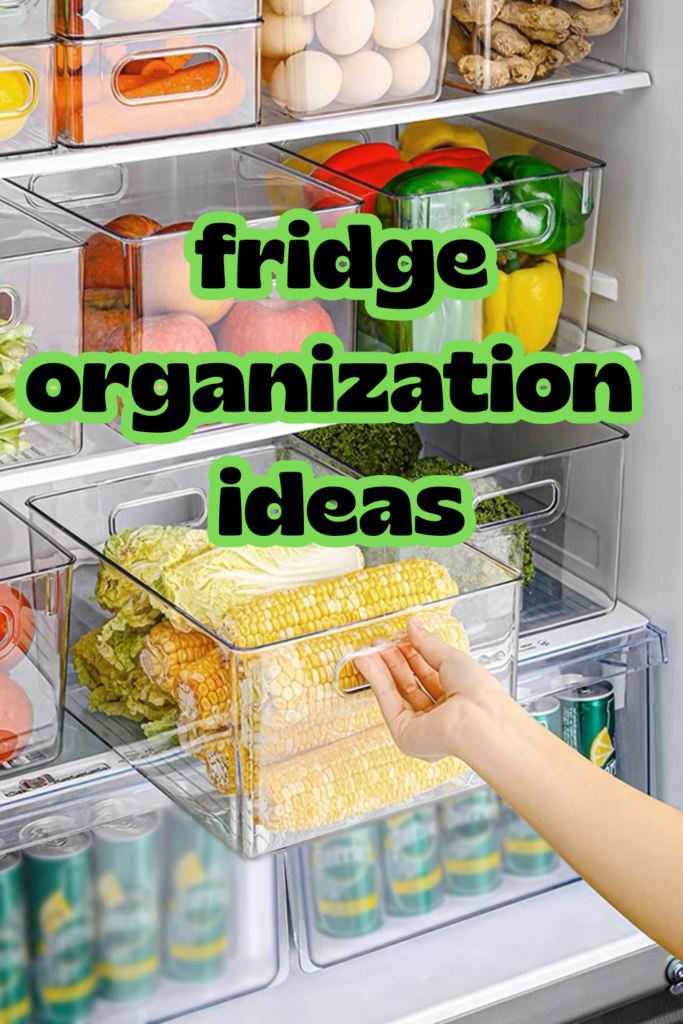
In this guide, we’ll move beyond the basics and dive into actionable refrigerator organization ideas that will transform your cold storage from a black hole of clutter into a streamlined powerhouse of freshness. Whether you’re looking for a total overhaul or just a few tweaks, these refrigerator organizer ideas will help you create a system that actually sticks.
Why Fridge Organization Is More Important Than You Think
Before we start pulling out shelves, let’s look at why a little effort here pays massive dividends. A well-organized fridge is the backbone of a happy kitchen for several key reasons:
- Reduces Food Waste: The EPA estimates that a significant portion of household waste comes from spoiled food. When you can see everything you have, you’re far more likely to use it before it wilts or expires.
- Saves Time (and Sanity): No more hunting for the ketchup behind the milk. An organized fridge means everything has a home, making cooking and packing lunches significantly faster.
- Keeps Food Fresher, Longer: Proper airflow and correct temperature zones are essential for preserving your produce, dairy, and meats. Overcrowding blocks air vents and creates warm spots, speeding up spoilage.
- Creates a Clean and Aesthetic Kitchen: Let’s be honest, opening a fridge to neatly arranged rows of food is deeply satisfying. It sets a positive tone for your entire kitchen and encourages you to maintain that cleanliness.
Step-by-Step Guide to Organizing Your Refrigerator
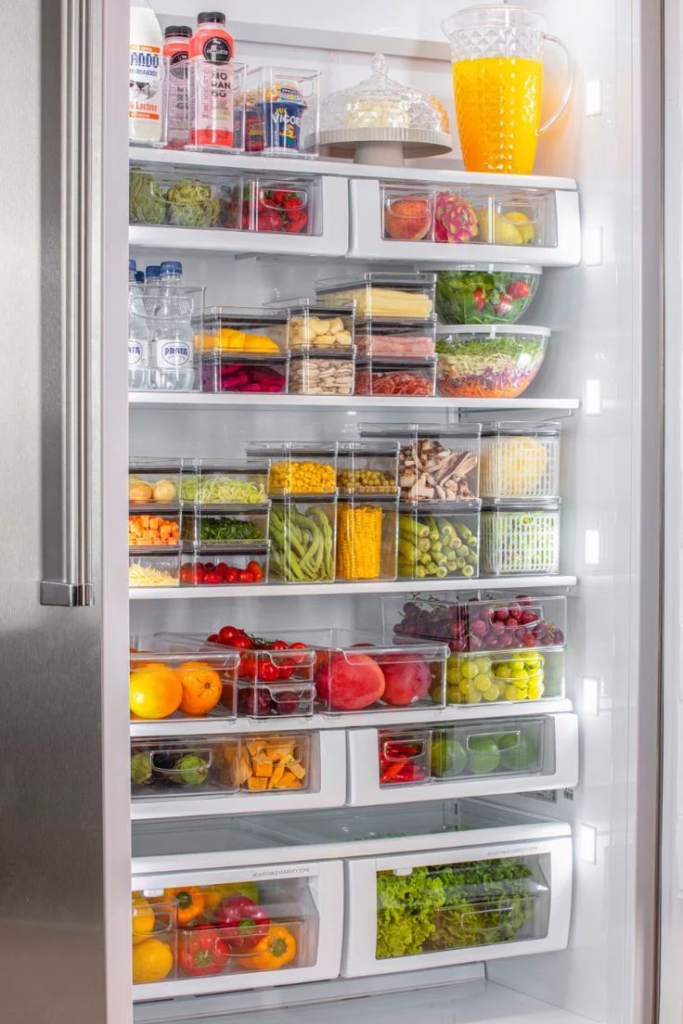
Ready to tackle the task? Don’t just start shoving things back in. Follow this professional blueprint for lasting results.
1. Empty and Clean Your Fridge First
This is non-negotiable. Pull everything out—yes, everything. As you do, place items on your countertop. This is your moment to assess what you have. While the fridge is empty, remove shelves and drawers and wash them with warm, soapy water. For a deep clean and to banish odors, wipe down the interior with a solution of water and white vinegar or baking soda. Dry thoroughly before reassembling.
2. Sort Food by Category
With your fridge clean and empty, group all your items on the counter. Create piles for dairy, fruits, vegetables, meats, condiments, drinks, and leftovers. This gives you a clear visual of your inventory and what categories need the most space.
3. Check Expiration Dates
While sorting, be ruthless. Toss anything that’s expired, moldy, or looks sad. Wipe down sticky jars and bottles before they go back in. This is also the perfect time to make a note of what you need to use up in the coming days.
10 Brilliant Fridge Organization Ideas to Maximize Your Space
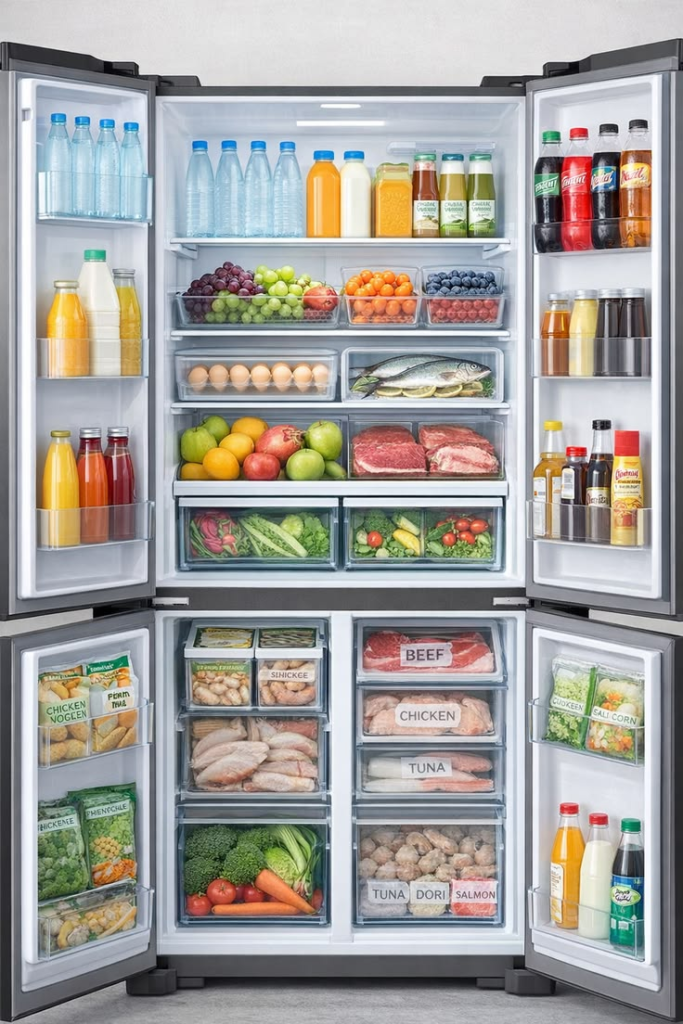
Now for the fun part: putting it all back together with intention. These creative solutions will help you optimize every square inch.
1. Use Clear Storage Bins
This is the cornerstone of any great refrigerator organizer ideas list. Clear plastic bins corral like items together—think all yogurts in one bin, cheese sticks in another, and condiment packets in a small one. They prevent items from rolling to the back and becoming lost, and because they’re transparent, you can see your inventory at a glance.
2. Label Everything
Take it up a notch by labeling your bins and shelves. A label maker or simple chalk labels create a designated spot for everything. This is a game-changer for households with multiple people; everyone knows where to find the snack bars and, more importantly, where to put them back.
3. Use Lazy Susans for Small Items
Those awkward jars of pesto, gochujang, and mustard constantly get lost on deep shelves. Place them on a small Lazy Susan (or turntable). Now, a simple spin brings every condiment to the front. It’s perfect for the jumble of jars on any shelf.
4. Store Drinks in a Separate Section
Dedicate a specific shelf or a large bin for beverages. This prevents a stray can of seltzer from rolling around and breaking eggs. It also contains the condensation and keeps the rest of your fridge shelves dry and organized.
5. Organize Fruits and Vegetables in Drawers
Your crisper drawers aren’t just one big box. Use them strategically. Many fridges have adjustable humidity:
- High Humidity: Store leafy greens, herbs, and thin-skinned veggies like asparagus. The closed setting traps moisture.
- Low Humidity: Store fruits like apples, pears, and stone fruits, which release ethylene gas and need more airflow to prevent premature spoilage.
6. Use Stackable Containers
Maximize vertical space by using stackable, airtight containers for leftovers or meal-prepped ingredients. Instead of piling random containers on top of each other, use a uniform set that locks together, creating a stable tower of food.
7. Keep Leftovers in One Zone
Designate a specific shelf or a clear bin as the “Eat Me First” zone for leftovers. This prevents that science experiment from forming in the back and encourages your household to grab those containers for lunch instead of ordering out.
8. Use Egg Holders
While many fridges come with a built-in egg tray, it often takes up valuable shelf space. Consider a stackable egg holder or a clear container that keeps your eggs secure and accessible, preventing accidents and broken shells.
9. Store Herbs Properly
Fresh herbs are expensive and notoriously finicky. Treat them like flowers: trim the ends, place them in a small jar or glass of water (like a bouquet), and store them in the fridge. This keeps herbs like cilantro and parsley crisp for up to two weeks.
10. Create a Snack Zone
If you have kids (or are a kid at heart), create a designated “snack zone” on a lower shelf. Fill small, easy-to-open bins with string cheese, yogurt tubes, applesauce pouches, and pre-cut veggies. This empowers everyone to grab their own snacks without rummaging through the entire fridge.
Smart Refrigerator Storage Tips for Long-Term Success
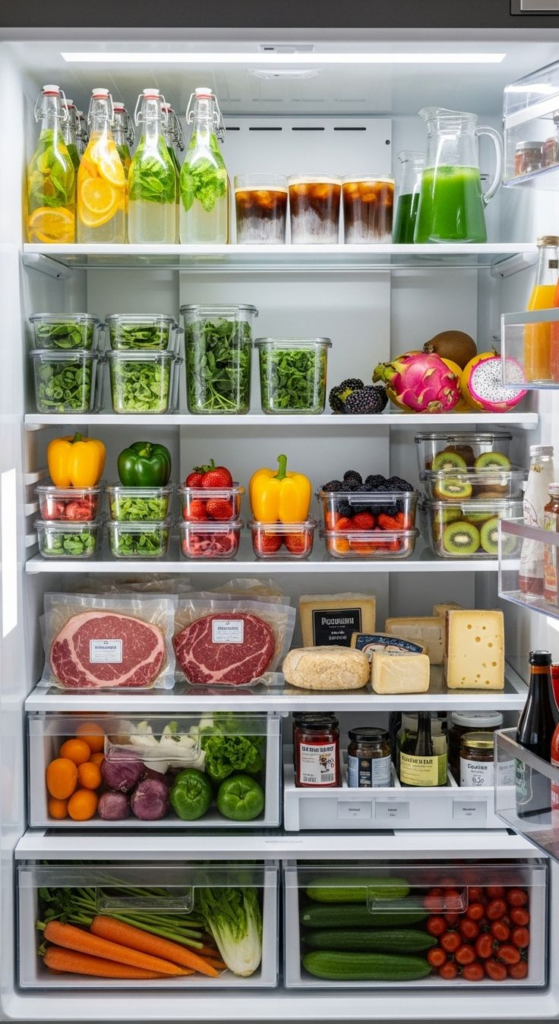
Maintaining your newly organized fridge is just as important as the initial setup. Keep these tips in mind:
- Keep Dairy in the Coldest Part: The top shelves are actually one of the most temperature-consistent zones, but the back of the bottom shelf is often coldest. Store milk and yogurt towards the back, not in the door (which is the warmest part).
- Avoid Overfilling the Fridge: A packed fridge restricts airflow, forcing the appliance to work harder and creating warm spots where bacteria can thrive. Aim for about 75-80% capacity for optimal cooling.
- Use Airtight Containers: Prevent odors from mingling and food from drying out by storing leftovers and opened ingredients in airtight containers.
- Rotate Food with the “FIFO” Rule: “First In, First Out.” When you put new groceries away, move the older items to the front. This ensures you use up what you have before it expires.
Common Fridge Organization Mistakes to Avoid
Even with the best intentions, it’s easy to fall back into bad habits. Steer clear of these common pitfalls:
- Overcrowding Shelves: We just mentioned it, but it’s worth repeating. A jam-packed fridge is an inefficient fridge.
- Not Using Storage Containers: Leaving items loose on shelves is a recipe for chaos. Bins and dividers are your best friends.
- Storing Food in the Wrong Temperature Zones: The fridge door is for condiments and items with natural preservatives (like juice), not for milk or eggs.
- Forgetting to Clean the Fridge Regularly: A quick weekly tidy-up and a deeper clean every month will prevent crumbs, spills, and odors from building up.
Best Fridge Organizers to Invest In
Ready to shop? Here are the MVP tools that make fridge organization effortless:
- Clear Acrylic or Plastic Bins: The workhorses of organization. Buy them in various sizes to fit your shelf depths.
- Drawer Dividers: Keep items within your crisper drawers separated and easy to access.
- Stackable Can Racks or Soda Dispensers: Maximize space for canned drinks.
- Lazy Susans: Essential for corner shelves and condiment management.
- Egg Organizers: Simple, stackable trays that protect your eggs and save space.
Frequently Asked Questions
What is the best way to organize a refrigerator?
The best method is to group items by category and store them in their optimal temperature zones. Use clear bins to corral small items, designate a zone for leftovers, and store produce in humidity-controlled drawers. The goal is visibility and easy access.
How often should you organize your fridge?
A full deep-clean and reorganization should happen about once a month. However, a quick 5-minute tidy-up before your weekly grocery run—checking for expiring items and wiping minor spills—will keep things manageable.
What foods should not be stored in the fridge?
Many common items actually fare better at room temperature. These include:
- Tomatoes: Cold destroys their flavor and texture.
- Onions and Potatoes: Store them in a cool, dark, dry place, but not together (onions can cause potatoes to sprout).
- Bread: The fridge actually makes bread go stale faster.
- Basil: Unlike other herbs, basil wilts in the cold. Store it on the counter like a flower.
- Coffee: It acts like a sponge in the fridge, absorbing odors and moisture.