
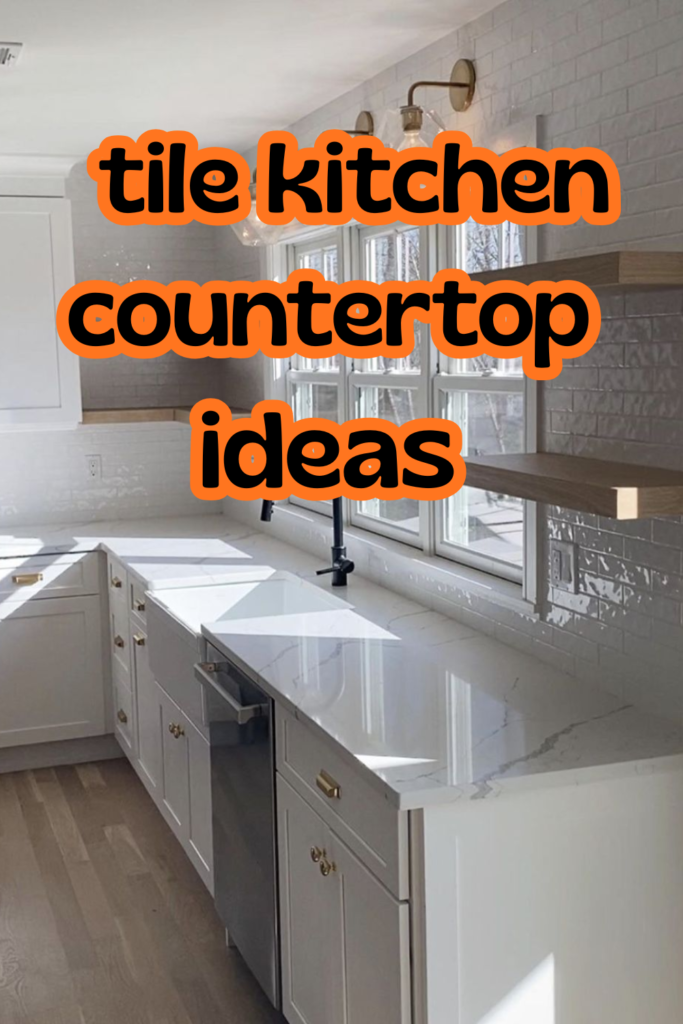
Tile kitchen countertops are making a major comeback —and for good reason. As someone who spends countless hours analyzing search trends and digital content, I’ve watched searches for tile kitchen countertop ideas climb steadily over the past year. Homeowners are discovering what designers have known for decades: tile offers an unbeatable combination of affordability, durability, and creative freedom.
Whether you’re planning a full kitchen renovation or just looking for a budget-friendly weekend upgrade, these tile kitchen countertop ideas will inspire you to create a space that’s both functional and uniquely yours. Let’s explore why tile deserves a spot in your kitchen and dive into ten stunning designs that work for every style and budget .
Why Choose Tile for Kitchen Countertops?
Before we get into specific designs, let’s address the practical reasons tile has become such a popular choice for kitchen surfaces.
Affordable Alternative to Stone Countertops
Natural stone countertops like marble and granite can easily run $60-$100 per square foot installed. Tile kitchen countertops, by contrast, typically cost between $10 and $30 per square foot, including materials and installation. If you’re handy with tools, you can save even more by tackling the project yourself .
Endless Design and Color Options
When you choose tile for kitchen countertops, you’re not limited to whatever slabs your local stone yard happens to have in stock. Tile offers thousands of colors, patterns, sizes, and finishes. From hand-painted Moroccan designs to realistic stone-look porcelain, the possibilities are virtually limitless .
Durable and Easy to Maintain
High-quality porcelain and ceramic tiles are incredibly hard and heat-resistant. They won’t burn or scorch like laminate, and they don’t require the regular sealing that natural stone demands. Glazed tiles create a non-porous surface that resists stains from coffee, wine, and tomato sauce .
Stunning Tile Kitchen Countertop Ideas
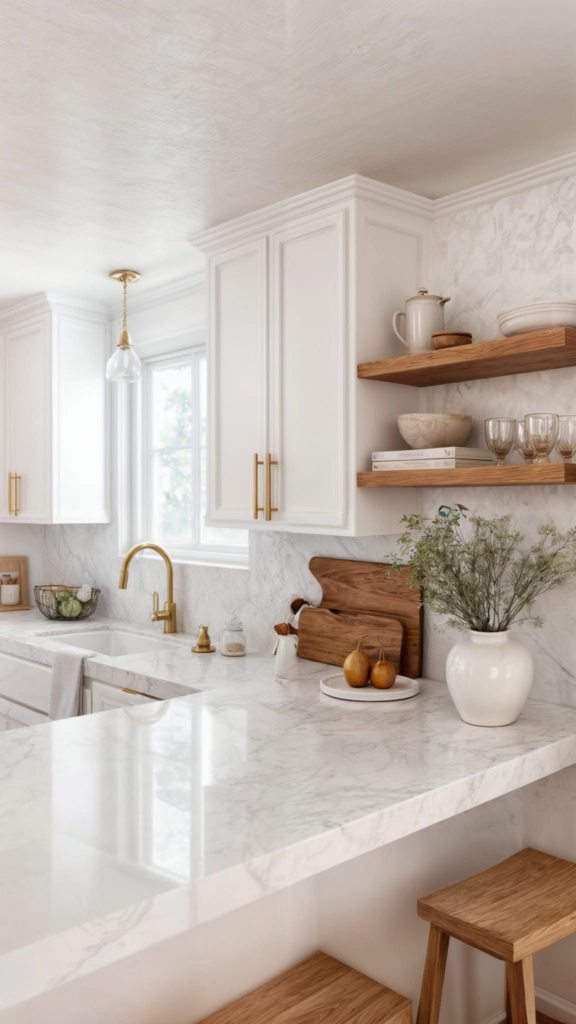
Here are my top ten favorite tile kitchen countertop ideas, each offering something unique for different kitchen styles and personal preferences.
1. Classic White Subway Tile Countertop
You can’t go wrong with subway tile. Those rectangular 3×6-inch tiles create a clean, timeless look that works beautifully in modern, farmhouse, and transitional kitchens. For countertops, consider using a darker grout—charcoal or even black—to define each tile and make maintenance easier. The contrast adds visual interest while helping hide everyday wear .
2. Marble Look Tile Countertop
Love the elegance of marble but not the price tag or maintenance? Large-format porcelain tiles that mimic Carrara or Calacatta marble deliver that same luxurious veining at a fraction of the cost. These tiles are practically indestructible compared to real marble, which etches and stains easily. Choose oversized tiles to minimize grout lines and achieve that seamless slab aesthetic .
3. Black Matte Tile Countertop
For a bold, contemporary statement, consider black matte tiles. This creates dramatic contrast against white cabinets and light-colored walls. Black countertops are also incredibly forgiving—they hide water spots, crumbs, and everyday smudges remarkably well. Use large square tiles with thin grout lines for a sleek, monolithic appearance .
4. Patterned Moroccan Tile Countertop
Want your kitchen to feel like art? Patterned encaustic-look tiles bring personality and color to any space. These work best when used selectively—perhaps on a kitchen island or a coffee station—rather than across every surface. Keep surrounding cabinetry simple to let the pattern shine .
5. Large Format Porcelain Tile Countertop
If your goal is a minimalist, seamless look, large-format porcelain tiles (12×24 inches or larger) are your best friend. Fewer grout lines mean less cleaning and a more sophisticated appearance. Many porcelain tiles now convincingly mimic concrete, linen, or weathered wood, opening up even more design possibilities .
6. Rustic Terracotta Tile Countertop
Terracotta tiles bring warmth and old-world charm to Mediterranean, Spanish, or farmhouse kitchens. Their natural reddish-orange tones create an inviting, lived-in feel. Seal them thoroughly—terracotta is more porous than ceramic—and pair with wrought iron hardware and warm wood accents .
7. Geometric Tile Countertop Design
Hexagons, elongated hexagons, chevrons, and herringbone patterns add visual rhythm to your kitchen. These geometric arrangements work especially well as accent strips along a counter edge or behind the cooktop. Choose two complementary colors to make the pattern pop .
8. Glossy Ceramic Tile Countertop
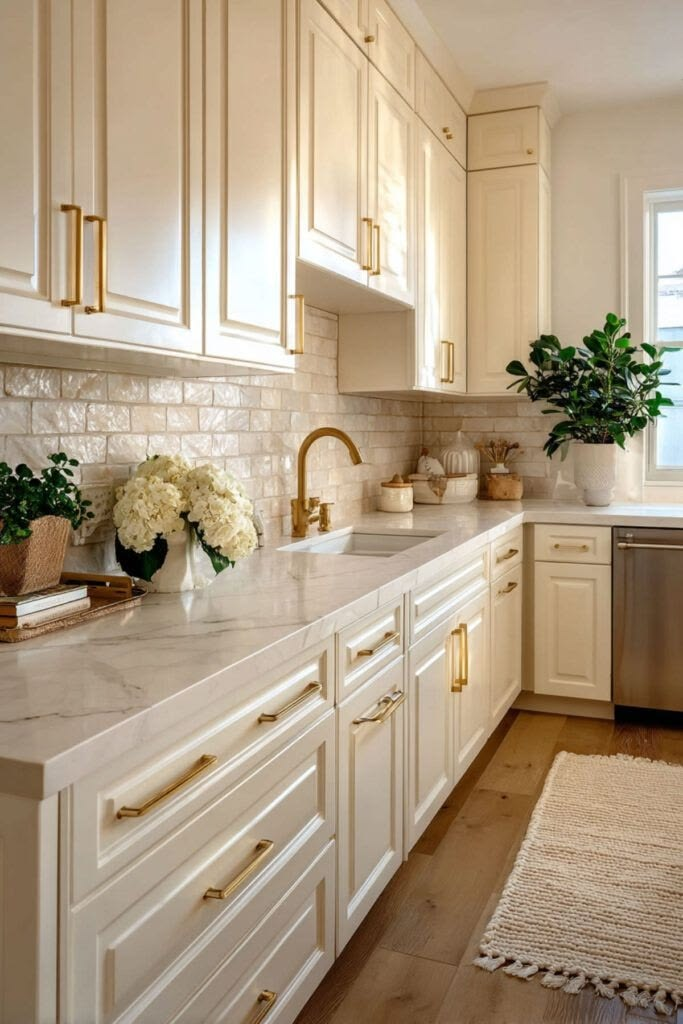
Glossy finishes reflect light beautifully, making small or dark kitchens feel brighter and more spacious. White or cream glossy ceramic tiles bounce light around the room while providing a classic backdrop for colorful accessories. Just be aware that glossy surfaces show water spots more readily than matte finishes .
9. Mosaic Tile Kitchen Countertop
For a truly unique, artistic surface, consider mosaic tiles. Small glass, ceramic, or stone pieces arranged in intricate patterns create texture and visual depth. Broken tile mosaics—sometimes called “pique assiette”—turn broken china and tiles into whimsical, personalized countertops that are genuine conversation starters .
10. Neutral Beige Tile Countertop
Beige and cream tiles offer timeless warmth without the starkness of bright white. These neutral tones pair effortlessly with any cabinet color and provide a forgiving surface that hides daily wear. Choose textured tiles to add subtle interest while maintaining that calm, collected look .
Best Tiles to Use for Kitchen Countertops
Not all tiles perform equally well on countertops. Based on durability and maintenance requirements, here are your best options:
- Porcelain tiles: The top choice for countertops. They’re denser and harder than ceramic, with water absorption below 0.5%. Perfect for high-traffic kitchens .
- Ceramic tiles: More affordable and available in countless designs. Choose glazed ceramic for best stain resistance .
- Natural stone tiles: Granite, marble, or travertine tiles offer luxury appeal but require regular sealing .
- Glass tiles: Non-porous and light-reflective, ideal for accent areas but more prone to showing water spots .
Pros and Cons of Tile Kitchen Countertops
Let’s be honest about what works well and what requires extra consideration.
Pros:
- Budget-friendly compared to solid surface materials
- DIY-friendly for skilled homeowners
- Heat-resistant and durable
- Individual tile replacement if damage occurs
- Endless style options
Cons:
- Grout lines require regular cleaning and sealing
- Uneven surface can challenge rolling dough
- Potential chipping if heavy items fall
- Installation complexity for perfect results
Tips for Designing a Stylish Tile Kitchen Countertop
Ready to move forward with your project? Keep these professional tips in mind:
Choose darker grout for easy maintenance. Light grout shows every stain. Epoxy grout resists staining better than cement-based options .
Match or coordinate with your backsplash. Creating a seamless transition between counter and backsplash makes small kitchens feel larger .
Use larger tiles to reduce grout lines. Fewer grout lines mean less cleaning and a more slab-like appearance .
Seal grout properly. Even with epoxy grout, annual sealing protects against moisture and stains .
Order extra tiles. Buy 10-15% more than you need, and keep a few labeled with the dye lot and grout color for future repairs .
Conclusion
Tile kitchen countertops offer an inspired blend of affordability, durability, and design flexibility that few other materials can match. Whether you’re drawn to classic white subway tile, bold Moroccan patterns, or sleek marble-look porcelain, these tile kitchen countertop ideas can transform your kitchen into a space that’s both beautiful and functional.
Ready to start your project? The perfect tile is waiting to become the centerpiece of your kitchen. And remember—in the digital world, we often say content is king, but in your kitchen, tile just might wear the crown.