
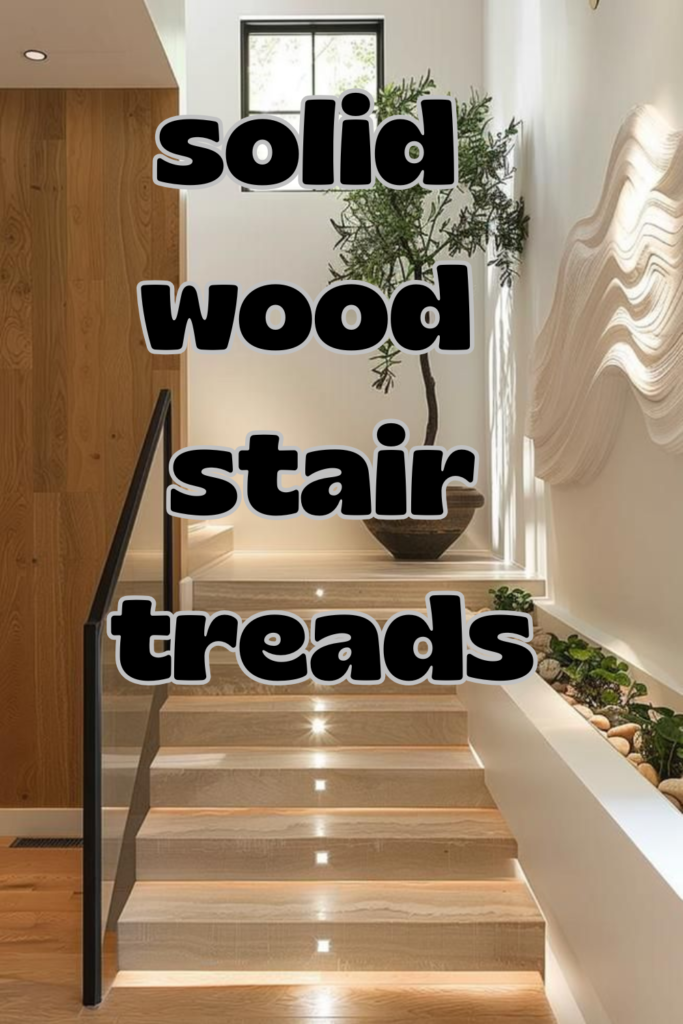
When homeowners think about interior design upgrades, staircases rarely top the list — yet they’re one of the most-used surfaces in any home. Replacing or installing wood stair treads is one of the highest-impact renovations you can make, transforming a dated staircase into a stunning architectural feature. Solid hardwood stair treads bring warmth, character, and lasting value that carpet or laminate simply can’t match. Whether you’re planning a full stair renovation or exploring wooden stair covers to refresh existing steps, this guide covers everything you need to know. From choosing the right species to installation tips and maintenance, you’ll walk away ready to make the best decision for your home.
Why Choose Solid Wood Stair Treads?
Durability & Longevity
Solid wood is remarkably tough. A properly installed and sealed hardwood tread can last 50 to 100 years — often outlasting the house itself. Unlike laminate or vinyl, hardwood withstands heavy foot traffic without deteriorating at the core.
Timeless Aesthetic Appeal
Few materials age as gracefully as real wood. The natural grain patterns, color variations, and texture of hardwood stair treads complement virtually every interior style, from farmhouse to contemporary. As design trends shift, solid wood remains relevant.
Increases Home Value
Real estate professionals consistently note that hardwood flooring — including staircases — increases resale value. Buyers recognize quality, and a solid wood staircase signals craftsmanship and care. It’s one of the few renovations that typically returns close to its full cost at resale.
Easy to Refinish and Maintain
Unlike engineered or composite materials, solid wood can be sanded and refinished multiple times. Scratches, dents, or worn finishes are never permanent — a fresh refinish restores the tread to like-new condition. For long-term ownership, this is an enormous advantage.
Best Types of Wood for Stair Treads
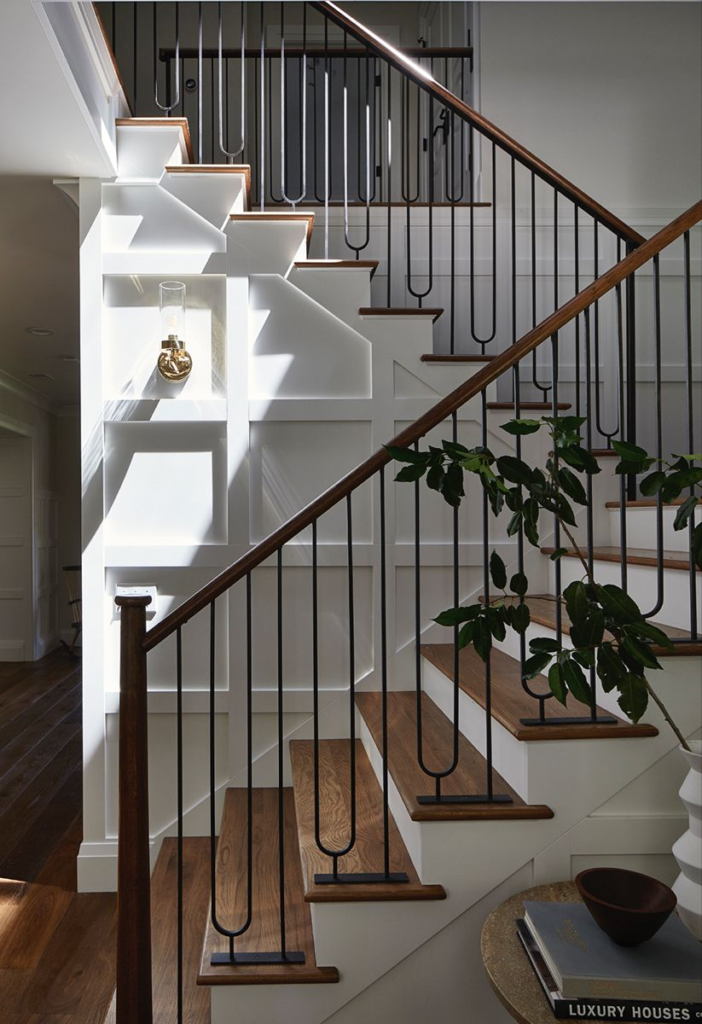
Oak Stair Treads
Pros: Oak is the most popular choice for good reason — it’s extremely hard, widely available, and takes stain beautifully. Red oak has a warm, classic tone; white oak offers a more neutral, modern look.
Cons: The open grain can require grain filler for ultra-smooth finishes. Pricing is moderate.
Best for: Traditional, transitional, and modern farmhouse interiors.
Maple Stair Treads
Pros: Maple is one of the hardest domestic species, making it highly resistant to denting. Its tight, fine grain produces a clean, contemporary look.
Cons: It’s notoriously difficult to stain evenly due to its density. Natural or lightly tinted finishes work best.
Best for: Modern minimalist and Scandinavian-inspired homes.
Walnut Stair Treads
Pros: Walnut’s rich, dark chocolate tones are simply stunning. It’s softer than oak but still durable enough for stair use, and it machines beautifully.
Cons: It’s one of the pricier domestic hardwoods. Softer than oak or maple, so it may show wear faster in high-traffic homes.
Best for: Luxury interiors, mid-century modern, and contemporary designs.
Hickory Stair Treads
Pros: The hardest common domestic hardwood. Its dramatic grain and color variation give it a bold, rustic character. Exceptional resistance to wear.
Cons: The wild grain variation isn’t to everyone’s taste and can be harder to match across a full staircase.
Best for: Rustic, country, and craftsman-style homes.
Stunning Solid Wood Stair Tread Design Ideas
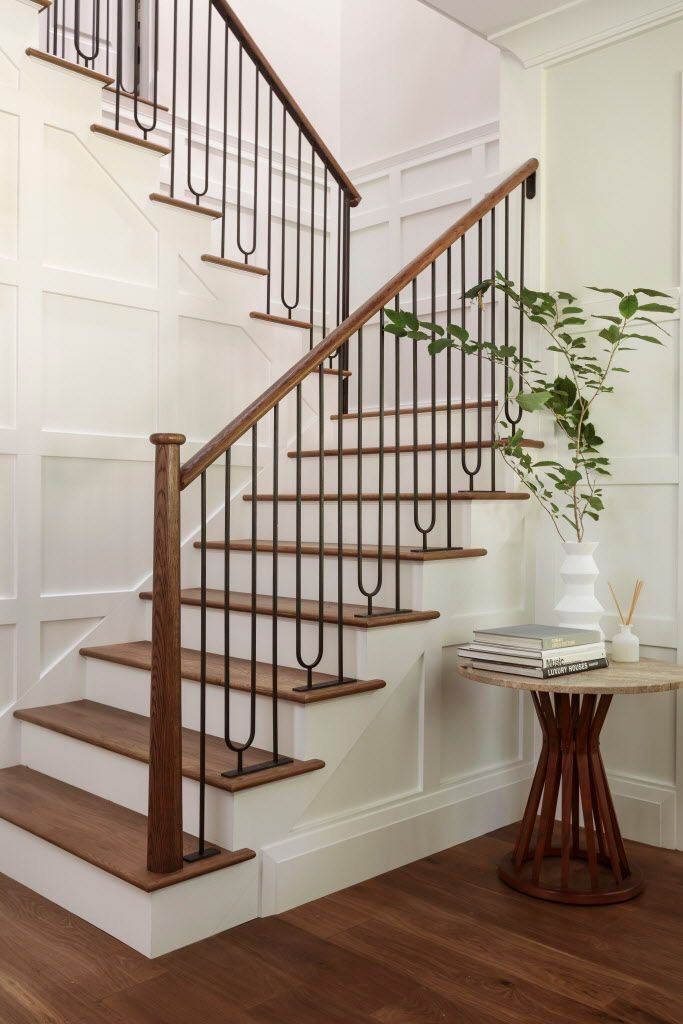
Floating Wood Stair Treads
Treads appear to “float” without visible support structure — a striking effect in open-plan contemporary homes. Typically cantilevered from a central steel stringer or wall-mounted brackets.
Rustic Reclaimed Wood Look
Reclaimed barn wood or distressed treads introduce instant character and history. The natural wear marks and imperfections become design features rather than flaws — great for farmhouse or industrial aesthetics.
Modern Minimalist Staircase
Clean lines, consistent color, and no visible hardware define this look. White oak or maple with a matte finish paired with glass or cable railings creates an airy, sophisticated result.
Two-Tone Wood Stairs
Combining species or finishes — for example, white risers with dark walnut treads — adds visual depth and contrast without overwhelming the space.
Open Riser Wood Staircase
Removing solid risers creates a light, open feeling ideal for smaller spaces. The exposed tread edges become a design detail, so quality hardwood with crisp, clean edges is essential.
Solid Wood Stair Treads vs. Engineered Wood
| Feature | Solid Wood | Engineered Wood |
|---|---|---|
| Cost per tread | $40–$150+ | $20–$80 |
| Refinish potential | Multiple times | Once or twice (thin veneer) |
| Moisture resistance | Moderate | Better |
| Lifespan | 50–100 years | 20–30 years |
| Authenticity | 100% real wood | Wood veneer over plywood |
| Best environment | Climate-controlled interiors | Basements, humid areas |
Verdict: For interior staircases in climate-controlled homes, solid wood is the superior long-term investment. Engineered wood makes sense in high-humidity environments or where budget is the primary constraint.
Installation Tips for a Staircase Makeover
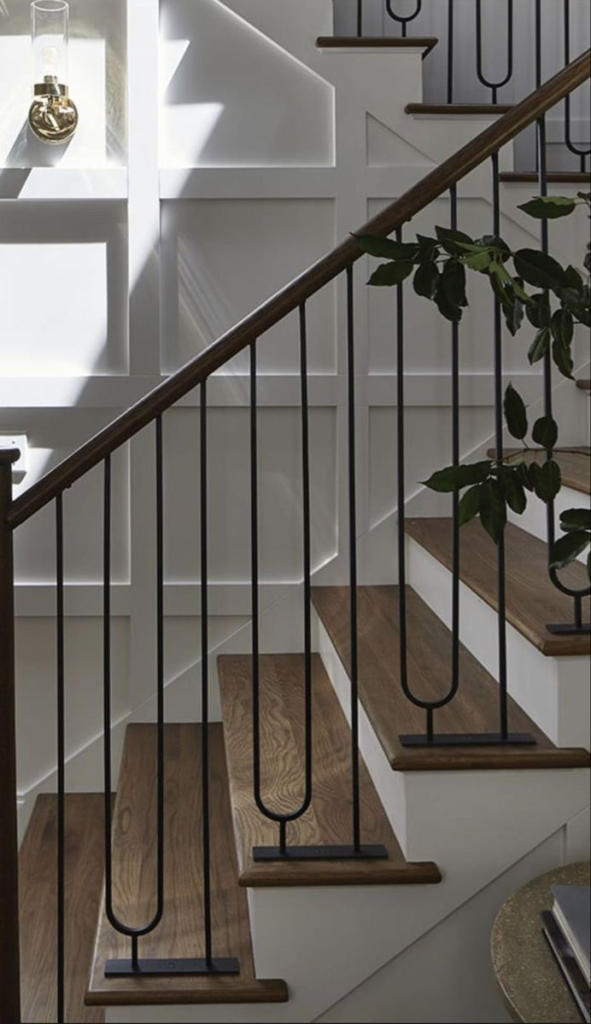
DIY vs. Professional Installation
Experienced DIYers can handle wood stair tread installation, but it requires patience and precise measurement. Crooked cuts are highly visible on staircases. For floating treads or structural changes, professional installation is strongly recommended.
Measuring Correctly
Measure each tread individually — stair dimensions vary even within a single staircase. Standard tread depth is 10–11 inches; width typically matches the staircase opening. Always add ½ to 1 inch of nosing overhang for both safety and aesthetics.
Finishing & Sealing Tips
Apply at least two to three coats of polyurethane, oil-based finish, or hardwax oil specifically rated for floors. Stair treads take far more abuse than flat flooring, so don’t skimp on the finish. Lightly sand between coats for adhesion.
Safety Considerations
Ensure treads are firmly secured — no flex or movement. Add non-slip nosing strips or choose a finish with added texture (satin rather than high-gloss) to reduce slip risk, especially important in homes with children or elderly residents.
Cost of Solid Wood Stair Treads
Material cost: Solid oak treads typically run $40–$80 each; walnut can reach $100–$150+. A typical 13-step staircase might run $500–$1,500 in materials alone.
Installation cost: Professional installation adds $30–$80 per tread in labor, bringing total project costs to roughly $1,000–$3,000 for a standard staircase.
Budget tips:
- Use wood step covers (also called wood steps cover overlays) to cap existing treads rather than full replacement — this cuts both material and labor costs significantly.
- Choose red oak over specialty species for the best balance of quality and price.
- Source treads from lumber yards rather than home improvement stores for better pricing and selection.
Maintenance & Care Guide
Cleaning: Sweep or vacuum regularly to prevent grit from scratching the finish. Use a damp (never wet) mop with a pH-neutral hardwood cleaner. Avoid steam mops entirely.
Preventing scratches: Add felt pads under furniture legs on adjacent landings. Address pet nails and shoes with metal hardware (think stilettos) as primary culprits for surface damage.
Refinishing timeline: In a typical family home, plan for light screening and recoating every 3–5 years and a full sand-and-refinish every 15–25 years depending on traffic and wear.
Frequently Asked Questions
Are solid wood stair treads worth it? Yes, for most interior staircases. The combination of longevity, refinish potential, and aesthetic value makes solid wood a sound long-term investment compared to any alternative.
What is the best wood for stair treads? Oak (white or red) is the best all-around choice for most homeowners — hard, widely available, beautiful, and reasonably priced. Maple is ideal for modern aesthetics; walnut for luxury interiors.
How thick should wood stair treads be? The standard thickness is 1 inch (¾” finished) for replacement treads, or up to 1½ inches for new construction applications. Thicker treads feel more substantial underfoot and are better suited for spanning wider openings.
Can you install wood stair treads over existing stairs? Yes — wooden stair covers are specifically designed for this purpose. They cap existing concrete, plywood, or old wood treads with a solid hardwood surface, making this one of the most cost-effective stair renovation approaches available.
Upgrading to solid wood stair treads is one of those rare home improvements that looks great immediately, improves with age, and adds measurable value to your property. Whether you go with classic oak, dramatic walnut, or explore wood steps cover solutions for a budget-conscious renovation, the result will be a staircase you’re genuinely proud of every single day.