
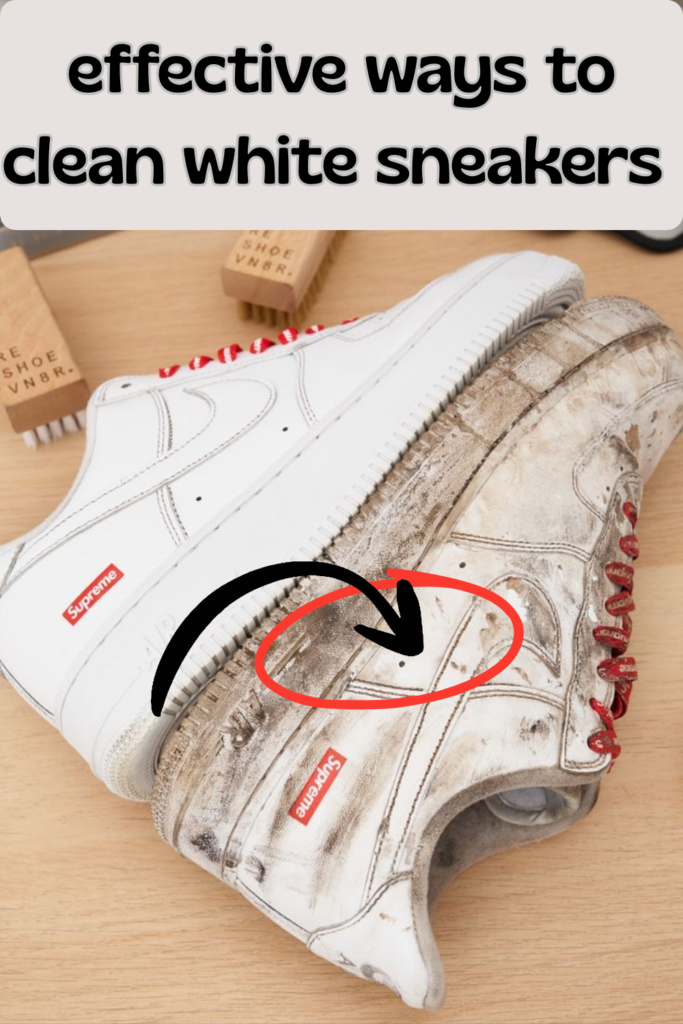
Your once-pristine white sneakers now look dull, yellowed, and covered in stubborn stains. You’ve tried wiping them down, but nothing seems to work. Sound familiar? You’re not alone—keeping white shoes white is one of the most common footwear frustrations, but the good news is that you can restore them to their original brilliance with the right techniques.
Whether your sneakers are canvas, leather, or mesh, this guide will show you safe, effective methods to clean white sneakers without causing damage. These proven techniques are trending on Pinterest for a reason: they actually work. Let’s dive into how to wash white shoes properly and bring back that box-fresh look you love.
Why White Sneakers Get Dirty So Fast
Understanding why your white kicks lose their shine helps you prevent future staining. White sneakers act like magnets for dirt because of their light color, but several specific factors accelerate the discoloration process.
Dust and pollution from urban environments settle into the fabric and texture of your shoes with every step. City sidewalks, parking lots, and even indoor floors transfer microscopic particles that accumulate over time, creating that dingy gray appearance.
Sweat and bacteria from your feet create moisture inside the shoe, which can lead to yellowing on the interior and odor buildup. This biological activity is natural but contributes significantly to that worn-out look, especially around the collar and tongue areas.
Incorrect cleaning methods often make matters worse rather than better. Using harsh chemicals like bleach or abrasive scrubbing can damage materials, cause discoloration, and break down protective coatings that actually help shoes repel dirt.
Weather conditions and daily wear compound the problem. Rain splashes up mud and grime, while summer heat intensifies sweat production. Even routine walking on grass or gravel leaves its mark, gradually transforming brilliant white into a dull, stained mess.
What You Need Before Cleaning White Sneakers
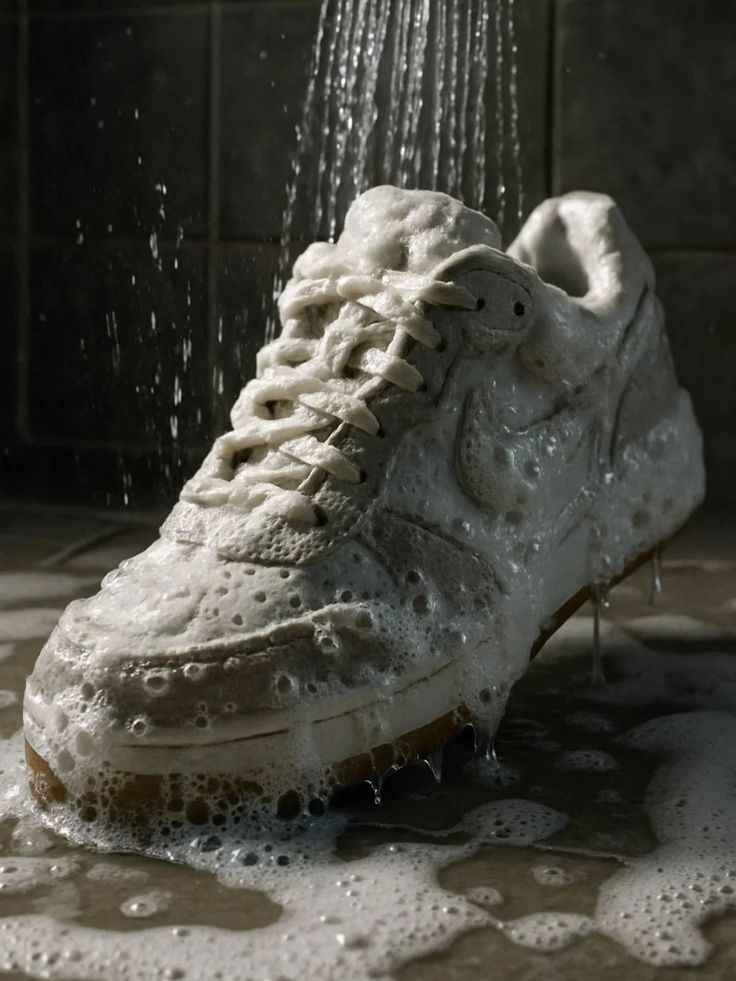
Gathering the right supplies before you start makes the cleaning process smoother and more effective. You don’t need expensive specialized products—most of what you need is probably already in your home.
Basic Cleaning Supplies
A soft-bristled brush or an old toothbrush serves as your primary cleaning tool. The soft bristles lift dirt without scratching or damaging the shoe material, reaching into textured surfaces and seams where grime hides.
Mild detergent or dish soap provides gentle yet effective cleaning power. Choose formulas without harsh additives or bleach alternatives, as these can cause unexpected discoloration on certain materials.
Baking soda and white vinegar are your secret weapons for tackling tough stains naturally. These household staples create a gentle chemical reaction that breaks down dirt and neutralizes odors without the risks associated with commercial cleaners.
Microfiber cloths absorb water efficiently and won’t leave lint behind on your freshly cleaned shoes. Keep several on hand—you’ll need them for applying cleaning solutions and drying.
Warm water acts as the foundation for most cleaning methods. It should be comfortably warm to the touch but not hot, as excessive heat can weaken adhesives and damage certain shoe materials.
How to Clean White Sneakers Step by Step
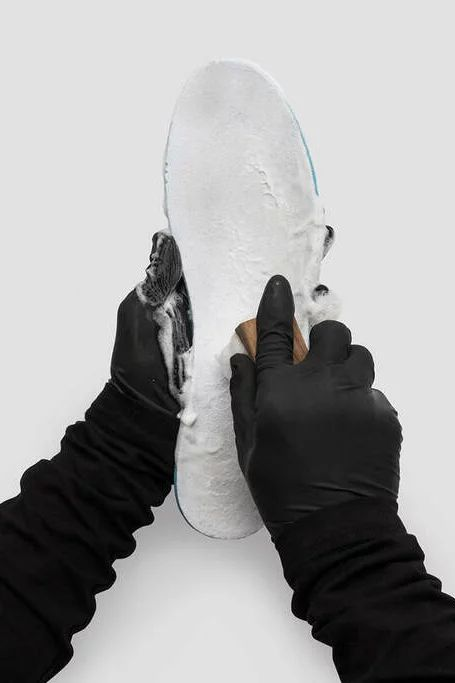
Following a systematic approach ensures thorough cleaning while protecting your shoes from damage. Each step builds on the previous one, gradually restoring your sneakers’ original appearance.
Step 1: Remove Laces and Insoles
Take out the shoelaces and lift out the insoles before beginning the cleaning process. This allows you to clean these components separately and ensures you can reach every part of the shoe. Soak laces in warm soapy water while you work on the shoes themselves, and hand wash insoles gently to avoid breaking down their cushioning structure.
Step 2: Dry Brush Loose Dirt
Use your soft brush to remove loose dirt, dust, and debris from the entire shoe surface. Brush in the direction of the material’s grain or texture, paying special attention to the sole edges where dirt accumulates. This preliminary step prevents you from grinding dry dirt into the material when you apply wet cleaning solutions.
Step 3: Clean the Upper
The cleaning approach for the upper part of your shoe depends entirely on the material. Each type requires specific care to avoid damage.
For canvas sneakers, mix two tablespoons of mild detergent with warm water to create a gentle cleaning solution. Dip your brush into the mixture, then work it into the canvas using small circular motions. The fabric structure of canvas can handle moderate scrubbing, but avoid saturating the material completely as this can weaken the glue holding the shoe together.
For leather white shoes, use a damp microfiber cloth with just a drop of mild soap. Leather requires a gentler touch than canvas—excessive water can cause staining and stiffness. Wipe the surface systematically rather than scrubbing, and immediately follow with a dry cloth to remove moisture. Consider applying a leather conditioner after cleaning to maintain the material’s suppleness.
For mesh sneakers, exercise extreme caution as mesh is the most delicate material. Use a very soft brush with minimal pressure, and apply cleaning solution sparingly. The open weave of mesh makes it prone to snagging and tearing, so gentle dabbing motions work better than circular scrubbing.
Step 4: Clean the Soles
The rubber soles can handle more aggressive cleaning than the uppers. Create a paste using baking soda and a small amount of water, then apply it to the sole with your brush. Scrub vigorously—rubber is durable enough to withstand firm pressure. For white midsoles that have yellowed, this baking soda paste is particularly effective at restoring brightness.
Step 5: Rinse and Dry Properly
Wipe away all cleaning solution residue with a clean, damp cloth. Any soap left behind can attract new dirt or create streaking once dry. Stuff the shoes with white paper towels or newspaper to help them maintain their shape and absorb interior moisture. Place them in a well-ventilated area away from direct heat sources and sunlight, which can cause yellowing. Allow 24 hours for complete drying.
Best Home Remedies to Clean White Sneakers
These natural methods have earned their popularity through proven effectiveness and safety for most shoe materials.
Baking Soda and Vinegar Method
Combine one tablespoon of baking soda, one tablespoon of white vinegar, and one tablespoon of warm water to create a powerful cleaning paste. The mixture will fizz—this reaction helps lift stubborn stains from the material. Apply with a brush using gentle circular motions, let it sit for 15 minutes, then wipe clean with a damp cloth. This method excels at removing ground-in dirt and restoring brightness to dingy canvas.
Toothpaste Trick
Non-gel white toothpaste works surprisingly well for spot-cleaning scuff marks and minor stains. Apply a small amount directly to the stain, work it in with a damp toothbrush, and let it sit for 10 minutes before wiping away. The mild abrasives in toothpaste gently polish away surface marks without damaging the material underneath. This trick is especially effective on rubber toe caps and sole edges.
Soap and Warm Water Method
Sometimes simplicity wins. Mix two teaspoons of dish soap in a bowl of warm water, then use this solution with a soft brush to clean the entire shoe. This gentle approach works well for regular maintenance cleaning when your shoes aren’t heavily soiled. It’s safe for all materials and rinses away cleanly without leaving residue.
Mistakes That Ruin White Sneakers
Avoiding these common errors protects your investment and extends your shoes’ lifespan significantly.
Using bleach seems logical for whitening, but it actually causes yellowing over time, especially on canvas and synthetic materials. The harsh chemicals also weaken fibers and break down adhesives that hold your shoes together. Even diluted bleach creates more problems than it solves.
Putting sneakers in the dryer subjects them to intense heat that melts adhesives, warps rubber, and shrinks certain materials. The tumbling action also damages shoe structure and can cause permanent creasing. The damage often isn’t immediately visible but shortens your shoes’ lifespan dramatically.
How to Keep White Sneakers Looking New Longer
Prevention requires less effort than restoration, making these maintenance habits worthwhile investments of your time.
Apply a protective spray designed for your shoe material before the first wear and reapply every few weeks. These sprays create an invisible barrier that repels water, dirt, and stains, making cleanup easier when your shoes do get dirty. Choose products specifically formulated for your material type for best results.
Store shoes properly when not wearing them by keeping them in a cool, dry place away from direct sunlight. Use shoe trees or stuff them with paper to maintain their shape. Proper storage prevents creasing, yellowing, and material degradation during periods of non-use.
Frequently Asked Questions
Can you wash white sneakers in the washing machine?
Machine washing works for some canvas and synthetic sneakers, but it comes with risks. If you choose this method, remove laces and insoles first, place shoes in a mesh laundry bag, use cold water on a gentle cycle with mild detergent, and air dry completely. Never machine wash leather shoes or high-end sneakers, as the agitation and water exposure can cause irreversible damage.
How often should you clean white sneakers?
The frequency depends on wear patterns and environment. For daily wear in urban settings, perform a light cleaning weekly and a deep clean every three to four weeks. Shoes worn occasionally or in cleaner environments can go longer between cleanings. Address stains immediately for best results—the longer dirt sits, the harder it becomes to remove.
How do you remove yellow stains?
Yellow stains typically result from oxidation, improper drying, or bleach exposure. Create a paste using three parts baking soda to one part hydrogen peroxide, apply it to the yellowed areas, and place the shoes in indirect sunlight for two to three hours. The combination of peroxide and UV light helps reverse the oxidation process. Rinse thoroughly and air dry away from direct light. For persistent yellowing, repeat the treatment or consider using a specialized sneaker cleaning product designed for whitening.