
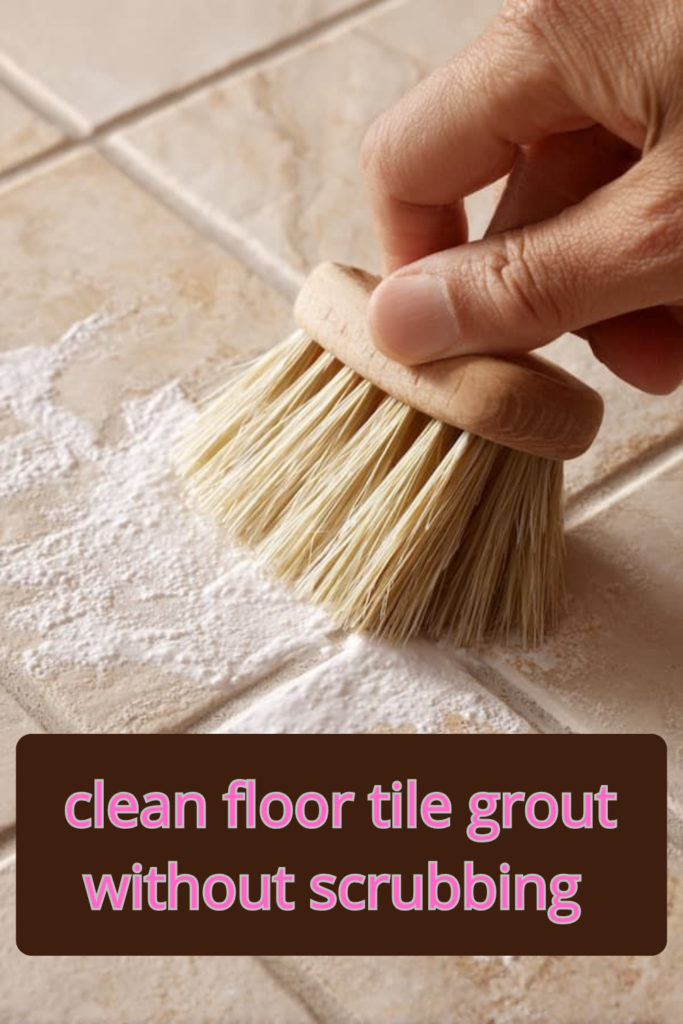
Staring at dirty, discolored grout lines between your beautiful floor tiles? You’re not alone. Scrubbing grout on your hands and knees is exhausting, time-consuming, and leaves your arms sore for days. The good news? You don’t need to scrub at all. In this guide, I’ll show you exactly how to clean floor tile grout without scrubbing using simple household items and smart techniques. Whether you’re looking for the best way to clean floor grout in your kitchen or bathroom, these beginner-friendly methods will save your time, energy, and knees.
Why Floor Tile Grout Gets Dirty So Fast
Before diving into cleaning solutions, understanding why grout becomes dirty helps you prevent future buildup. Grout is naturally porous, meaning it has tiny holes that trap dirt, moisture, and debris like a sponge. Every time you mop your floors, soap residue settles into these pores. Kitchen grout absorbs cooking grease and spills, while bathroom grout battles soap scum, body oils, and mold spores that thrive in humid environments.
Foot traffic constantly grinds dirt particles deeper into the grout surface. Traditional scrubbing may remove surface grime temporarily, but it doesn’t address what’s embedded in those pores. That’s why your grout looks dingy again within weeks. The solution isn’t harder scrubbing—it’s letting cleaning agents do the work for you by penetrating those porous surfaces and lifting dirt from within.
Things You’ll Need (No Harsh Scrubbing Tools)
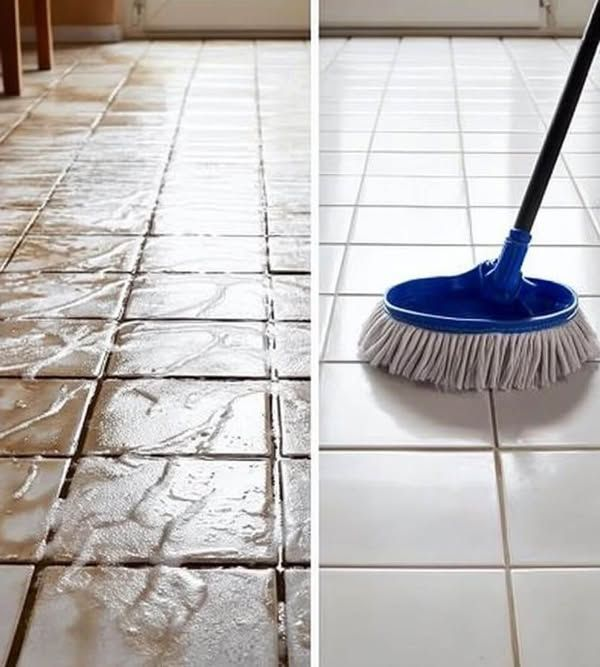
The beauty of learning how to clean floor tile grout lies in using simple, accessible supplies:
- Baking soda – gentle abrasive and natural deodorizer
- White vinegar – cuts through soap scum and dissolves mineral deposits
- Hydrogen peroxide (optional) – powerful whitening agent for stubborn stains
- Spray bottle – for easy application
- Microfiber cloth or mop – soft enough to wipe without scrubbing
- Warm water – helps activate cleaning solutions
These natural grout cleaner ingredients are non-toxic, budget-friendly, and already in most households. No expensive commercial products or harsh chemicals required.
Best Ways to Clean Floor Tile Grout Without Scrubbing
Baking Soda & Vinegar Method (Most Popular)
This dynamic duo creates a fizzing reaction that lifts dirt without manual scrubbing. Here’s the step-by-step process:
- Make a paste by mixing three parts baking soda with one part water
- Apply the paste directly along grout lines using your fingers or a spoon
- Fill a spray bottle with undiluted white vinegar
- Spray vinegar over the baking soda paste—you’ll see it bubble and foam
- Let the mixture sit for 10-15 minutes (this is where the magic happens)
- Wipe clean with a damp microfiber cloth or mop
The key to this no-scrub grout cleaner method is patience. The chemical reaction between baking soda and vinegar breaks down grime at a molecular level. As it fizzes, it penetrates grout pores and loosens embedded dirt. Simply wipe away the residue—no elbow grease needed.
Hydrogen Peroxide for Deep Cleaning
For white or light-colored grout that’s heavily stained, hydrogen peroxide offers professional-level results safely at home. This method works especially well on bathroom floors with mildew discoloration.
Mix equal parts hydrogen peroxide (3% concentration) and water in a spray bottle. Spray generously along grout lines and let sit for 30 minutes. For extra whitening power, sprinkle baking soda over the grout first, then spray the hydrogen peroxide solution. The combination creates a gentle bleaching effect without the harshness of chlorine bleach. After waiting, simply wipe with a damp cloth. The oxidizing action of hydrogen peroxide lifts stains from deep within grout pores.
Steam Cleaning Grout (Zero Chemicals)
Steam cleaners represent the ultimate no-scrub solution. High-temperature steam (around 200°F) kills bacteria, dissolves grease, and loosens dirt using only water vapor—no chemicals whatsoever.
Hold the steam cleaner nozzle about an inch above grout lines and move slowly along each section. The pressurized steam penetrates pores instantly, and you can wipe away loosened debris with a microfiber attachment. This method excels in kitchens where grease accumulates and bathrooms prone to mold. It’s ideal for families with children, pets, or anyone sensitive to cleaning product fumes. The investment in a quality steam cleaner pays off through years of chemical-free, scrub-free cleaning.
Store-Bought No-Scrub Grout Cleaners
When time is limited or stains are particularly stubborn, commercial products formulated specifically for grout can deliver quick results. Look for products labeled “no-scrub” or “spray and wipe” that contain oxygen bleach rather than chlorine.
Quality grout cleaners use enzymatic formulas that break down organic stains chemically. Apply according to package directions, typically spraying and waiting 5-10 minutes before wiping. Pros: fast results, minimal effort, often include grout sealers. Cons: more expensive than DIY methods, may contain harsh fumes, not always eco-friendly. Use these for occasional deep cleans or when hosting guests and needing immediate results.
Best Method by Grout Type
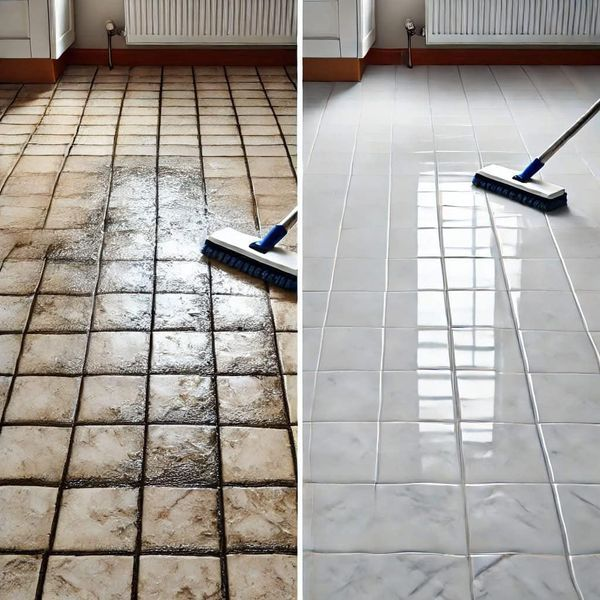
Different tile and grout combinations respond better to specific cleaning approaches:
Ceramic tile grout: The baking soda and vinegar method works perfectly. Ceramic is durable and handles mild acidity well. This combination effectively removes everyday dirt and soap residue without damaging tiles or grout.
Porcelain tile grout: Hydrogen peroxide solution is ideal here. Porcelain is non-porous and highly resistant to chemicals, allowing you to use stronger cleaning agents safely. The whitening power of peroxide restores grout to its original color.
Bathroom grout: Steam cleaning reigns supreme for bathrooms. The heat kills mold spores, sanitizes surfaces, and cuts through soap scum without introducing additional moisture (which actually evaporates quickly with steam). Regular steam cleaning prevents mildew from returning.
Kitchen floor grout: Baking soda paste followed by vinegar spray tackles kitchen grease best. The alkaline baking soda neutralizes acidic food stains, while vinegar dissolves greasy buildup. For heavy-use kitchens, repeat this treatment monthly.
How to Keep Grout Clean Longer (No Scrubbing Needed)
Prevention drastically reduces how often you’ll need deep cleaning:
- Seal grout properly: Apply grout sealer every 1-2 years to create a protective barrier that repels dirt and moisture. This single step makes the biggest difference in long-term grout maintenance.
- Quick weekly wipe: Spray a vinegar-water solution (1:1 ratio) and wipe grout lines during regular mopping. This prevents buildup before it starts.
- Avoid harsh cleaners: Acidic or abrasive cleaners wear down grout and remove protective sealant, making future dirt absorption worse.
- Use a grout-safe mop: Microfiber mops clean effectively without pushing dirty water into grout lines like traditional string mops do.
These habits take minimal time but prevent dirty grout from becoming a recurring problem.
Apply grout sealer every 1-2 years to create a protective barrier that repels dirt and moisture. For detailed guidance on proper sealing techniques, the Tile Council of North America provides industry-standard recommendations
Common Mistakes to Avoid
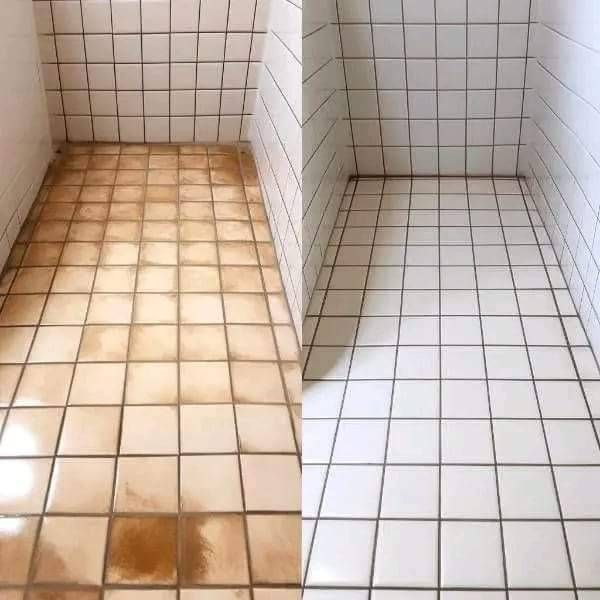
Even with no-scrub methods, certain practices can damage grout or reduce effectiveness:
Using metal brushes: Wire brushes scratch and gouge grout, creating rough surfaces that trap more dirt. Stick to soft cloths or nylon brushes if you must use one.
Bleach overuse: While bleach whitens, frequent use breaks down grout structure and removes sealant. It also produces harsh fumes and isn’t environmentally friendly. Save it for extreme mold situations only.
Scrubbing too hard: Aggressive scrubbing erodes grout over time, creating recessed lines that collect more debris. Trust chemical reactions and soaking time instead.
Skipping sealing: Unsealed grout is exponentially harder to maintain. Many people clean thoroughly but forget to seal, allowing the next round of dirt to penetrate even deeper.
FAQs
Can you really clean grout without scrubbing?
Yes, absolutely. Cleaning solutions like baking soda with vinegar, hydrogen peroxide, or steam penetrate grout pores and lift dirt chemically or with heat. Allowing proper soaking time (10-30 minutes) eliminates the need for physical scrubbing.
What is the fastest way to clean grout?
Commercial no-scrub grout cleaners offer the quickest results, typically requiring only 5-10 minutes of soaking. For DIY options, the baking soda and vinegar method works fastest, delivering visible results in about 15 minutes total.
Is vinegar safe for grout?
White vinegar is safe for most grout types when used occasionally. However, avoid using it frequently on natural stone tiles like marble or travertine, as acidity can etch the stone surface. For sealed cement-based grout, vinegar poses no risk.
How often should grout be cleaned?
Light maintenance (vinegar spray and wipe) should happen weekly. Deep cleaning with baking soda, peroxide, or steam is needed monthly for high-traffic areas like kitchens, or every 2-3 months for bathrooms and less-used spaces. Proper sealing extends time between deep cleans significantly.