
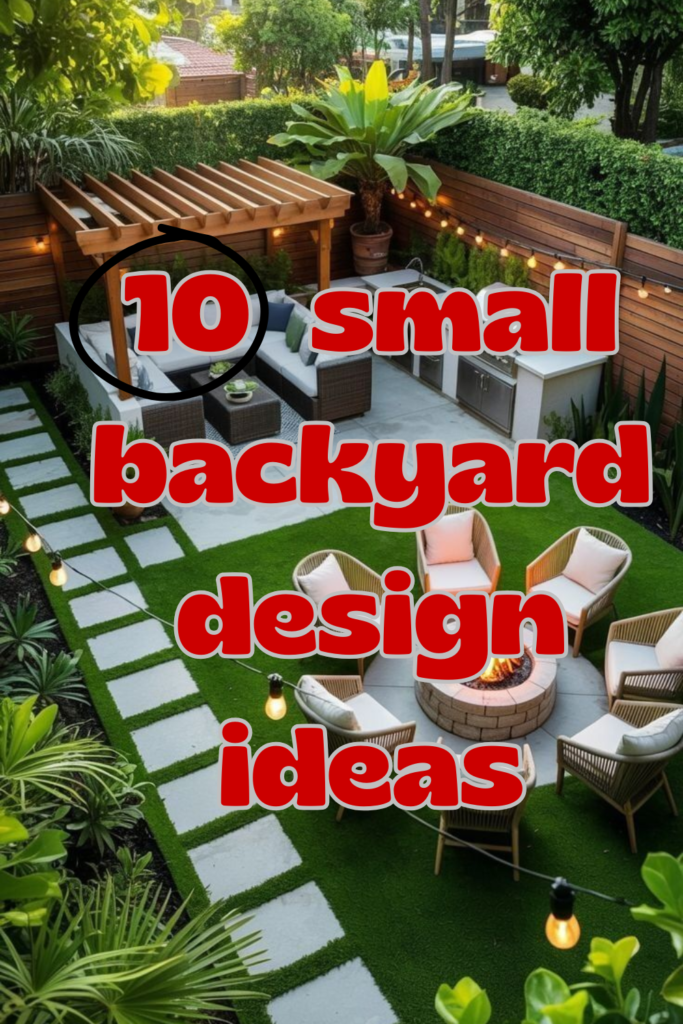
If you’ve ever stood in your tiny outdoor space and thought, “What on earth can I even do with this?” — you’re not alone. Millions of homeowners wrestle with limited square footage, dreaming of a lush, functional retreat but feeling stuck by the constraints of a compact yard. The good news? Small doesn’t have to mean sacrifice. With the right small backyard design ideas, even the most modest patch of outdoor space can become a stunning, fully livable extension of your home. In this guide, we’ll walk you through ten proven, budget-friendly upgrades and modern design strategies that create the illusion of space, maximize every inch, and genuinely delight anyone who steps outside. No major renovations required — just smart, intentional design choices that work.
Why Small Backyard Design Matters
Before diving into the ideas themselves, it’s worth understanding why design decisions carry so much weight in a small space. In a large yard, mistakes get lost in the landscape. In a compact one, every element is front and center — which means poor choices feel amplified, but great ones feel transformative.
Smart layout design creates visual illusions that trick the eye into perceiving more depth and width than actually exists. Strategic use of color, texture, and scale can make a 200-square-foot yard feel twice its size. Beyond aesthetics, a well-designed compact outdoor area increases your home’s value, extends your usable living space, and gives you a peaceful retreat right outside your door. Whether you’re working with a narrow city plot or a small suburban lawn, intentional design is the single most powerful tool in your arsenal.
1. Use Light Colors to Create an Open Feel
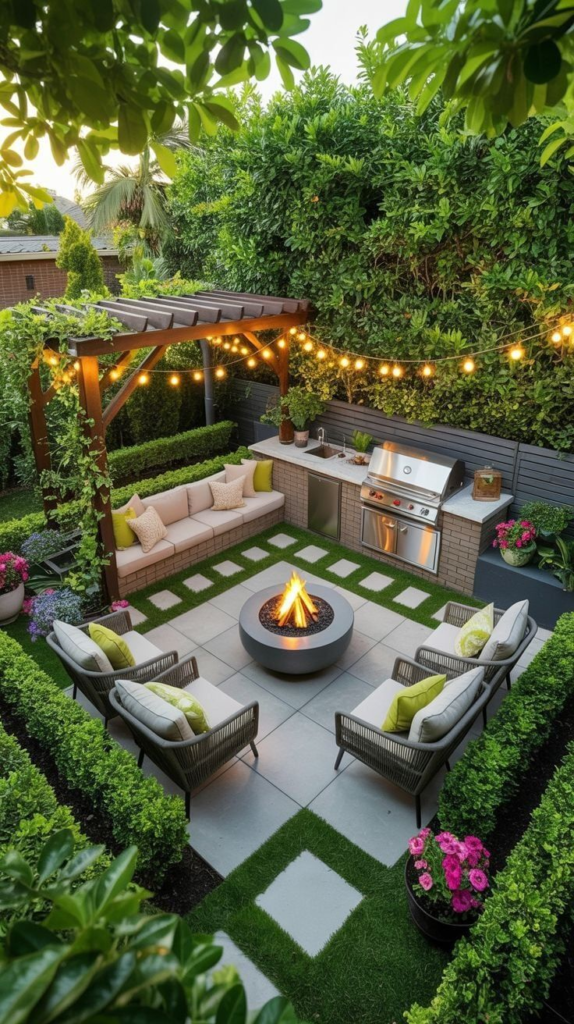
One of the most effective small backyard landscaping ideas is also the simplest: go light. Light-colored walls, fences, pavers, and furniture all reflect natural light rather than absorbing it, making your space feel brighter and more expansive.
Think crisp white fence panels, pale grey pavers, or soft sandy tones for outdoor cushions. These shades recede visually, pushing boundaries outward rather than closing them in. Pair light surfaces with greenery for contrast — the combination of soft neutrals and natural green creates a clean, airy Mediterranean aesthetic that photographs beautifully and feels spacious in person.
Practical tip: If repainting a fence feels too big a commitment, start with light-colored planters and cushion covers. It’s an affordable first step with a surprisingly dramatic impact on the overall atmosphere.
2. Add Vertical Gardens to Save Floor Space
When floor space is at a premium, the answer is to look up. Vertical gardens are one of the most popular tiny backyard ideas for a reason — they add lushness, color, and life to a space without consuming a single square foot of ground.
Install wall-mounted planters, trellises threaded with climbing plants like jasmine or clematis, or purpose-built vertical garden panels. These living walls not only save space but also act as natural privacy screens, muffling street noise and shielding your yard from neighboring sightlines.
Practical tip: Succulents and herbs are ideal for vertical arrangements — they’re low-maintenance, drought-tolerant, and incredibly photogenic. A herb wall near your outdoor dining area is both decorative and functional.
3. Choose Multi-Functional Outdoor Furniture
In a compact yard, every piece of furniture needs to earn its place. Multi-functional outdoor furniture — think ottomans with hidden storage, benches that double as planters, or folding tables that tuck away when not in use — is the cornerstone of efficient small-space design.
Invest in pieces that serve more than one purpose. A storage bench along the perimeter provides seating, tidies garden tools, and acts as a visual boundary. Nesting tables can expand for entertaining and collapse when you need more breathing room.
Practical tip: Avoid bulky, deep-seated sofa sets designed for sprawling patios. Instead, opt for slender-profile chairs and compact bistro sets — they keep pathways clear and prevent that crowded, cluttered feeling.
4. Install Mirrors to Expand Visual Space
It works indoors, and it works just as brilliantly outdoors. Strategically placing weather-resistant mirrors on fences or walls creates the illusion of depth, making your small backyard feel like it extends well beyond its actual boundaries.
A large framed mirror mounted at eye level on a garden wall can convincingly suggest a passage into another garden beyond — a classic trick borrowed from grand European garden design, scaled down for modern compact spaces.
Practical tip: Position mirrors to reflect your most attractive planting or a focal point like a tree. Avoid placing them where they’ll reflect harsh afternoon sun directly into seating areas, which can create uncomfortable glare.
5. Define Zones with Pavers or Gravel
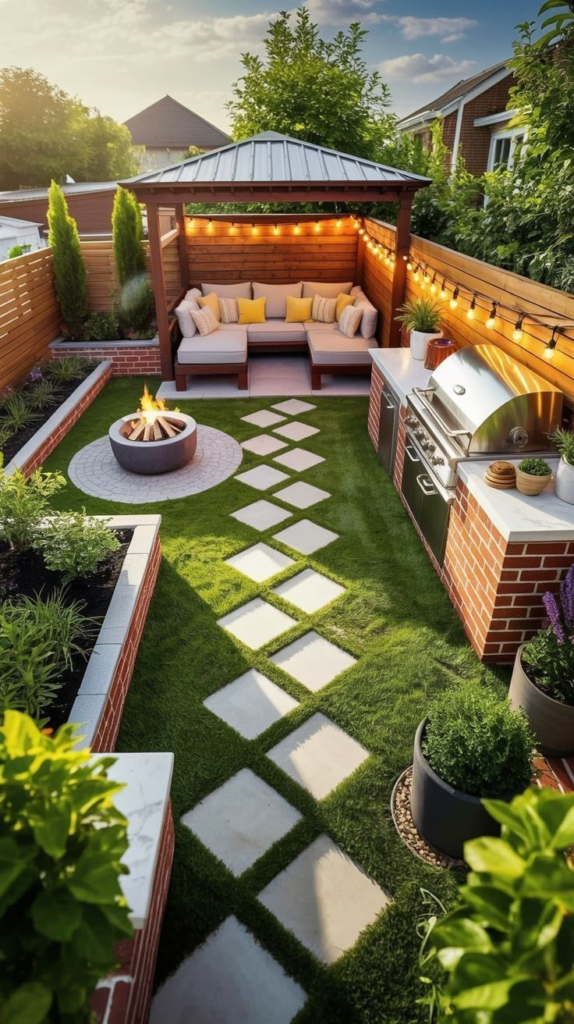
One hallmark of a well-designed small space is clear zoning. Even without walls or dividers, you can create distinct “rooms” within your backyard using different ground materials — pavers for a dining area, gravel for a pathway, timber decking for a lounge corner.
This zoning strategy gives the yard purpose and structure, making it feel intentionally designed rather than randomly assembled. It also guides movement through the space naturally, which creates a sense of journey and discovery even in a tiny footprint.
Practical tip: Keep the palette cohesive — limit yourself to two or three complementary materials. Mixing too many textures and colors undercuts the sense of order and makes the space feel smaller, not larger.
6. Use Raised Garden Beds
Raised garden beds are one of the most versatile small backyards ideas available, particularly for gardening enthusiasts working with limited ground. They define planting areas without consuming footprint, improve drainage, and elevate plantings visually, adding height and dimension to an otherwise flat layout.
Timber or Corten steel raised beds along the perimeter of your yard serve double duty — they frame the space beautifully while keeping your planting organized and contained. They’re also easier on your back and far more productive per square foot than traditional in-ground planting.
Practical tip: Install raised beds at a consistent height around the perimeter to create a sense of enclosure and intimacy, framing the central open area as a “room” within the garden.
7. Add Strategic Outdoor Lighting
Nothing transforms a compact backyard after dark quite like thoughtful lighting. String lights overhead create a canopy effect that draws the eye upward, adding perceived height. Ground-level path lights guide movement and add depth. Uplighting on trees or architectural features creates drama and visual interest.
The key word is “strategic.” Flood the whole space with one harsh overhead light and you flatten it instantly. Layer multiple light sources at different heights and you create atmosphere, warmth, and the illusion of a much more complex, layered space.
Practical tip: Solar-powered string lights strung in a loose catenary above your seating area are one of the single most cost-effective upgrades you can make — typically under $30 and installation-free.
8. Build a Compact Patio Area
Even a 6×8-foot paved patio area creates an anchor for your backyard — a clear destination that gives the space purpose and structure. A compact patio with a small bistro table, two chairs, and a potted plant or two can feel complete and intentional rather than sparse.
Choose pavers in a size that suits the scale of the space — large-format slabs can overwhelm a very small patio, while smaller brick-style pavers can read as cluttered. Mid-sized square pavers in a running bond pattern tend to work well across most compact footprints.
Practical tip: Extend patio lines toward the boundary rather than leaving them floating in the center. Connecting the patio to a fence or wall creates a sense of grounded permanence.
9. Keep Landscaping Simple and Minimal
In a small space, restraint is a virtue. Overcrowded planting — mixing too many species, colors, and textures — creates visual noise that makes a compact yard feel chaotic and even smaller. Minimal landscaping, by contrast, feels curated, calm, and sophisticated.
Choose a limited palette of three to five plants and repeat them throughout the space. This repetition creates rhythm and visual cohesion, making the garden feel intentional and designed. A single striking specimen tree or architectural shrub can serve as a focal point without overwhelming the layout.
Practical tip: Native and drought-tolerant plants are your best friends — they require less maintenance, establish quickly, and support local wildlife, all while keeping your gardening efforts manageable.
10. Add a Small Water Feature for Depth
Sound is one of the most underrated tools in small garden design. A compact water feature — a wall-mounted fountain, a small bubbling urn, or even a simple recirculating bowl — adds auditory depth to your space, masking ambient noise from streets or neighbors and creating a sense of peaceful seclusion.
Visually, moving water draws the eye and adds dynamism to an otherwise static planting scheme. A reflective water surface also bounces light around the garden, brightening shaded corners naturally.
Practical tip: Self-contained solar fountain kits are available for well under $50 and require no plumbing — just a sunny spot and a container. They’re one of the most impactful additions you can make for the investment.
Common Mistakes to Avoid in Small Backyard Design
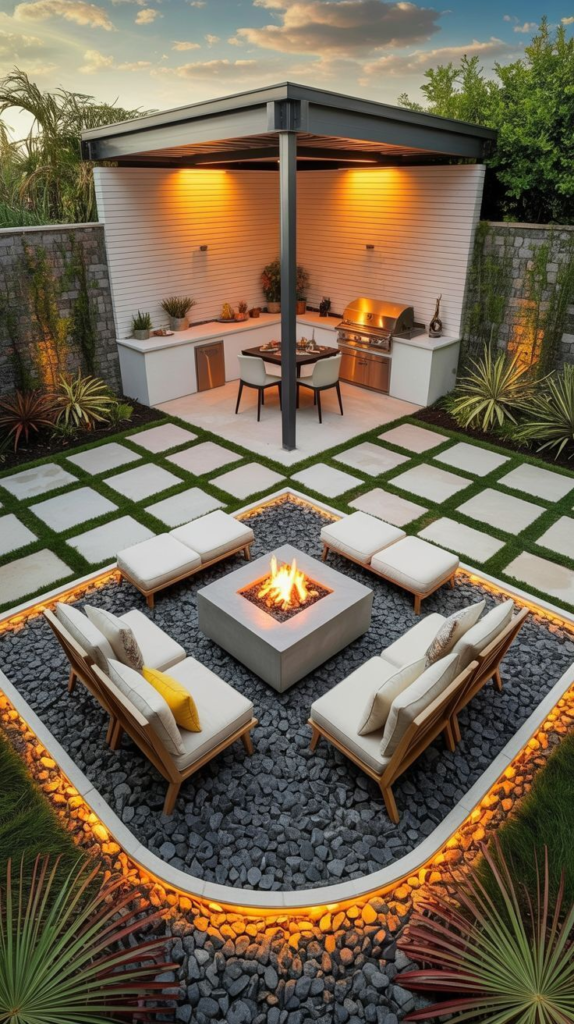
Even well-intentioned projects can go sideways. Here are the pitfalls most worth watching out for:
Overcrowding the space. The instinct to fill every corner is understandable but counterproductive. Empty space — what designers call “negative space” — is an active design tool. Let the yard breathe.
Using too many colors. A riot of competing hues feels chaotic in any garden, but especially in a small one. Stick to a cohesive palette of two to three tones, with accents used sparingly.
Poor lighting choices. A single overhead floodlight is the fastest way to make your compact yard feel like a parking lot. Layer light sources at different heights for warmth and dimension.
Wrong furniture scale. Oversized outdoor sofas and dining sets designed for large terraces look absurd — and function worse — in a small yard. Always measure twice and choose pieces proportioned to the space.
FAQs
How do you make a small backyard look bigger?
Use light colors on fences and walls, install mirrors to create depth, choose low-profile furniture, define distinct zones with different paving materials, and incorporate vertical elements like climbing plants and tall grasses that draw the eye upward. Layered lighting after dark also dramatically enhances the perceived size of a compact space.
What is the cheapest way to upgrade a small backyard?
Start with outdoor paint on fences or walls, add solar-powered string lights, introduce potted plants in repurposed containers, and create a simple pathway using gravel or stepping stones. These upgrades collectively cost under $100 and deliver outsized visual impact.
How do you landscape a very small backyard?
Focus on a minimal plant palette of three to five species repeated throughout. Use raised beds to organize planting around the perimeter, keep the central area open, and choose plants with year-round interest evergreen structure, seasonal color, or attractive seedheads in winter.
What colors make a backyard look bigger?
Soft whites, pale greys, sage greens, and sandy neutrals all help expand a small space visually. These light tones reflect available light and visually recede, pushing perceived boundaries outward. Avoid dark fence or wall colors, which absorb light and close the space in.