
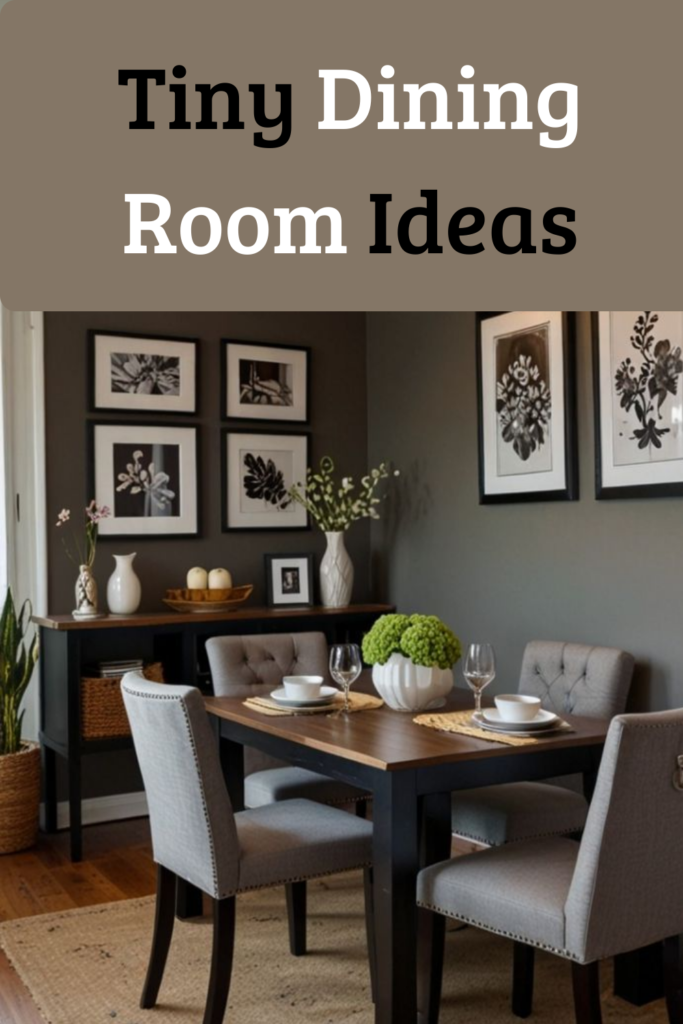
Living with a tiny dining room doesn’t mean sacrificing style or functionality. Whether you’re dealing with an awkward corner, limited square footage, or an open-plan layout that challenges your creativity, the right tiny dining room ideas can completely transform your space. Many homeowners struggle with clutter, cramped seating arrangements, and furniture that overwhelms rather than enhances their dining area. The good news? With smart layout choices, space-saving furniture, and clever visual tricks, you can create a dining room that feels both spacious and inviting. This guide will walk you through practical solutions that maximize every inch while maintaining the warmth and character that makes a dining space truly special.
Why Tiny Dining Rooms Need Smart Design
Small dining spaces demand intentional design choices that balance aesthetics with practicality. Unlike larger rooms where you can afford some trial and error, tiny dining room design requires precision. Every piece of furniture, every color choice, and every lighting decision plays a crucial role in how the space feels and functions.
The benefits of an optimized layout extend beyond just fitting a table and chairs into your room. A well-designed small dining area can actually feel more intimate and cozy than sprawling spaces, creating the perfect atmosphere for memorable meals with family and friends. Smart design also ensures smooth traffic flow, prevents the room from feeling cluttered, and maximizes natural light—all essential elements for making a compact space feel larger.
Common mistakes can sabotage even the best intentions. Oversized furniture is the primary culprit, eating up precious floor space and creating visual imbalance. Poor lighting choices can make small dining rooms feel cave-like and uninviting. Neglecting vertical space means missing out on valuable storage and display opportunities. The key is understanding that tiny dining room layout strategies focus on creating breathing room through thoughtful furniture selection and strategic placement, not just cramming everything in and hoping for the best.
Best Layout Ideas for Tiny Dining Rooms
Wall-Mounted & Fold-Down Dining Tables
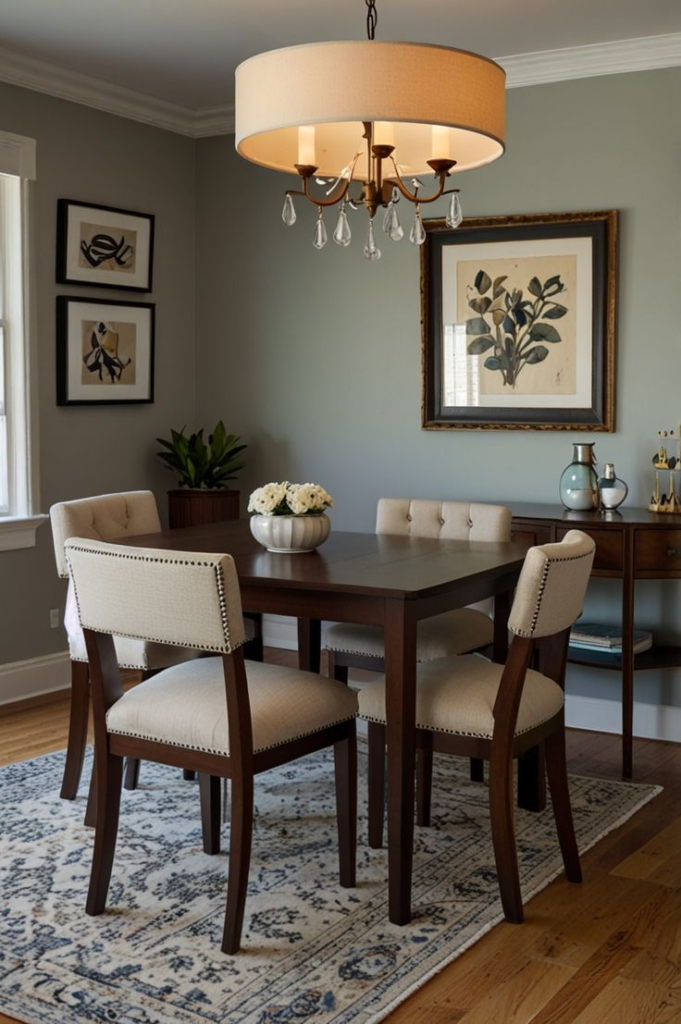
One of the most innovative space-saving dining table solutions is the wall-mounted or fold-down table. These transformative pieces attach directly to your wall and fold up when not in use, completely freeing up floor space. Perfect for studio apartments or multipurpose rooms, they can be deployed for meals and folded away to create an open living area. Look for models with built-in storage for napkins and utensils, or pair them with fold-down chairs that hang on the wall for a completely collapsible dining setup.
Corner & Banquette Seating Ideas
Corners are often underutilized in small spaces, but they’re perfect for dining areas. A corner banquette with built-in seating maximizes every inch while creating a cozy, restaurant-style atmosphere. This small living dining room idea works beautifully because banquettes can accommodate more people than individual chairs in the same footprint. Add cushions for comfort and consider incorporating lift-up seats that reveal hidden storage underneath—ideal for storing table linens, seasonal decorations, or rarely used serving pieces.
Open-Plan Dining Room Layouts
For homes with combined living and dining spaces, creating visual separation without physical barriers is essential. Use area rugs to define the dining zone, or position your table perpendicular to the living area to create natural boundaries. An open-plan approach prevents the space from feeling chopped up while maintaining functional zones. Consider using a console table or low bookshelf as a subtle divider that provides storage without blocking sightlines.
Round Tables vs Rectangular Tables for Small Spaces
The great debate in tiny dining room ideas centers on table shape. Round tables eliminate sharp corners, making navigation easier and creating better conversation flow. They’re ideal for square rooms and can often seat more people comfortably in tight quarters. However, rectangular or oval tables work better against walls or in narrow spaces, maximizing the room’s footprint. Ultimately, measure your space carefully and consider traffic patterns—you need at least 36 inches of clearance around the table for comfortable seating and movement.
Space-Saving Furniture for Tiny Dining Rooms
Foldable & Extendable Dining Tables
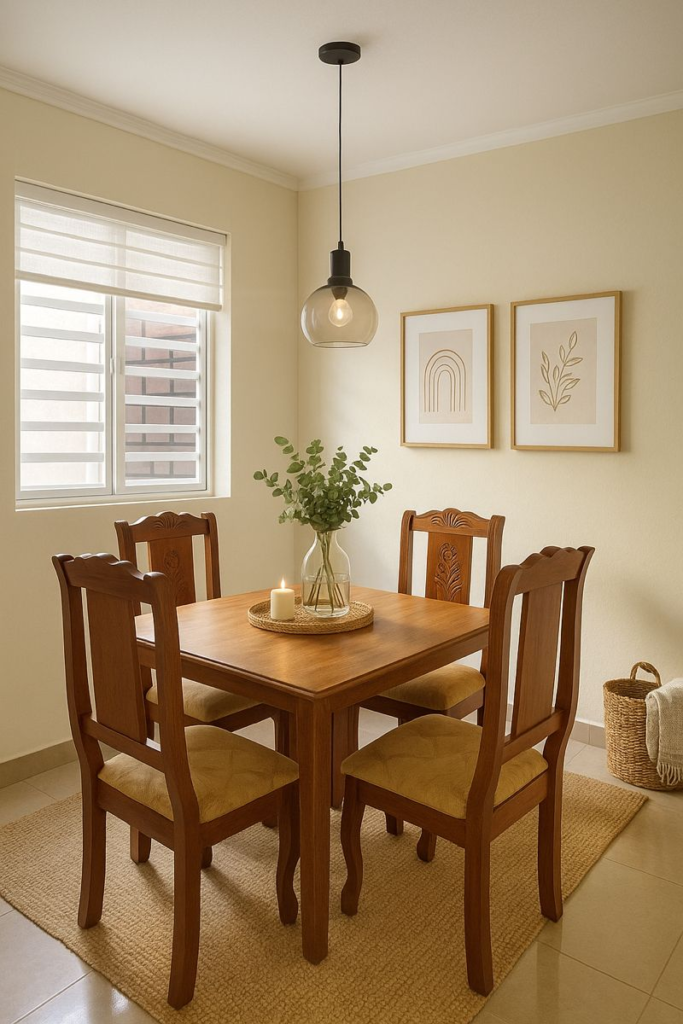
Flexibility is king in small dining room decorating ideas. Extendable tables with drop leaves or built-in extensions allow you to scale your dining surface based on need. For everyday meals, keep it compact; when hosting guests, expand it to accommodate everyone. Modern designs feature sleek mechanisms that extend smoothly without requiring you to store cumbersome leaves elsewhere. Some models can double or even triple their surface area, transforming from an intimate table for two into a dinner party centerpiece.
Stackable & Slim Dining Chairs
Traditional bulky dining chairs waste valuable space when not in use. Instead, opt for stackable chairs that can be tucked away in a closet or corner when you need extra floor space. Slim-profile chairs with open backs or transparent materials like acrylic create less visual weight, making the room feel more spacious. Consider armless designs that tuck completely under the table, or chairs with tapered legs that maintain stability while looking lighter and more delicate.
Benches with Hidden Storage
A dining bench serves double duty as both seating and storage—a winning combination for space-saving dining furniture. Choose benches with lift-up tops that reveal compartments for storing everything from board games to extra linens. They can seat more people than individual chairs when needed and slide completely under the table when not in use. Position a bench along one side of your table against a wall to maximize floor space while creating a casual, family-friendly dining atmosphere.
Multifunctional Furniture Pieces
Think beyond traditional dining furniture and embrace pieces that serve multiple purposes. A compact desk can moonlight as a dining table in a studio apartment. A kitchen island with bar stools creates an informal dining area while providing prep space and storage. Credenzas and buffets offer storage while doubling as serving stations during meals. The more functions a single piece can perform, the less furniture you need overall, leaving your tiny dining room feeling open and uncluttered.
Storage Solutions for Tiny Dining Rooms
Vertical Storage & Floating Shelves
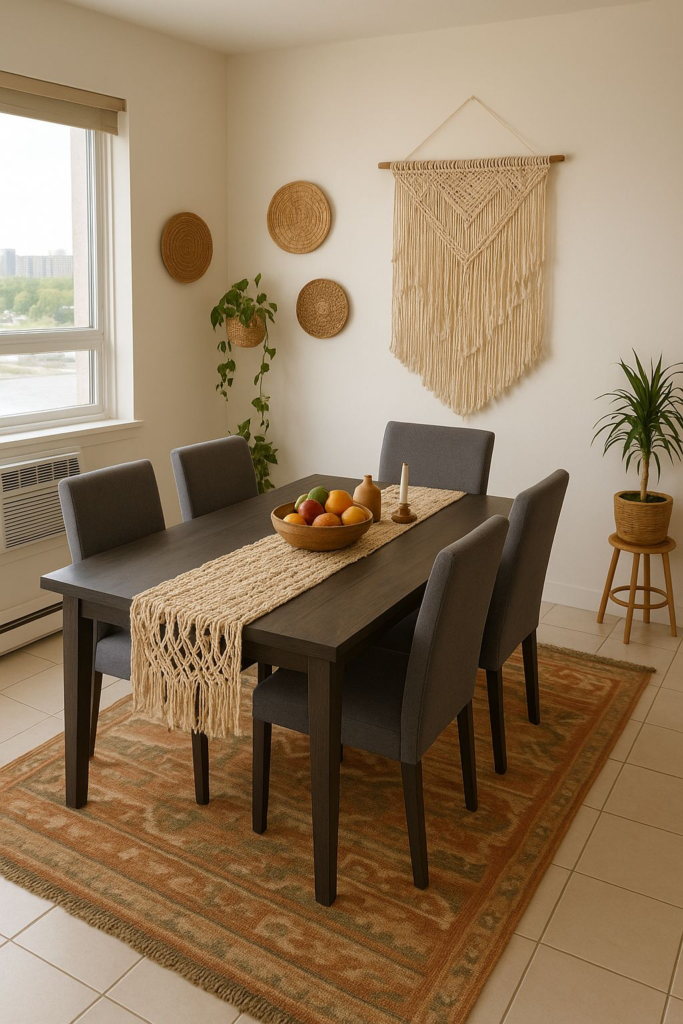
When floor space is limited, look up. Vertical storage maximizes your walls without encroaching on valuable square footage. Floating shelves display attractive dishware, glasses, and decorative items while keeping them accessible. Install them above a credenza or sideboard for layered storage options. Open shelving creates an airy feel compared to closed cabinets, but balance this with some closed storage to hide less attractive necessities and prevent visual clutter.
Built-In Cabinets & Wall Niches
If you’re renovating or have the budget, built-in storage solutions offer the most seamless tiny dining room storage ideas. Recessed wall niches provide display space without protruding into the room. Floor-to-ceiling cabinets make use of often-wasted upper wall space. Built-ins can be customized to your exact dimensions, ensuring every inch serves a purpose. Paint them the same color as your walls to make them visually recede, or choose a contrasting color to turn storage into a design feature.
Storage Ideas for Small Dining Corners
Even the smallest corners can become functional storage spots. A narrow corner shelf unit stores dishes and glassware vertically. A small bar cart tucked into a corner keeps drinks and entertaining essentials organized while remaining mobile when needed. Corner cabinets with rotating shelves maximize deep, awkward spaces that might otherwise go unused. The key is finding furniture specifically designed for corners rather than trying to force rectangular pieces into angular spaces.
Color, Lighting & Decor Tricks to Make It Look Bigger
Best Colors for Tiny Dining Rooms
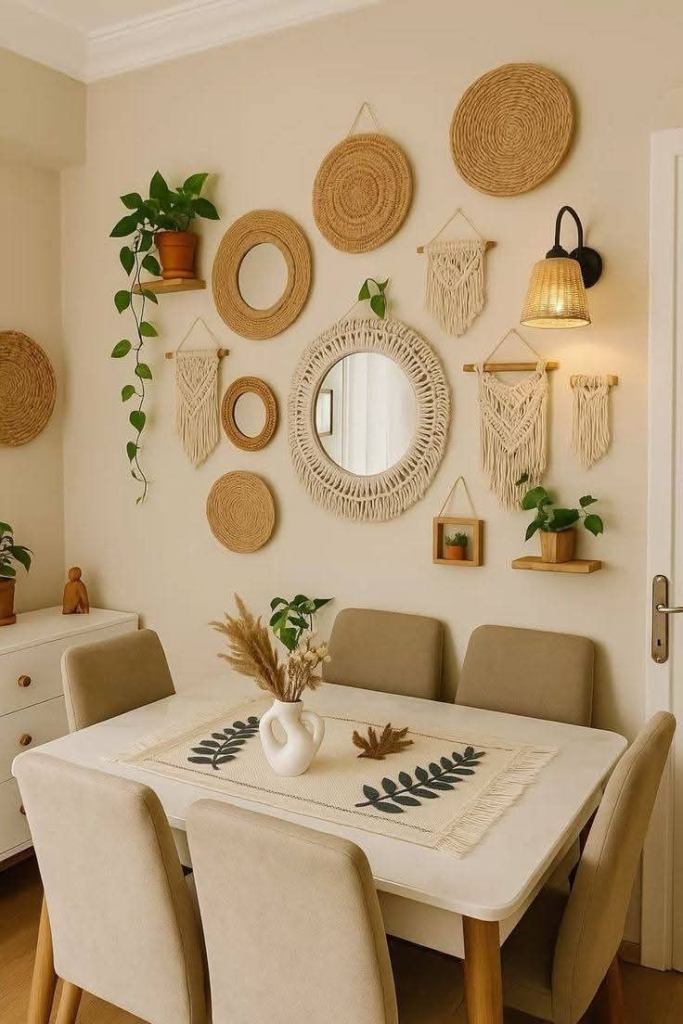
Light colors reflect light and create an expansive feeling, making them ideal small dining room colors. Whites, soft grays, pale blues, and warm creams open up the space and serve as a neutral backdrop for furniture and artwork. However, don’t feel constrained to all-white everything—an accent wall in a deeper tone adds depth and personality without overwhelming. Consider painting the ceiling a shade lighter than the walls to create the illusion of height, or use the same color throughout to blur boundaries and make the room feel larger.
Lighting Ideas to Open Up the Space
Proper lighting can visually double the perceived size of your dining area. Layer different light sources rather than relying on a single overhead fixture. A statement pendant or chandelier draws the eye upward, creating vertical interest while illuminating the table. Add wall sconces to brighten dark corners and create ambient lighting. Under-cabinet or shelf lighting highlights your display items while adding warmth. Dimmer switches allow you to adjust the mood from bright and energetic for family meals to soft and intimate for dinner parties.
Mirrors & Visual Expansion Tricks
Mirrors are the secret weapon in small space design. A large mirror on one wall literally doubles the visual space by reflecting the room back on itself. Position mirrors opposite windows to bounce natural light throughout the space, making it feel brighter and more open. Mirrored furniture pieces like a sideboard or bar cart add glamour while maintaining the expansive effect. For a more subtle approach, incorporate metallic finishes and glass surfaces that reflect light without the obvious mirror effect.
Minimal Decor That Doesn’t Overcrowd
Restraint is essential in small dining room decorating ideas. Choose a few impactful pieces rather than numerous small items that create visual noise. A single large piece of artwork makes more of a statement than a gallery wall and keeps sightlines clean. Fresh flowers or a simple centerpiece add life without permanently occupying table space—choose arrangements you can easily move when setting the table. Edit ruthlessly, keeping only items that you love or use regularly, and rotate seasonal decorations rather than displaying everything at once.
Tiny Dining Room Ideas on a Budget
Affordable Furniture Hacks
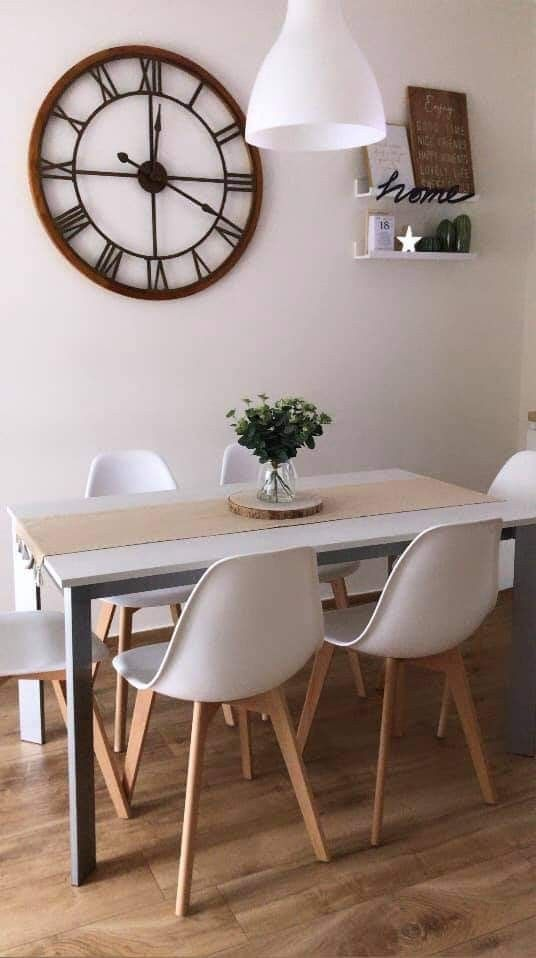
You don’t need designer pieces to create a beautiful dining space. Secondhand furniture finds can be transformed with paint, new upholstery, or updated hardware. A vintage table paired with mismatched chairs creates character and costs far less than a matching set. Floor-length tablecloths can disguise less-than-perfect tables while adding color and texture. Budget tiny dining room ideas often involve creativity rather than cash—repurpose a desk as a dining table, use crates as storage, or convert a bookshelf into a makeshift buffet.
DIY & IKEA-Style Solutions
IKEA and similar retailers specialize in compact, affordable solutions perfect for small spaces. Their modular systems can be customized to fit your exact needs and budget. DIY projects add personal touches while saving money—build your own bench with storage, create floating shelves from reclaimed wood, or upholster chairs yourself. YouTube tutorials and Pinterest boards provide endless inspiration and step-by-step guidance for cheap small dining room ideas that look expensive.
Styling Tricks with Low Cost, High Impact
Sometimes the smallest changes make the biggest difference. Fresh paint costs little but transforms a space completely. Swapping out light fixtures updates the entire look without breaking the bank. Textiles like curtains, chair cushions, and table runners add color and pattern affordably and can be changed seasonally. Plants bring life and freshness to any space for just a few dollars. Focus your budget on pieces you’ll use daily—a quality table or comfortable chairs—and save on purely decorative items.
Tiny Dining Room Ideas for Apartments & Small Homes
Studio Apartment Dining Areas
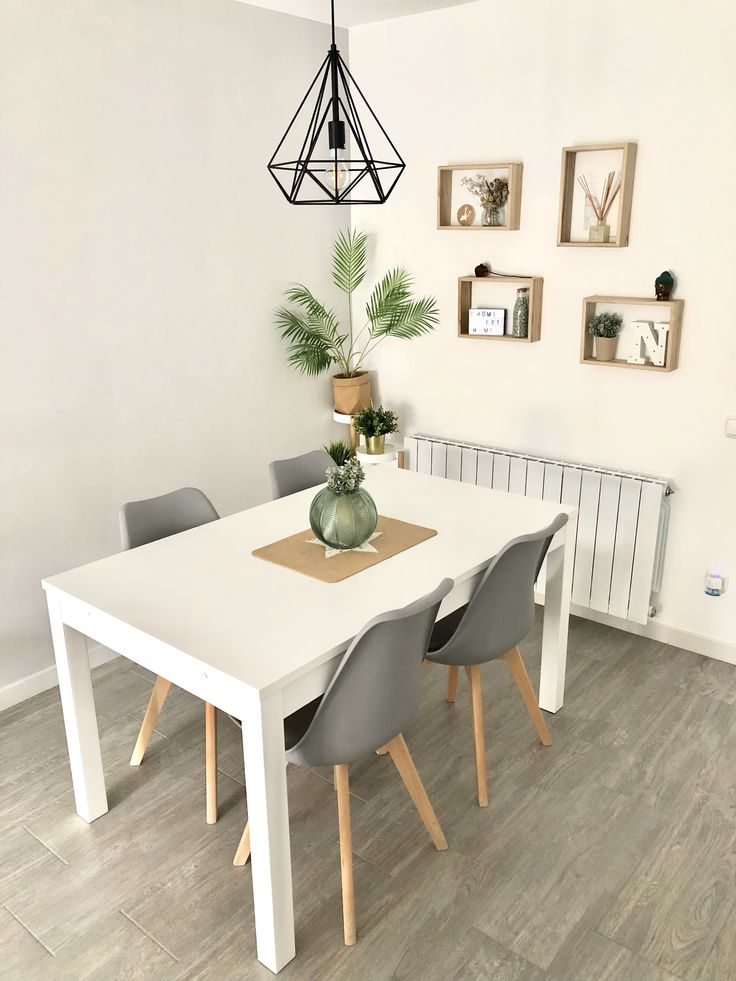
Studio living requires creative apartment dining room ideas that define zones without walls. Use a small bistro table that can double as a workspace during the day. Position your dining area near the kitchen for logical flow while keeping it visually separate from your sleeping area. A narrow console table against a wall can serve as both a dining surface and a desk, with stools that slide underneath. The key is choosing furniture that earns its place by serving multiple functions.
Combining Dining & Living Rooms
Many homes feature combined spaces where small living dining room ideas become essential. Create cohesion by using a consistent color palette and style throughout both areas. A sofa table behind your couch can act as a dining surface for casual meals while serving as display space for everyday use. Area rugs help define each zone—one under your seating arrangement, another under the dining table. This approach maintains openness while creating functional separation.
Tiny Dining Spaces in Kitchens
Kitchen dining areas offer convenience but require careful planning. A peninsula or island with overhang creates casual dining space without requiring a separate table. Wall-mounted drop-leaf tables fold down when not needed, preserving kitchen workspace. Small space dining ideas for kitchens often involve breakfast nooks with built-in banquettes that maximize corner space while providing cozy seating. Keep the style consistent with your kitchen cabinetry for a cohesive, intentional look.
Common Mistakes to Avoid in Tiny Dining Rooms
Learning from common pitfalls helps you design your space more effectively from the start. Oversized furniture is the number one mistake—that dream table might look perfect in the showroom, but if it overwhelms your room, it becomes a daily frustration rather than a joy. Always measure carefully and leave adequate clearance for comfortable movement.
Poor lighting creates a depressing atmosphere and makes small spaces feel even smaller. Relying solely on harsh overhead lights is a missed opportunity. Layer ambient, task, and accent lighting to create depth and warmth while making the space feel more expansive.
Too many decorations create visual clutter that defeats the purpose of thoughtful small space design. Every item should earn its place by being either beautiful or functional, ideally both. Resist the urge to fill every surface and wall—negative space is actually a design element that allows the eye to rest.
Ignoring vertical space wastes one of your most valuable assets. Floor space is limited, but walls offer abundant opportunities for storage, display, and visual interest. Install shelves, hang artwork at varying heights, and consider tall, narrow storage pieces that draw the eye upward while maintaining a small footprint.
Frequently Asked Questions (FAQ)
What size table is best for a tiny dining room?
The best table size depends on your specific space and needs, but a general rule is to leave at least 36 inches of clearance on all sides for comfortable movement. For very small rooms, consider a 30-36 inch square or round table that seats four comfortably. Measure your room carefully before shopping, and don’t forget to account for chair depth when pulled out. Extendable tables offer the best flexibility, allowing you to scale up for entertaining while maintaining a compact footprint for daily use.
How do you fit a dining table in a small space?
Strategic placement is key. Against a wall works well for narrow rooms—pair it with a bench on the wall side and chairs opposite. In square rooms, center the table to maintain balanced traffic flow. For multipurpose spaces, choose furniture that serves multiple functions, like a table that doubles as a workspace. Wall-mounted fold-down tables offer the ultimate space-saving solution, disappearing completely when not in use. Always prioritize scale—a smaller table that fits properly feels more spacious than a large one crammed into inadequate space.
Can a tiny dining room still look stylish?
Absolutely! Size has nothing to do with style. In fact, tiny dining rooms often feel more curated and intentional than larger spaces because every choice matters. Focus on quality over quantity—one beautiful light fixture makes more impact than multiple mediocre ones. Use color, texture, and thoughtful accessories to express your personal style. Small spaces actually showcase good design more effectively because there’s nowhere to hide mistakes, forcing you to be more deliberate and creative.
How many people can a small dining room seat?
Most tiny dining rooms comfortably seat 2-4 people for daily use. With space-saving solutions like benches, banquettes, or extendable tables, you can often accommodate 6-8 for special occasions. Corner banquettes maximize seating in the smallest footprint, while round tables typically fit more people than rectangular ones in tight spaces. Consider stackable or folding chairs stored elsewhere that you can bring out when hosting. The key is designing for your everyday needs while maintaining flexibility for occasional entertaining.
Conclusion
Creating a beautiful, functional dining space isn’t about square footage—it’s about smart choices. The tiny dining room ideas we’ve explored prove that with thoughtful planning, space-saving furniture, and clever design tricks, even the smallest dining areas can become the heart of your home. Whether you’re working with a studio apartment, a combined living-dining room, or an awkward corner, the strategies outlined here will help you maximize space while maintaining style and comfort.
Remember that small spaces force creativity, often resulting in more personal and unique designs than generic large rooms. Embrace the coziness, invest in quality multifunctional pieces, and don’t be afraid to experiment with layout until you find what works best for your lifestyle.
Ready to transform your tiny dining room? Start with one area—perhaps updating your lighting or finding the perfect space-saving table—and build from there. Save your favorite ideas, measure carefully, and trust that with the right approach, your small dining space can be just as inviting and stylish as any grand dining room. Your perfect tiny dining haven is waiting to be created!