
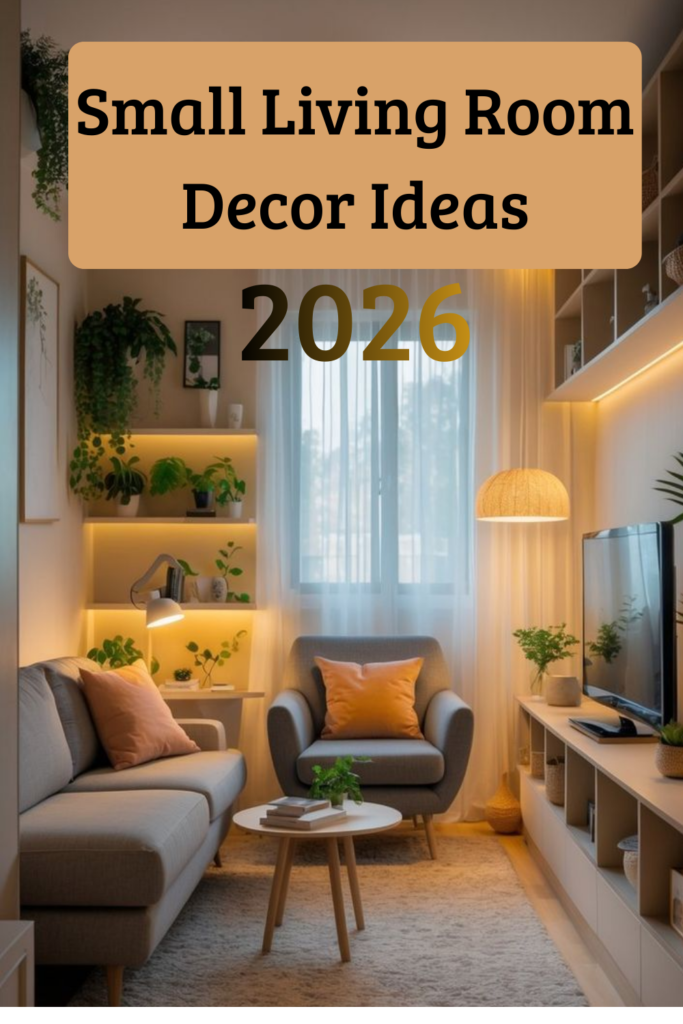
Decorating a small living room can feel like solving a complex puzzle. You want comfort, style, and functionality, but limited square footage seems to work against every design aspiration. The good news? With the right small living room decor ideas, even the tiniest space can become a beautiful, inviting retreat that feels surprisingly spacious.
Whether you’re living in a compact apartment or working with an awkwardly sized room, this guide offers practical, stylish solutions to maximize space without sacrificing your personal aesthetic. From smart furniture selections to clever lighting tricks, you’ll discover how to transform your small space living room into a place you’ll love spending time in.
Why Small Living Room Decor Matters
The way you approach small living room design directly impacts how comfortable and functional your space feels. Unlike larger rooms where mistakes can be hidden or balanced out, every decision in a compact living area carries more weight. Poor furniture choices can create visual clutter, while the wrong color palette might make your room feel even more cramped.
Common mistakes include oversized sofas that dominate the entire floor plan, inadequate lighting that creates dark corners, and excessive decorative items that overwhelm rather than enhance. Understanding the principles of small space decor helps you avoid these pitfalls. The key lies in balancing visual lightness with practical functionality, creating an environment that serves multiple purposes without feeling chaotic.
Strategic layout planning, thoughtful color selection, and intentional furniture placement aren’t just design preferences—they’re necessities that determine whether your tiny living room feels like a cozy sanctuary or a cramped box.
Smart Furniture Choices for Small Living Rooms
Choose Multifunctional Furniture
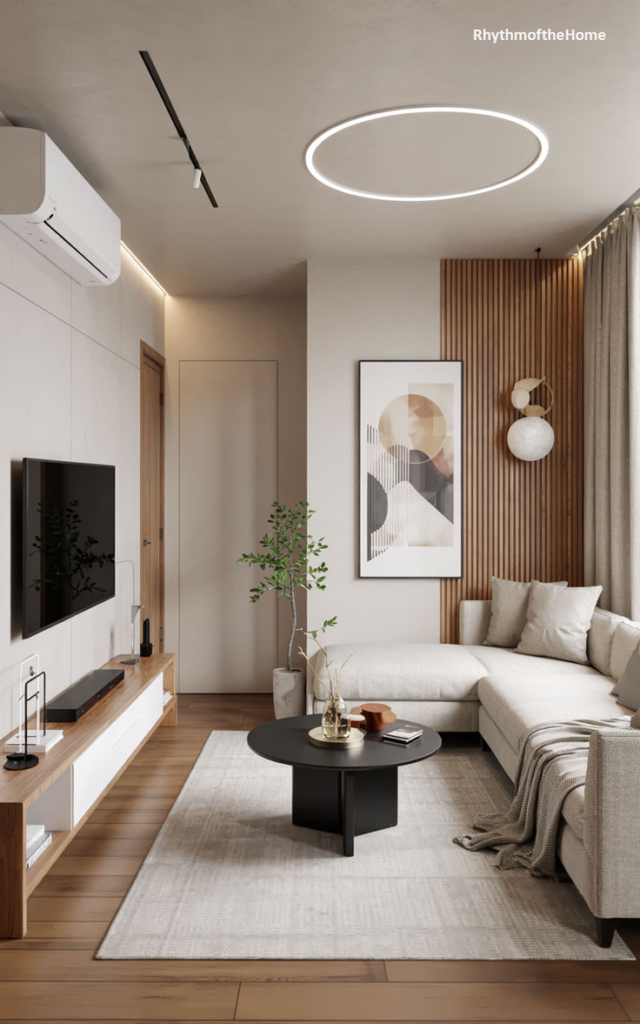
When floor space is limited, every piece must earn its place. Multifunctional furniture for small living rooms serves double or triple duty, eliminating the need for separate items. A sofa bed transforms your living area into a guest room when needed, while ottomans with internal storage provide seating, a footrest, and hidden compartment space for blankets or magazines.
Nesting tables offer flexibility—use them together when entertaining, then tuck the smaller ones away to free up walking space. Coffee tables with lift-top mechanisms create impromptu work surfaces or dining areas. These versatile pieces maximize functionality without adding visual bulk.
Opt for Slim & Low-Profile Furniture
Scale matters tremendously in compact spaces. Small living room furniture ideas should prioritize pieces with exposed legs that allow light to flow underneath, creating an airier feel. Armless chairs and settees take up less visual space than bulky recliners, while streamlined sofas with clean lines maintain sophistication without overwhelming the room.
Low-profile furniture keeps sightlines open, making ceilings appear higher and rooms feel more expansive. Consider furniture depths as well—a sofa that’s 32 inches deep instead of 40 inches can make a significant difference in traffic flow while still providing comfortable seating.
Color & Lighting Ideas That Make a Small Living Room Look Bigger
Best Colors for Small Living Rooms
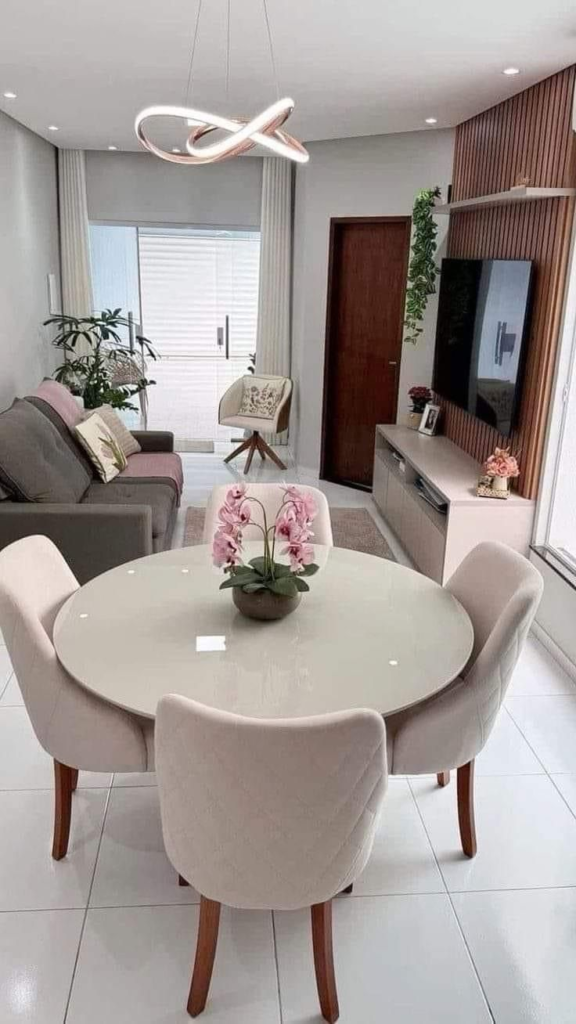
Color psychology plays a crucial role in spatial perception. Small living room color ideas typically center on light, neutral palettes that reflect natural light and create visual continuity. Whites, soft grays, beiges, and pale blues expand sight lines by reducing visual boundaries between walls, floors, and ceilings.
Monochromatic color schemes—using varying shades of a single hue—create depth without fragmentation. If you crave bolder colors, incorporate them through easily changeable accents like throw pillows, artwork, or a single accent wall rather than painting the entire room. This approach adds personality while maintaining the spacious feel that light colors provide.
Lighting Tricks to Enhance Space
Small living room lighting ideas extend beyond a single overhead fixture. Layered lighting—combining ambient, task, and accent sources—eliminates dark corners that make rooms feel smaller. Natural light is your best ally, so keep window treatments minimal or choose sheer fabrics that filter rather than block sunlight.
Strategically placed mirrors amplify both natural and artificial light, effectively doubling your room’s brightness. Position floor lamps in corners to draw the eye upward, emphasizing vertical space. Wall sconces free up surface area while providing targeted illumination, and under-shelf LED strips add modern ambiance without cluttering tables or floors.
Wall Decor Ideas for Small Living Rooms
Mirrors to Create the Illusion of Space
Mirrors are transformative tools in small living room wall decor. A large mirror positioned opposite a window reflects outdoor views, creating the illusion of an additional window and bringing more light into the space. Leaning an oversized mirror against a wall adds casual elegance while making the room feel dramatically larger.
For maximum impact, choose mirrors with simple frames that don’t compete with other design elements. Grouping smaller mirrors in geometric arrangements adds visual interest while maintaining the space-expanding effect.
Vertical Wall Decor & Shelving
Drawing the eye upward makes ceilings feel higher and rooms more spacious. Vertical decor for small living rooms includes floor-to-ceiling shelving units, tall narrow artwork, and stacked gallery walls that emphasize height rather than width.
Floating shelves provide storage and display opportunities without the visual weight of traditional bookcases. Install them higher on walls to store items you don’t access daily, keeping lower areas open and uncluttered. Vertical stripe patterns, whether in wallpaper or paint, create the same upward movement.
Storage Solutions for Small Living Rooms
Hidden Storage Ideas
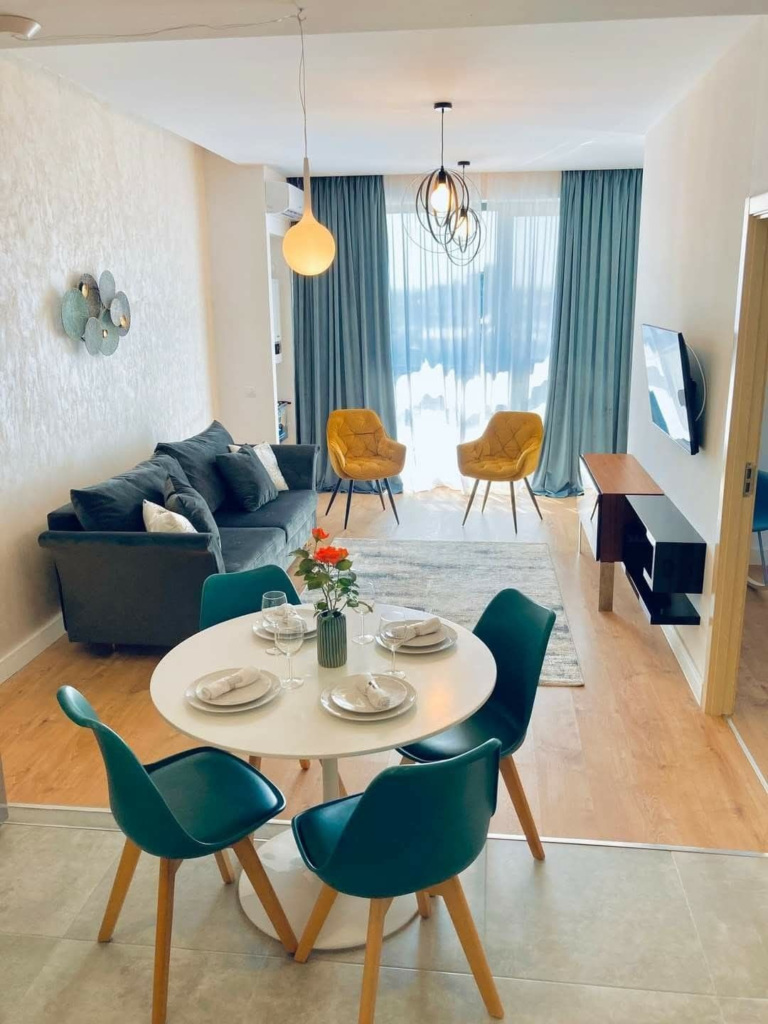
Clutter is the enemy of small spaces. Small living room storage ideas focus on concealing everyday items while keeping them accessible. Storage benches serve as seating while hiding shoes, games, or seasonal items. Under-sofa baskets on wheels slide out when needed, then disappear from view.
Wall-mounted cabinets with doors keep collections organized without visual chaos. Even your furniture can provide hidden storage—many modern sofas include compartments under cushions or along the back.
Open vs Closed Storage
Balance is essential when mixing storage types. Open shelving displays curated items and keeps the space feeling airy, but too much can appear cluttered. Closed storage hides less attractive necessities but can make walls feel heavy if overused.
A successful approach combines both: open upper shelves for decorative items and frequently used objects, with closed lower cabinets for less attractive storage needs. This creates visual interest while maintaining organization.
Layout Tips to Maximize Space
Best Layouts for Small Living Rooms
Small living room layout ideas vary based on room shape. In narrow spaces, float furniture away from walls to create walkways and define zones. Square rooms benefit from symmetrical arrangements that anchor the space without blocking flow. Studio apartments require creative zoning to separate living areas from sleeping or dining spaces.
Avoid pushing all furniture against walls—this actually makes rooms feel smaller by emphasizing their compact dimensions. Instead, create intimate conversation areas that leave breathing room around the perimeter.
Zoning a Small Living Room
Define distinct areas without physical barriers using area rugs, different lighting schemes, or furniture placement. A rug under your seating arrangement creates a visual living zone, while a different rug marks a reading nook or workspace.
Lighting also establishes boundaries—a pendant light over a small dining table separates it from the main seating area. Strategic furniture angling creates implied walls without blocking sightlines or movement.
Decor Accessories That Don’t Overwhelm
Rugs, Curtains & Textiles
Scale matters when selecting accessories. Small living room rug ideas emphasize appropriately sized pieces that anchor furniture without disappearing underneath. Your rug should be large enough that at least the front legs of major furniture pieces rest on it, creating cohesion.
Curtains hung at ceiling height elongate walls, while light fabrics maintain airiness. Avoid heavy, dark drapes that absorb light and make rooms feel enclosed. Layer textures through throw pillows and blankets to add warmth without visual clutter.
Plants & Minimal Decor Accents
Greenery brings life to small spaces without overwhelming them. Tall, narrow plants like snake plants or fiddle leaf figs draw the eye upward, while trailing plants on high shelves add softness without consuming floor space.
When selecting decorative accents, follow the “less is more” principle. Choose a few statement pieces rather than numerous small items. Group objects in odd numbers for visual appeal, and leave empty space to prevent the room from feeling crowded.
Small Living Room Decor Ideas by Style
Modern Small Living Room Decor
Modern design emphasizes clean lines, minimal ornamentation, and functional beauty. Choose furniture with sleek silhouettes, incorporate metallic accents sparingly, and focus on quality over quantity. A neutral color palette with one bold accent color creates contemporary sophistication.
Minimalist Small Living Room Decor
Minimalism thrives in small spaces. Pare down to essentials, selecting only items that serve a purpose or bring genuine joy. Built-in storage keeps surfaces clear, while a restricted color palette creates visual calm. The result feels spacious, uncluttered, and intentionally curated.
Scandinavian Small Living Room Decor
Scandinavian design balances minimalism with warmth through natural materials, soft textiles, and functional beauty. Light woods, white walls, and cozy textures create inviting spaces that feel larger than their dimensions. Plants and natural light are central elements.
Cozy Small Living Room Decor Ideas
Creating coziness doesn’t require sacrificing space. Layer soft textiles in complementary neutrals, incorporate warm lighting through table lamps and candles, and add personal touches through meaningful artwork or family photos. Texture creates depth without clutter—think knitted throws, linen cushions, and woven baskets.
Small Living Room Decor Mistakes to Avoid
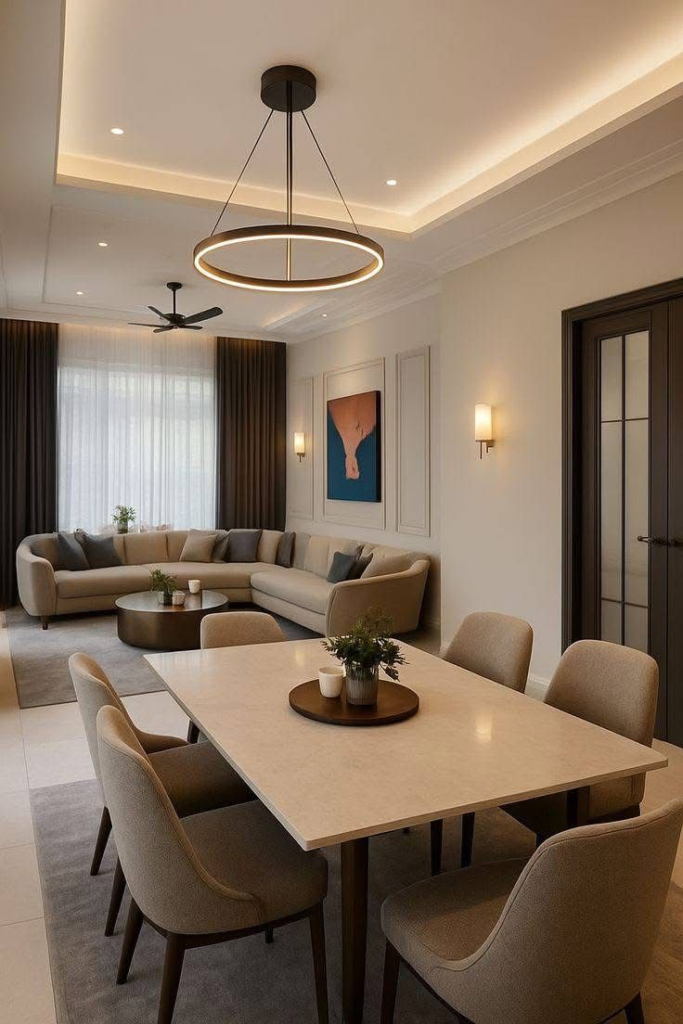
Even with the best intentions, certain choices can undermine your tiny living room design ideas. Oversized furniture is the most common culprit—that sectional might be comfortable, but if it leaves no room for movement, it’s the wrong choice. Measure carefully and prioritize pieces scaled appropriately for your space.
Dark colors can work in small rooms when used strategically, but painting all walls in deep hues often makes spaces feel confined. If you love dark colors, use them as accents rather than dominant shades.
Too much decor creates visual noise that makes rooms feel chaotic and cramped. Curate ruthlessly, rotating seasonal items rather than displaying everything simultaneously. Remember that empty space is a design element itself, providing visual rest and making rooms feel larger.
Final Tips to Maximize Style and Space
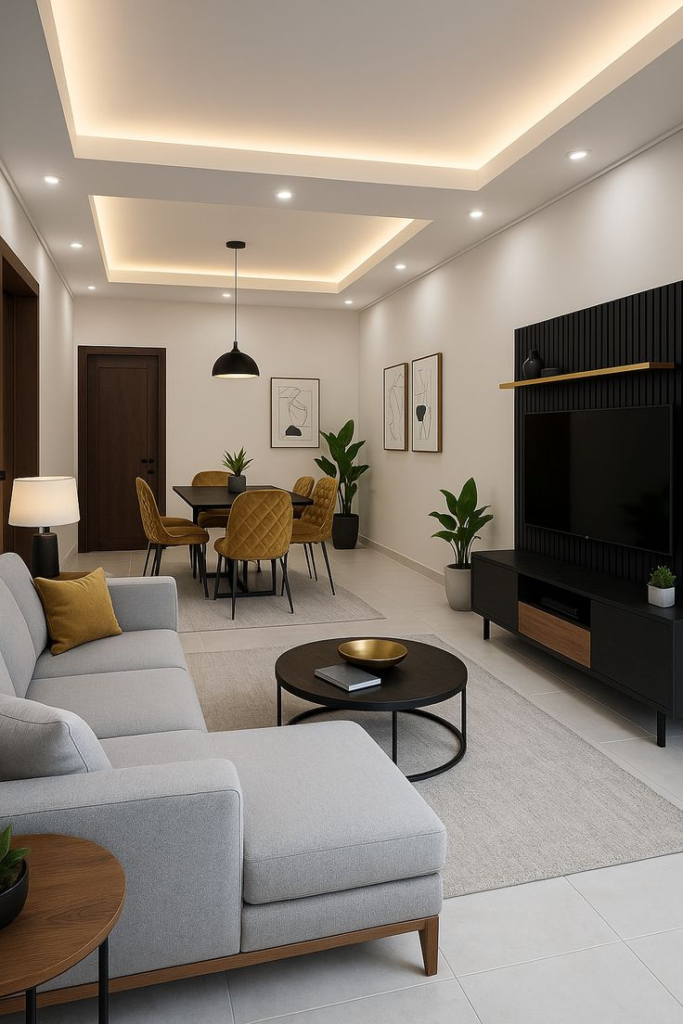
Ready to transform your compact living area? Start with these actionable steps:
- Measure your space and furniture carefully before purchasing anything
- Invest in quality multifunctional pieces rather than numerous single-purpose items
- Keep walls light and use color strategically through changeable accents
- Maximize vertical space with tall shelving and wall-mounted storage
- Layer lighting from multiple sources to eliminate dark corners
- Use mirrors thoughtfully to reflect light and create depth
- Edit your possessions regularly to prevent clutter accumulation
- Leave some empty space—rooms need breathing room
Don’t be afraid to experiment. Small living room design is personal, and what works in one space might not suit another. Start with foundational principles, then adjust based on your lifestyle, preferences, and how you actually use the room.
Frequently Asked Questions About Small Living Room Decor
How can I make a small living room look bigger?
Making a small living room appear larger involves several strategies working together. Use light, neutral colors on walls to reflect more light and reduce visual boundaries. Incorporate mirrors strategically to create depth and amplify natural light. Choose furniture with exposed legs that allow light to flow underneath, and avoid blocking windows or natural light sources. Maintain clear pathways and don’t overcrowd the space with too many pieces. Vertical elements like tall shelving and floor-to-ceiling curtains draw the eye upward, making ceilings feel higher.
What furniture works best in small living rooms?
The best furniture for small living rooms combines appropriate scale with multiple functions. Look for pieces with slim profiles and exposed legs rather than bulky, skirted designs. Multifunctional options like sofa beds, storage ottomans, and nesting tables maximize utility without requiring additional floor space. Armless chairs, loveseats instead of full-sized sofas, and furniture with built-in storage help you accomplish more with less. Measure your space carefully and prioritize pieces that fit comfortably while allowing adequate traffic flow.
What colors are best for small living rooms?
Light, neutral colors work best in small living rooms because they reflect natural light and create visual continuity. Whites, soft grays, beiges, and pale blues make walls recede, creating the illusion of more space. Monochromatic color schemes using varying shades of one hue add depth without fragmentation. While dark colors aren’t strictly forbidden, use them sparingly as accents rather than dominant shades. If you love bold colors, incorporate them through easily changeable elements like throw pillows, artwork, or a single accent wall.
How do you decorate a small living room on a budget?
Decorating a small living room affordably starts with working with what you have. Rearrange existing furniture to improve flow before buying new pieces. Paint is an inexpensive way to transform a space—choose light colors to maximize the spacious feeling. Shop secondhand for quality furniture at fraction of retail prices. DIY projects like creating your own artwork or refinishing thrift store finds add personality without breaking the bank. Invest in a few key multifunctional pieces rather than many single-purpose items. Use plants as affordable decor that brings life to your space, and repurpose items creatively—vintage crates become shelving, baskets provide stylish storage.