
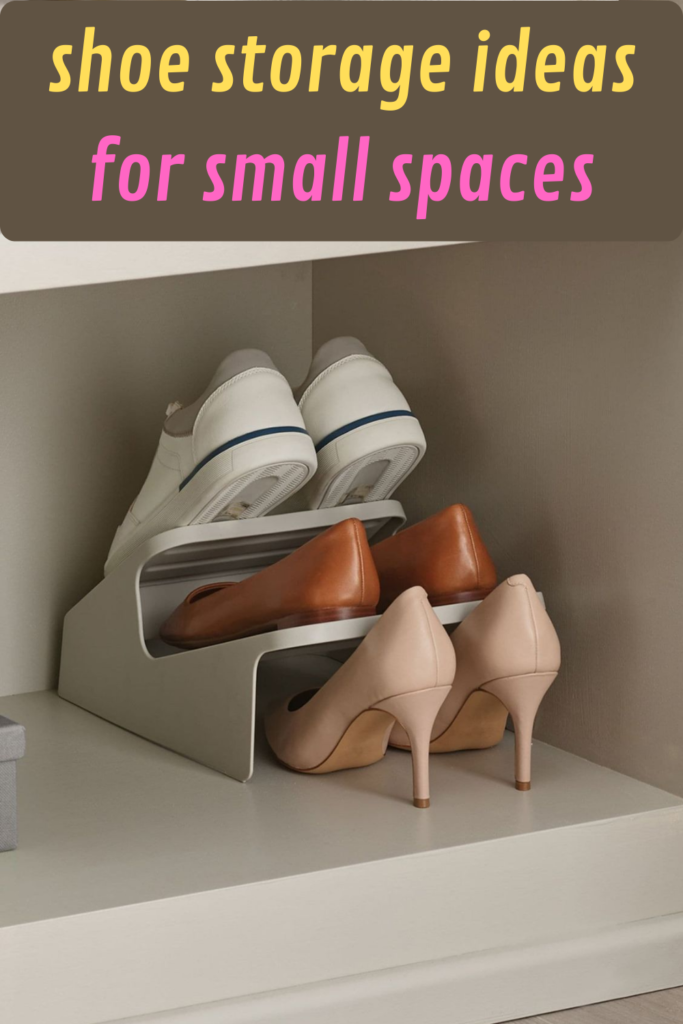
Living in a small apartment or home often means battling one persistent problem: where to put all those shoes. Whether you’re dealing with a narrow hallway, a closet-free bedroom, or a tiny entryway that’s overflowing with footwear, finding effective shoe storage ideas for small spaces can feel impossible. The clutter doesn’t just look messy—it makes your entire home feel cramped and disorganized. But here’s the good news: with the right strategies, you can transform even the tiniest corner into an organized, stylish shoe storage solution. From vertical racks to hidden compartments, these space-saving ideas will help you reclaim your floors, maximize every inch, and create a home that feels more spacious and put-together. Ready to say goodbye to shoe chaos?
Why Shoe Storage Is a Challenge in Small Spaces
Small-space living comes with unique storage challenges, and shoes are often the biggest culprits. Most compact apartments lack dedicated closets, forcing residents to get creative with their footwear organization. Narrow entryways become bottlenecks when shoes pile up by the door, while bedrooms lose precious floor space to scattered sneakers and boots.
The problem intensifies when multiple people share a small home—suddenly, you’re dealing with dozens of pairs and nowhere to put them. Traditional shoe racks take up valuable real estate, and horizontal storage solutions simply don’t work when square footage is limited. That’s why vertical and hidden storage becomes essential. By thinking upward instead of outward, and utilizing often-overlooked spaces like walls, doors, and under-bed areas, you can store significantly more shoes without sacrificing living space. The key is choosing solutions that work with your specific layout while keeping your footwear accessible, protected, and neatly organized.
Space-Saving Shoe Storage Ideas That Work Instantly
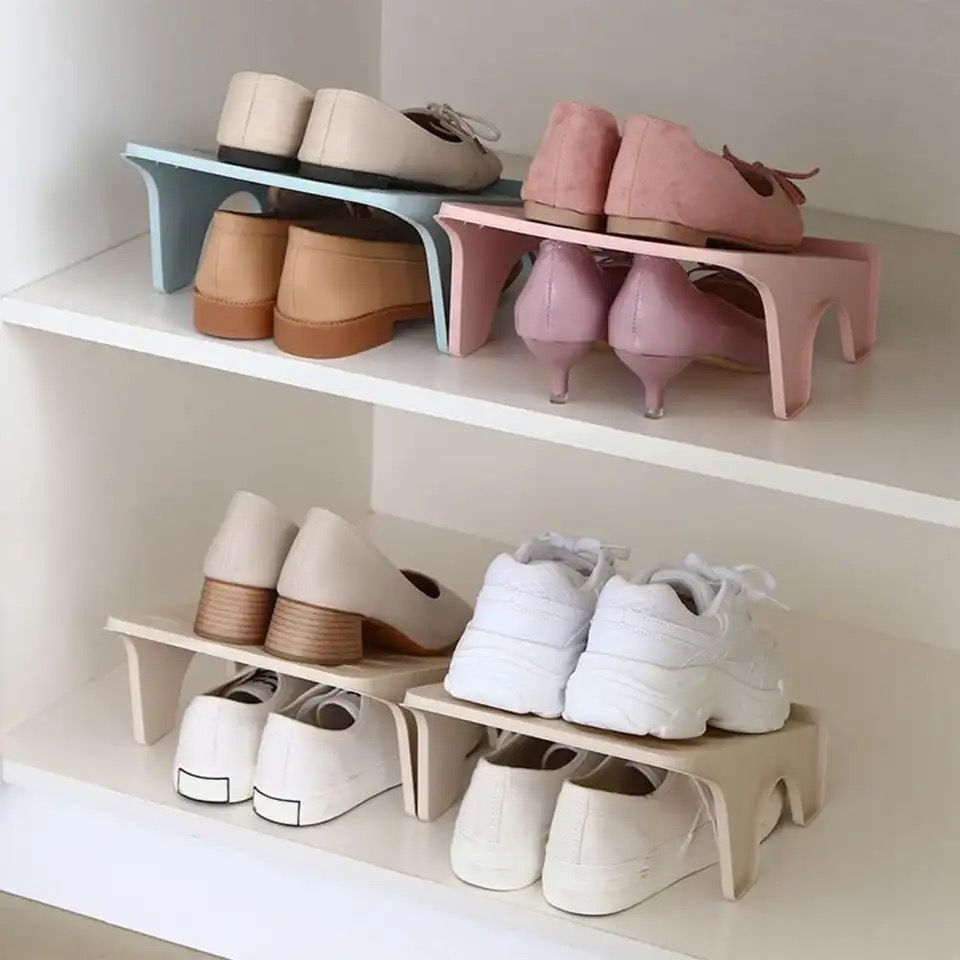
The right storage approach can completely transform how you manage shoes in tight quarters. Here are proven solutions that maximize space without compromising style or accessibility.
Vertical Shoe Storage Solutions
When floor space is scarce, look up. Vertical shoe storage for small spaces is one of the most effective ways to store more while using less room. Over-the-door racks are perfect for renters since they require no installation—simply hang them on any door to instantly gain storage for 12 to 36 pairs. These work especially well on closet doors or bedroom doors.
Wall-mounted shelves create a floating display that keeps shoes off the floor while adding visual interest to your walls. Install them in entryways, bedrooms, or even along hallway walls. Choose sleek, narrow shelves that extend upward rather than outward to maximize capacity.
Hanging shoe organizers with fabric pockets are another vertical game-changer. These canvas or vinyl organizers hang from closet rods or hooks and can hold 10 to 20 pairs in the space of a single coat. They’re ideal for flats, sandals, and lightweight shoes, and they keep everything visible so you’ll actually wear what you own.
Under-Bed Shoe Storage Ideas
The space beneath your bed is prime real estate that often goes unused. Under bed shoe storage solutions turn this dead zone into organized shoe heaven. Rolling shoe drawers glide out smoothly, making it easy to access your entire collection without crawling on the floor. Look for low-profile designs that fit under platform beds or beds with limited clearance.
Storage boxes with lids protect shoes from dust while keeping them neatly contained. Clear plastic boxes let you see what’s inside at a glance, while fabric boxes with labels add a softer aesthetic. For seasonal shoes you don’t wear often, these boxes are perfect for long-term storage.
Vacuum storage bags offer an innovative solution for bulky winter boots or out-of-season footwear. By removing excess air, you can flatten these bags and slide them easily under the bed, freeing up even more space. Just remember that vacuum-sealed shoes need time to regain their shape before wearing.
Entryway Shoe Storage Ideas for Small Spaces
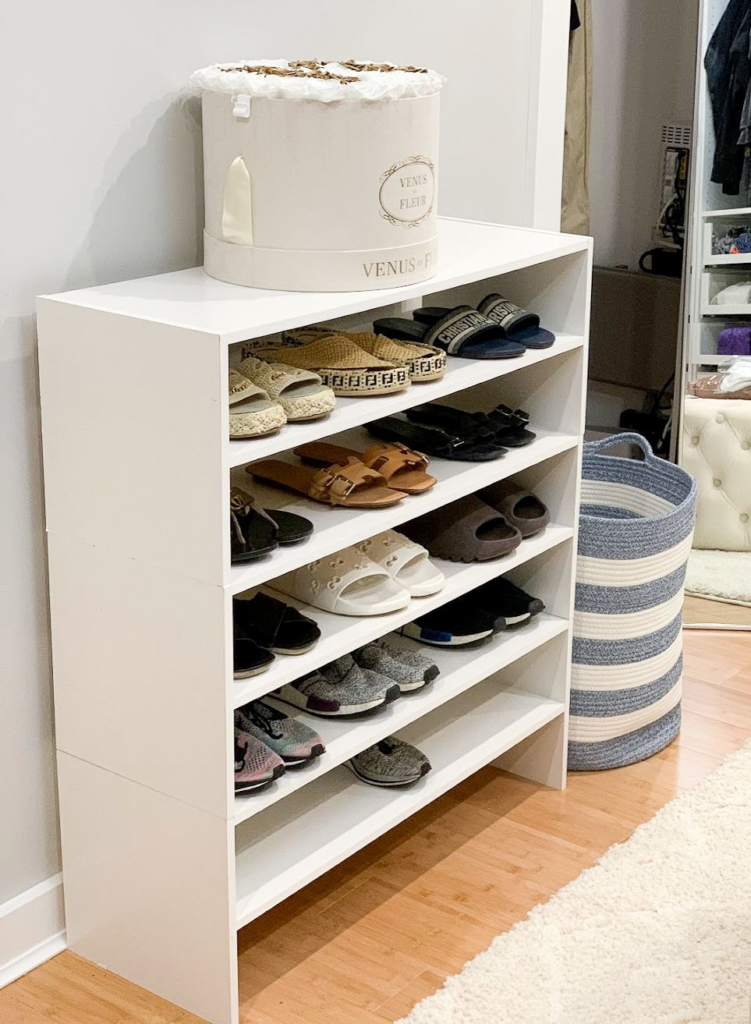
Your entryway sets the tone for your entire home, and smart shoe storage in small entryway areas prevents clutter from spreading. Slim shoe cabinets with flip-down doors or enclosed compartments hide shoes behind a sleek facade while taking up minimal depth—usually just 6 to 10 inches. These work beautifully in tight hallways where traditional furniture won’t fit.
Shoe benches with storage serve double duty: they provide seating while hiding shoes in compartments underneath. This is perfect for putting on shoes or dropping bags when you arrive home. Choose benches with lift-top lids or pull-out drawers depending on your preference.
Corner shoe racks utilize awkward corner spaces that typically go to waste. These triangular or curved racks fit snugly into corners, keeping shoes organized without blocking walkways. They’re especially useful in L-shaped entryways or studio apartments where every angle counts.
Hidden Shoe Storage Ideas
Sometimes the best storage is the kind you can’t see. Hidden shoe storage ideas keep your space looking clean and uncluttered while maximizing capacity. Inside cabinet doors offers often-overlooked real estate—install small racks or pockets on the interior of bathroom, bedroom, or kitchen cabinet doors to store flats or slippers.
Under-stair storage transforms wasted space into functional organization. If you have stairs, consider adding pull-out drawers, custom shelving, or even a dedicated shoe closet beneath them. This architectural feature becomes a hidden treasure trove for shoe storage.
Behind-mirror storage adds a clever concealment trick. Full-length mirrors with hidden storage behind them serve as both functional decor and secret shoe cabinets. These work particularly well in bedrooms or walk-in closets where you need a mirror anyway.
DIY Shoe Storage Ideas for Small Spaces
Budget-friendly creativity can yield impressive results. DIY shoe storage for small spaces lets you customize solutions to your exact needs while saving money. Wooden crates stacked and secured together create rustic, industrial-style shoe racks. Paint or stain them to match your decor, and arrange them vertically or horizontally depending on your space.
Repurposed ladders leaning against walls become instant shoe displays. Each rung holds several pairs, and the ladder’s narrow footprint makes it ideal for tight spaces. Choose vintage wooden ladders for farmhouse charm or sleek metal ones for modern aesthetics.
Budget-friendly hacks include using PVC pipes cut and mounted to walls, tension rods installed in closets to create shoe shelves, or even pool noodles cut into sections to help boots maintain their shape while stored. Pinterest and YouTube offer endless inspiration for creative, cost-effective shoe storage solutions you can build in an afternoon.
Best Shoe Storage Furniture for Small Spaces
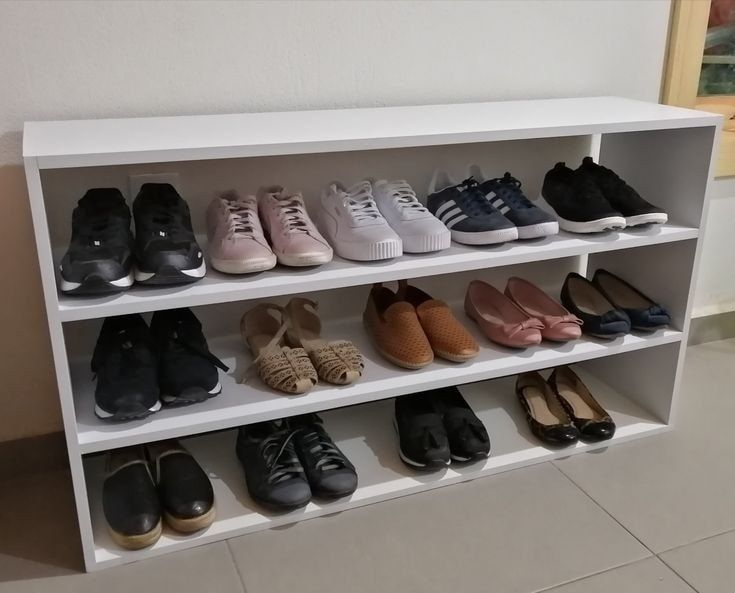
Investing in purpose-built furniture designed specifically for compact living can make a dramatic difference. Slim cabinets with specialized shoe compartments offer streamlined storage that fits in narrow spaces—look for units that are 8 to 12 inches deep but extend upward to hold 20 or more pairs. Many feature adjustable shelves to accommodate different shoe heights.
Multi-functional furniture serves multiple purposes, making it perfect for small spaces. Ottoman storage cubes can hide shoes inside while providing extra seating. Console tables with lower shelves keep shoes accessible in entryways without looking cluttered. Bed frames with built-in drawers eliminate the need for separate under-bed storage containers.
Stackable storage units offer flexibility as your collection grows. Modular cube systems let you start small and add sections as needed. These work well in closets, bedrooms, or even as room dividers in studio apartments. Look for units with ventilation to prevent odor buildup and moisture damage.
How to Choose the Right Shoe Storage for Your Space
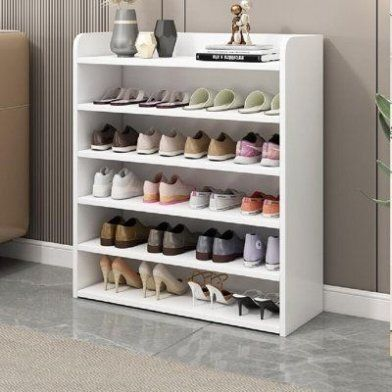
Selecting the best shoe storage for small spaces requires thoughtful evaluation of your specific situation. Start by measuring your available space carefully—height, width, and depth matter. Knowing your dimensions prevents purchasing solutions that won’t fit.
Count your shoes honestly, including seasonal footwear. If you have 30 pairs, don’t buy storage that holds 20. Plan for growth or acquisitions by adding 20% capacity to your count. This prevents immediate overflow and future frustration.
Consider your budget and personal style. Storage doesn’t have to be expensive to be effective—DIY solutions and budget-friendly racks work just as well as premium furniture. However, if you prefer cohesive aesthetics, investing in furniture that matches your decor creates a more polished look. Also think about accessibility: shoes you wear daily should be easiest to reach, while occasional-use footwear can occupy harder-to-access spots like high shelves or deep under-bed storage.
Mistakes to Avoid When Storing Shoes in Small Spaces
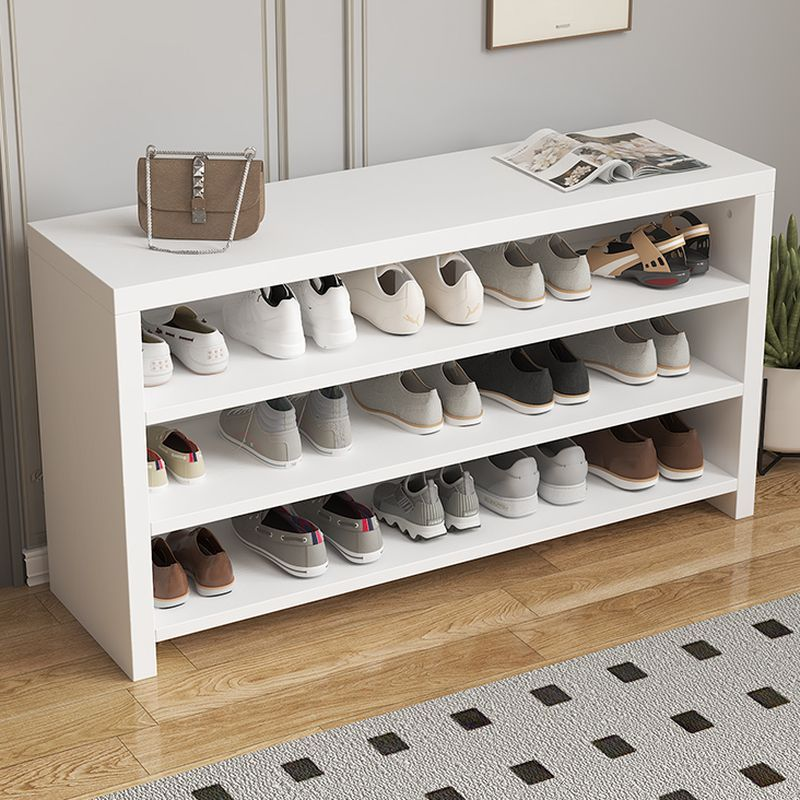
Even with great intentions, common errors can undermine your shoe storage efforts. Overcrowding is the biggest culprit—stuffing too many shoes into one space damages them, makes retrieval difficult, and creates visual chaos. If you can’t easily grab the shoes you want, your system isn’t working.
Ignoring vertical space is another missed opportunity. Most people default to horizontal storage when walls and door backs offer massive untapped potential. Install racks upward, not outward, to multiply your capacity without sacrificing floor space.
Poor ventilation leads to odor problems and material degradation. Shoes need air circulation, especially leather and athletic footwear. Avoid completely sealed containers for long-term storage, and choose mesh, slatted, or ventilated options instead. Rotate your collection seasonally to ensure all shoes get worn and aired out, preventing musty smells and extending their lifespan.
Frequently Asked Questions (FAQ)
How do you store shoes in a small space?
The most effective approach combines vertical storage (wall-mounted racks, over-door organizers), hidden storage (under-bed containers, cabinet-mounted racks), and multi-functional furniture (benches with storage, slim cabinets). Prioritize solutions that utilize unused space like walls, doors, and under-furniture areas rather than taking up valuable floor space.
What is the best shoe storage for apartments?
For apartments, over-the-door racks and freestanding slim cabinets work best since they require no permanent installation and can move with you. Under-bed storage and hanging closet organizers are also excellent choices. Look for solutions that maximize vertical space and offer easy accessibility for daily-wear shoes.
How can I organize shoes without a closet?
Without a closet, focus on entryway solutions like shoe cabinets or benches, bedroom storage such as under-bed containers or wall-mounted shelves, and creative options like behind-door racks or decorative crate displays. Consider using a clothing rack with a bottom shelf specifically for shoes, or dedicate a corner of your room to a vertical shoe tower.
Conclusion
Managing footwear in tight quarters doesn’t have to be a constant struggle. Whether you choose vertical racks, hidden under-bed storage, clever entryway solutions, or DIY projects, the right small space shoe storage solutions can transform your home from chaotic to calm. Start by decluttering shoes you no longer wear, measure your available space, and pick one or two strategies that fit your lifestyle and budget. The key is taking that first step—your floors (and your sanity) will thank you. Try one solution today and enjoy the breathing room tomorrow.