
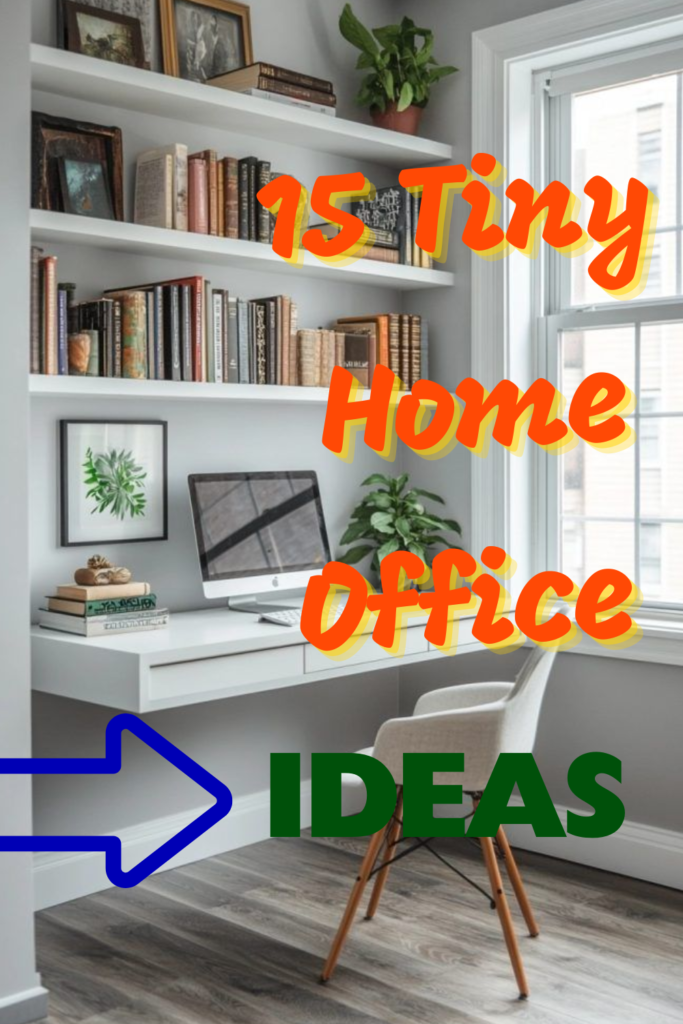
Working from home doesn’t require a sprawling room with floor-to-ceiling windows. Whether you’re navigating apartment living or simply short on square footage, tiny home office ideas can transform even the most compact corners into productive, comfortable workspaces. With thoughtful small home office layout planning and clever small office interior design, you can create a functional work environment that maximizes every inch while keeping you focused and inspired throughout your workday.
Why a Tiny Home Office Needs Smart Design
Limited space presents unique challenges that go beyond simply fitting a desk into a corner. Poor planning can lead to cluttered surfaces, inadequate lighting, and cramped conditions that drain your productivity and motivation. A well-designed compact workspace requires strategic thinking about furniture placement, storage solutions, and lighting arrangements.
The difference between a frustrating makeshift setup and an efficient micro-office lies in understanding how to optimize vertical space, select appropriately scaled furniture, and maintain visual breathing room. Smart design choices ensure your workspace feels intentional rather than squeezed in, creating an environment where you can actually get work done without feeling boxed in.
Key Principles for Designing a Tiny Home Office
Choose Multifunctional Furniture
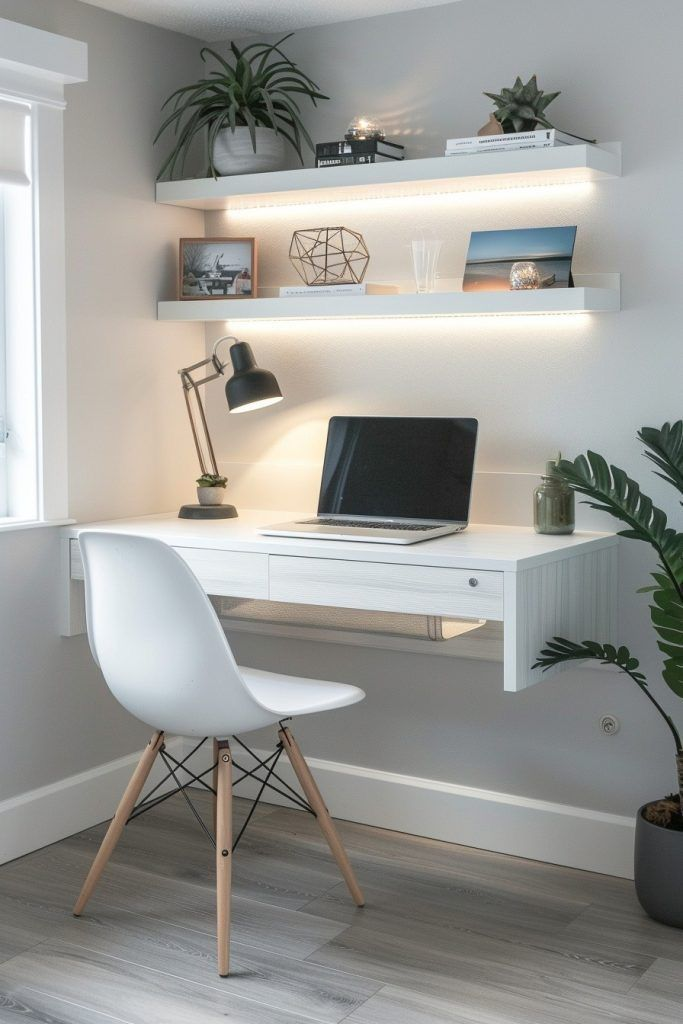
Every piece in a compact workspace should earn its place by serving multiple purposes. Desks with built-in storage, ottomans that double as filing cabinets, and shelving units that incorporate desk surfaces maximize functionality without consuming additional floor space. This approach eliminates the need for separate pieces and keeps your workspace streamlined.
Use Vertical Space Wisely
When horizontal space is limited, looking upward becomes essential. Wall-mounted shelves, tall narrow bookcases, and hanging organizers capitalize on often-overlooked vertical real estate. This strategy keeps work surfaces clear while ensuring supplies and documents remain accessible.
Prioritize Natural Light & Ergonomics
Positioning your desk near windows whenever possible reduces eye strain and improves mood. Ergonomic considerations remain equally important in small spaces—invest in an adjustable chair that fits your proportions and ensure your screen sits at proper eye level to prevent neck and back discomfort during long work sessions.
Keep It Minimal and Organized
Visual clutter amplifies the feeling of cramped quarters. Adopt a minimalist approach by keeping only essential items within reach and establishing designated homes for everything else. Regular decluttering sessions prevent accumulation and maintain the sense of spaciousness your compact office needs.
15 Tiny Home Office Ideas to Maximize Space and Productivity
1. Wall-Mounted Desk to Save Floor Space
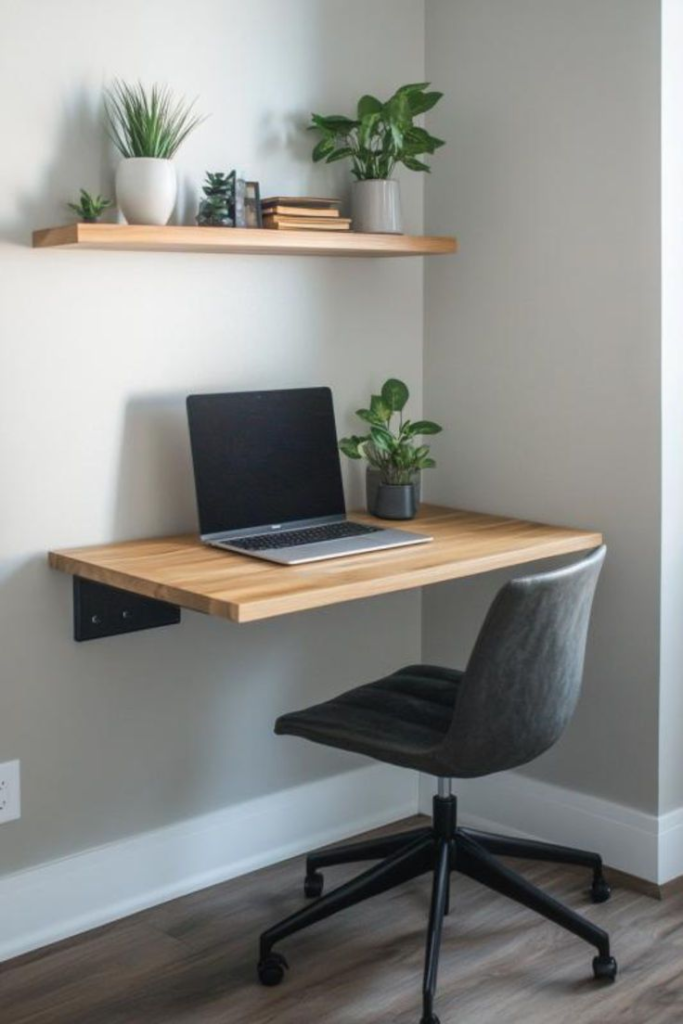
A floating desk attached directly to the wall eliminates bulky legs and creates an airy, open feel beneath your work surface.
- Provides workspace without occupying valuable floor area
- Perfect for narrow hallways or tight alcoves
- Allows for easy floor cleaning and creates visual lightness
2. Floating Shelves for Vertical Storage
Installing multiple floating shelves above your desk creates tiered storage that keeps supplies organized and visible without requiring additional furniture.
- Customizable height and configuration to suit your needs
- Maintains open sightlines while providing ample storage
- Cost-effective solution for renters (easy to install and remove)
3. Corner Desk for Unused Spaces
Awkward corners typically become wasted space, but an L-shaped or triangular desk transforms these areas into productive work zones.
- Maximizes previously unusable square footage
- Provides surprising surface area for spreading out projects
- Creates natural separation between work and living areas
4. Fold-Down Desk for Ultra-Small Homes
A wall-mounted desk that folds up when not in use completely disappears, returning precious space to your living area after work hours.
- Ideal for studio apartments or multipurpose rooms
- Creates true boundary between work and personal time
- Some models include built-in storage for supplies
5. Built-In Desk With Storage
Custom or pre-fabricated built-in units integrate seamlessly with your walls, providing cohesive workspace and storage without protruding into the room.
- Maximizes every inch of available space
- Creates polished, intentional appearance
- Can include file drawers, shelving, and cable management
6. Closet Office (Cloffice) Setup
Converting an underutilized closet into a dedicated workspace creates a private, contained office that can be closed off completely.
- Defines clear work boundaries in shared spaces
- Utilizes existing structure without requiring construction
- Built-in shelving often already present for storage
7. Under-Stair Tiny Home Office
The angular space beneath staircases typically goes unused, but with custom-fitted furniture, it becomes a cozy, tucked-away workspace.
- Capitalizes on otherwise wasted architectural space
- Provides natural sense of enclosure and focus
- Unique aesthetic that adds character to your home
8. Window-Facing Desk for Natural Light
Positioning your desk directly in front of a window bathes your workspace in natural light and provides inspiring views during breaks.
- Reduces reliance on artificial lighting during daytime
- Improves mood and reduces eye fatigue
- Creates connection to outdoor environment
9. Slim Desk With Drawers
A narrow-profile desk (24 inches deep or less) with integrated drawer storage provides essential workspace without overwhelming small rooms.
- Fits comfortably in tight spaces without feeling cramped
- Built-in storage eliminates need for separate filing cabinets
- Available in various styles to match your decor
10. Dual-Purpose Desk (Vanity or Console)
A console table or vanity can moonlight as a workspace, serving different functions depending on time of day.
- Maintains aesthetic appeal in visible living areas
- Provides flexibility for changing needs
- Often includes drawers for discrete supply storage
11. Pegboard Wall for Organization
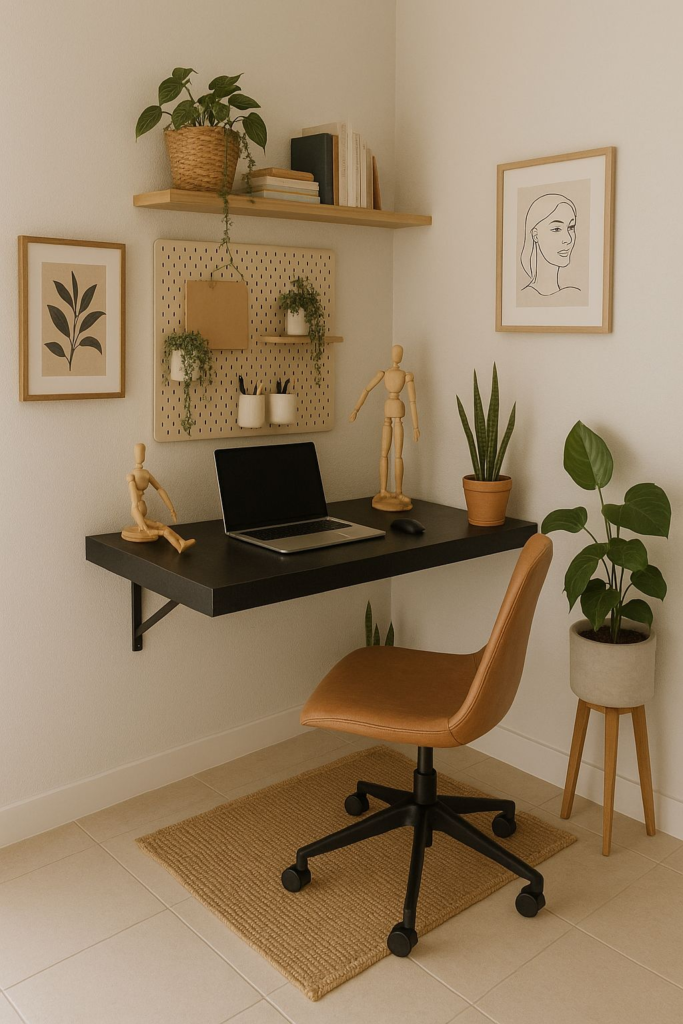
Installing a pegboard above or beside your desk creates customizable, accessible storage for frequently used tools and supplies.
- Infinitely reconfigurable as needs change
- Keeps items visible and within arm’s reach
- Adds visual interest and personality to workspace
12. Rolling Desk or Mobile Workstation
A compact desk on casters moves wherever you need it, then tucks away when not in use.
- Ultimate flexibility for changing work locations
- Easy to reposition for optimal lighting or privacy
- Can serve multiple household members
13. Minimalist Desk Setup
A simple, clean-lined desk with minimal decoration maintains focus and prevents visual overwhelm in tight quarters.
- Reduces distractions and promotes concentration
- Easier to keep organized with fewer items
- Creates calming, professional atmosphere
14. Vertical Cabinet Storage
Tall, narrow storage cabinets provide substantial capacity while occupying minimal floor space.
- Conceals supplies behind closed doors for cleaner appearance
- Height draws eye upward, making space feel larger
- Keeps documents and equipment dust-free
15. Hidden Home Office Ideas (Murphy Desk)
A Murphy-style desk folds completely into a wall cabinet, creating a full-featured office that disappears when not needed.
- Ideal solution for multi-functional spaces
- Protects workspace from household activity
- Many models include integrated storage and organization
Best Furniture for Tiny Home Offices
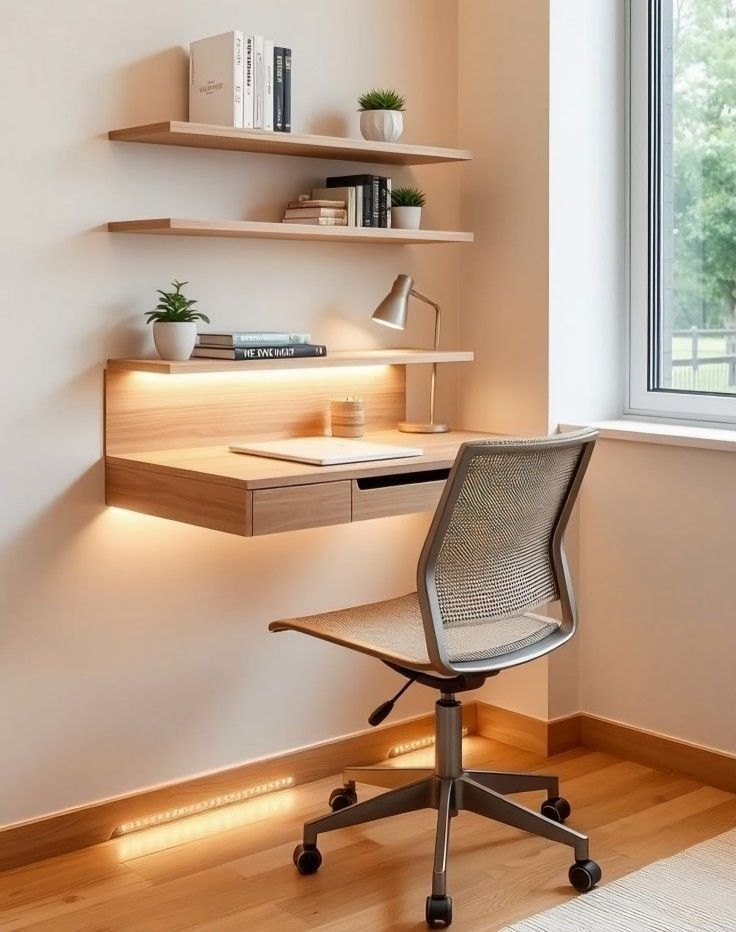
Selecting appropriately scaled furniture makes or breaks a compact workspace. Look for desks between 36-48 inches wide and no more than 24 inches deep—sufficient for a laptop and notebook without dominating the room. Compact writing desks, secretary desks, and wall-mounted options all work well.
Ergonomic chairs designed for small spaces typically feature armless or low-profile designs that slide completely under desks. Consider chairs with adjustable heights and lumbar support that don’t require excessive floor space for reclining mechanisms.
Storage solutions should emphasize vertical organization: stackable boxes, wall-mounted file holders, and narrow bookcases maintain capacity without sprawl. Drawer organizers and desktop caddies prevent small items from creating visual chaos.
How to Stay Productive in a Tiny Home Office
Establishing a daily decluttering routine—spending just five minutes clearing your desk at day’s end—prevents the accumulation that makes small spaces feel suffocating. Implement the “one in, one out” rule for office supplies to maintain equilibrium.
Cable management becomes critical in compact setups where every cord shows. Use cable clips, sleeves, or boxes to corral wires along walls or desk legs, creating cleaner sightlines and preventing tangled messes.
Lighting dramatically impacts how spacious and inviting your micro-office feels. Layer ambient, task, and accent lighting to eliminate shadows and dark corners. Choose light wall colors and add mirrors to reflect light and create the illusion of expanded space.
Common Mistakes to Avoid in Small Home Offices
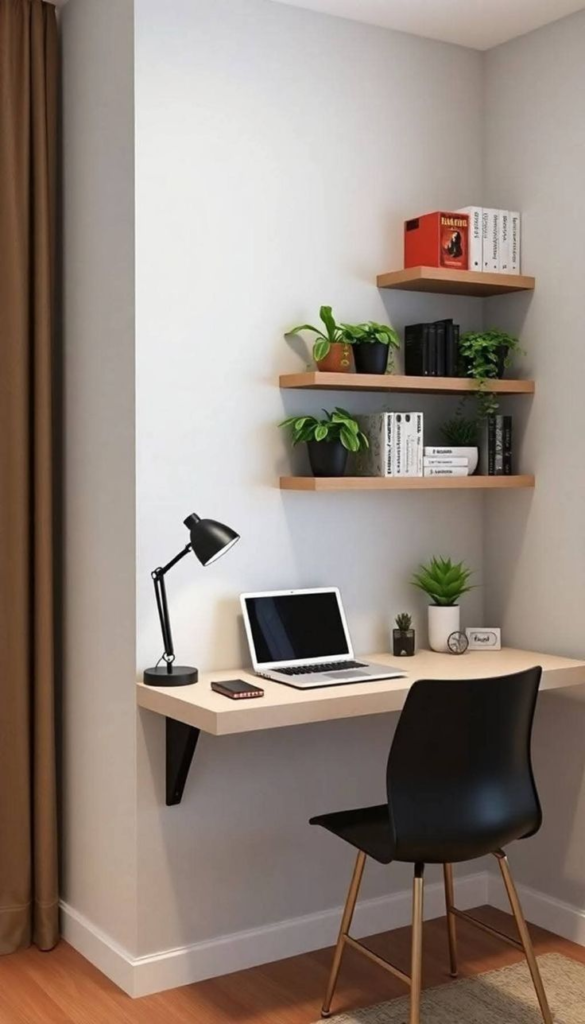
Oversized furniture overwhelms compact spaces and makes them feel claustrophobic. Measure carefully and opt for pieces scaled to your room—a desk that works in a showroom may dwarf your actual space.
Inadequate or harsh lighting creates eye strain and makes spaces feel smaller. Avoid relying solely on overhead fixtures; add desk lamps and natural light sources whenever possible.
Insufficient storage leads to surface clutter that amplifies the confined feeling. Plan storage solutions from the beginning rather than adding them reactively as belongings accumulate.
FAQ – Tiny Home Office Ideas
How do I set up a tiny home office in a small apartment?
Identify underutilized spaces like corners, closets, or alcoves. Start with essential furniture—a compact desk and ergonomic chair—then add vertical storage. Define the workspace boundary with a small rug or room divider if sharing the area with other activities.
What desk is best for a tiny home office?
Wall-mounted or floating desks provide workspace without consuming floor area. For freestanding options, choose desks under 48 inches wide and 24 inches deep. Corner desks maximize awkward spaces, while fold-down models offer flexibility in multi-purpose rooms.
How much space do you need for a home office?
A functional micro-office requires approximately 4×4 feet minimum—enough for a small desk and chair with clearance to move. Even alcoves measuring 3×5 feet can accommodate wall-mounted desks with creative planning.
Can a home office fit in a bedroom or living room?
Absolutely. Use room dividers, bookcases, or curtains to create visual separation. Choose furniture that complements existing decor so the workspace blends harmoniously. Fold-away or hidden desk options maintain the primary function of multi-purpose rooms.
Conclusion
Creating an effective workspace in minimal square footage isn’t just possible—it’s an opportunity to design a focused, intentional environment free from the distractions of larger offices. These tiny home office ideas prove that smart small home office layout planning and creative small office interior design can transform any compact corner into a productivity powerhouse. Start with one strategy that resonates with your space and lifestyle, then refine as you discover what keeps you focused and comfortable throughout your workday. Your productive, personalized micro-office awaits.